Best Lean Protein Options for Effective Muscle Preservation
Discover the best lean protein options for effective muscle preservation. Fuel your fitness journey with high-quality protein choices.
Best Lean Protein Options for Effective Muscle Preservation
In the realm of nutrition, protein stands out as a crucial macronutrient, particularly for individuals aiming to preserve muscle mass. As we navigate through 2026, understanding the best lean protein options can empower you to make informed dietary choices. Whether you're an athlete, a fitness enthusiast, or simply someone looking to maintain a healthy lifestyle, incorporating high protein foods into your daily diet is essential for muscle preservation and overall health.
This article will delve into the best lean protein options, how to effectively incorporate them into your diet, and address common misconceptions surrounding protein intake. With actionable insights and expert knowledge, you will be equipped to optimize your protein consumption for effective muscle preservation.
Understanding Protein and Its Importance
The Role of Protein in Muscle Preservation
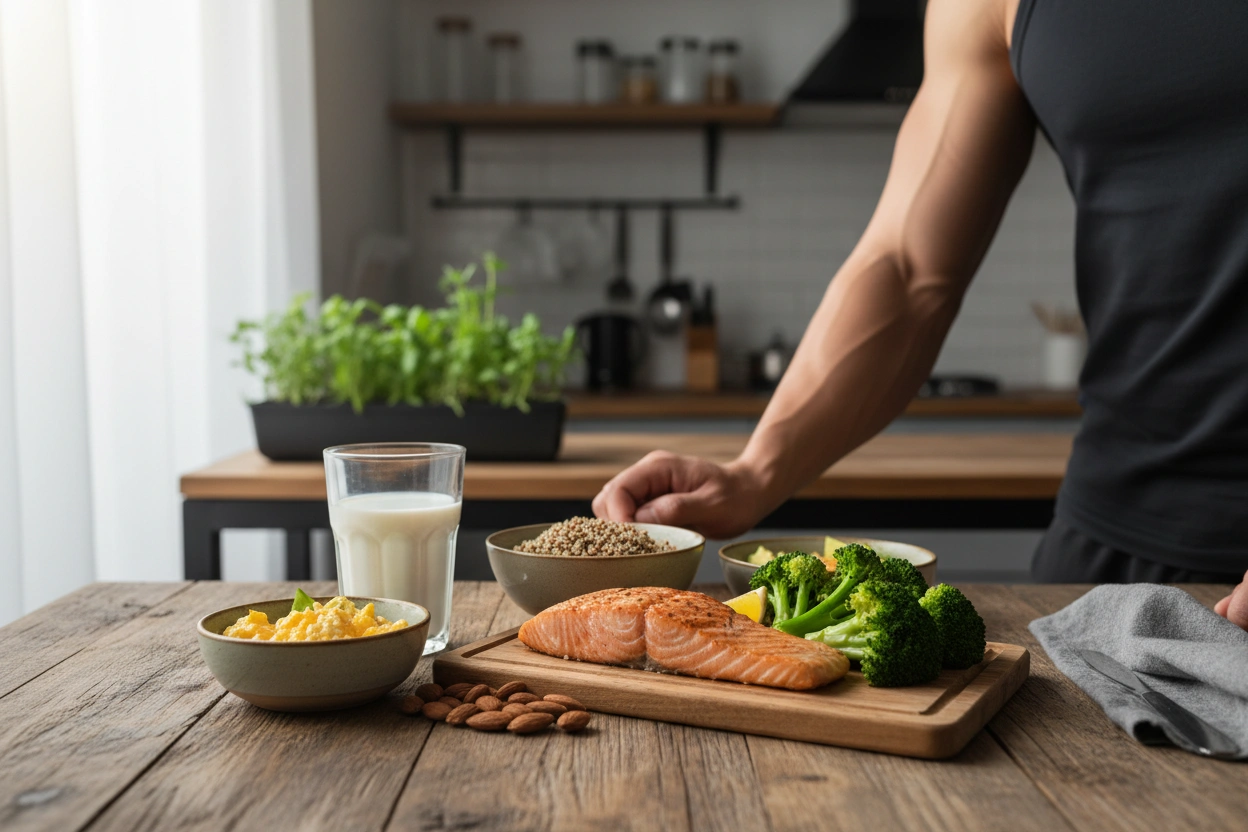
Protein is composed of amino acids, which are the building blocks of muscle tissue. When you engage in physical activity, particularly resistance training, your muscles undergo stress and develop micro-tears. Consuming adequate protein helps repair these tears, leading to muscle growth and recovery. Research indicates that individuals who consume sufficient protein intake not only enhance their muscle mass but also experience improved strength and performance.
Moreover, protein plays a vital role in various bodily functions beyond muscle maintenance. It aids in hormone production, supports immune function, and contributes to the formation of enzymes that facilitate biochemical reactions. Therefore, ensuring an adequate protein intake is critical for both athletic performance and overall health.
Common Misconceptions About Protein
Despite the clear benefits of protein, several misconceptions persist. One prevalent myth is that high protein diets are only necessary for bodybuilders or elite athletes. In reality, individuals of all activity levels can benefit from increased protein intake. Another misconception is that protein consumption must come exclusively from animal sources. There are numerous plant-based high protein foods that can effectively contribute to your protein needs.
Additionally, some people believe that consuming excessive protein can lead to kidney damage. However, for healthy individuals, moderate to high protein intake is generally safe. It is essential to balance your diet and consult with a healthcare professional if you have existing kidney issues.
Best Lean Protein Options
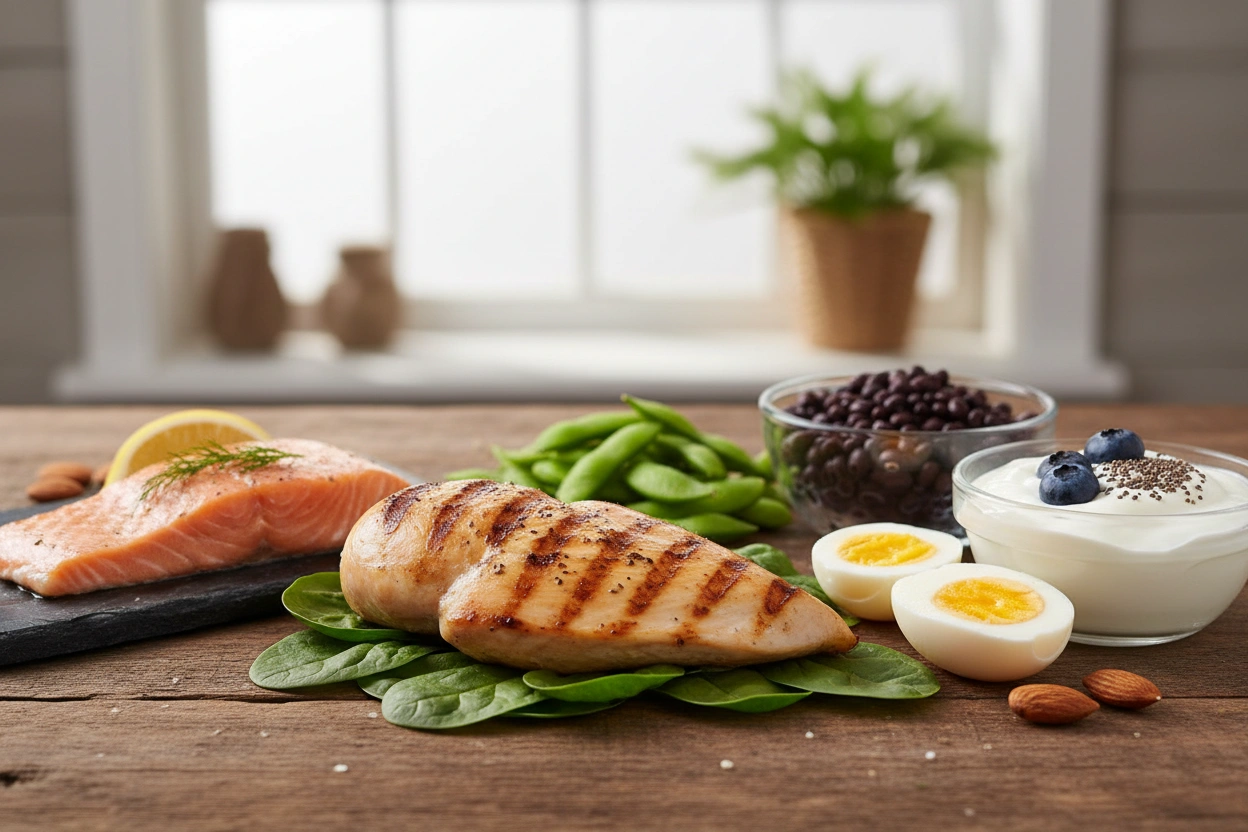
When considering protein sources, lean options are particularly beneficial as they provide high protein content without excessive fat. Here are the top lean protein options to consider:
1. Chicken Breast
Chicken breast is a staple in many diets due to its versatility and high protein content. A single serving of skinless chicken breast contains approximately 31 grams of protein and only 3 grams of fat. This makes it an excellent option for those looking to preserve muscle while managing calorie intake.
- Cooking Tips: Grilling, baking, or poaching chicken breast retains its moisture and flavor without adding unnecessary fats.
- Pairing Suggestions: Combine with vegetables and whole grains for a balanced meal.
2. Turkey
Similar to chicken, turkey is a lean source of protein that is rich in essential nutrients. A 3-ounce serving of turkey breast contains about 25 grams of protein and less than 2 grams of fat. Turkey is also high in B vitamins, which are crucial for energy metabolism.
- Cooking Tips: Use ground turkey in place of beef for a healthier alternative in recipes like chili or tacos.
- Pairing Suggestions: Serve with quinoa and steamed broccoli for a nutrient-dense meal.
3. Fish
Fish, particularly varieties like salmon and tilapia, are not only excellent sources of protein but also provide healthy omega-3 fatty acids, which are beneficial for heart health. A 3-ounce serving of salmon has around 22 grams of protein and provides essential fats that support inflammation reduction.
- Cooking Tips: Baking or grilling fish enhances its flavor while preserving its nutritional value.
- Pairing Suggestions: Serve with a side of brown rice and asparagus for a complete meal.
4. Greek Yogurt
Greek yogurt is a fantastic dairy option that is high in protein and low in sugar. A single cup can contain up to 20 grams of protein, making it an ideal snack or breakfast choice. The probiotics in Greek yogurt also support gut health.
- Serving Suggestions: Top with berries and a sprinkle of nuts for added texture and nutrients.
- Recipe Ideas: Use Greek yogurt as a base for smoothies or salad dressings.
5. Legumes
Legumes, including lentils, chickpeas, and black beans, are excellent plant-based protein sources. A cup of cooked lentils contains about 18 grams of protein and is also rich in fiber, which aids digestion and promotes satiety.
- Cooking Tips: Incorporate legumes into soups, salads, or as a meat substitute in various dishes.
- Pairing Suggestions: Combine with whole grains like brown rice for a complete amino acid profile.
How to Incorporate More Protein into Your Daily Diet
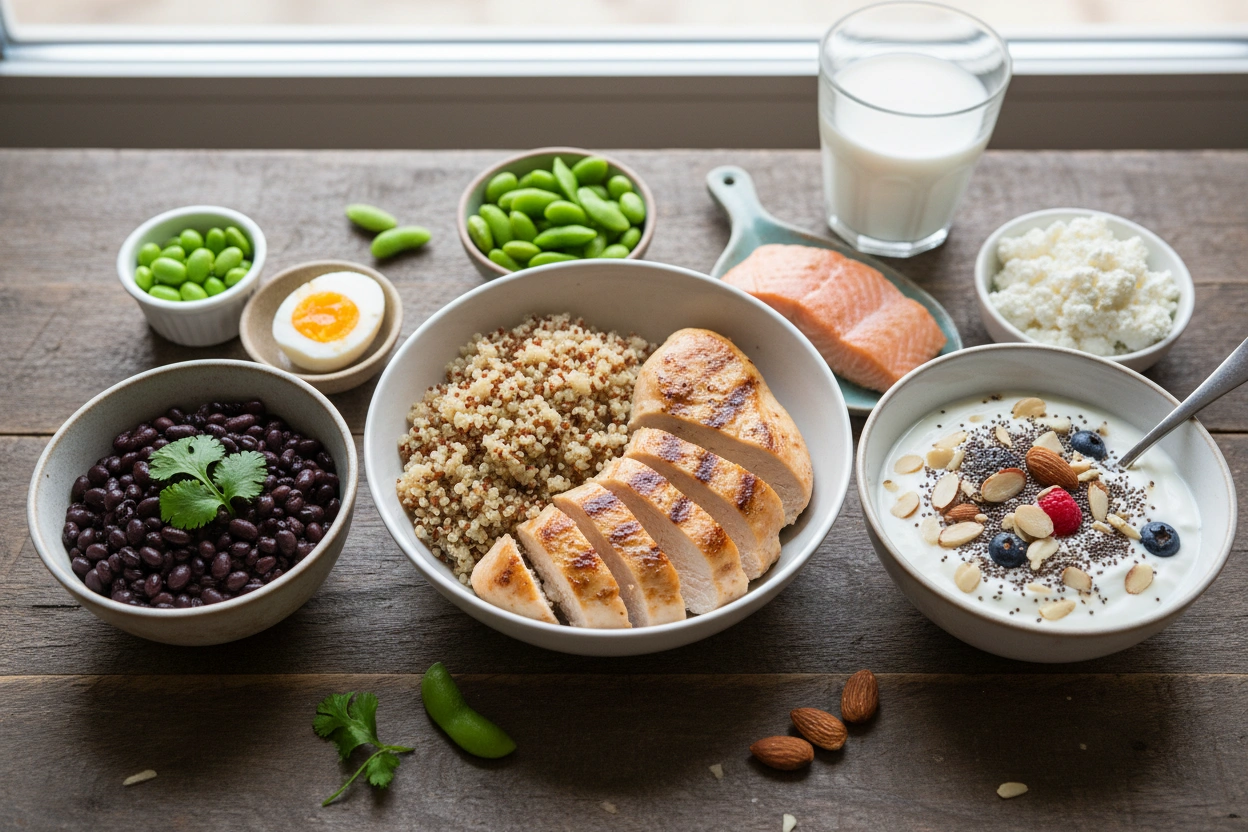
Incorporating more protein into your daily meals doesn't have to be a daunting task. Here are several effective strategies to boost your protein intake:
Meal Planning and Preparation
- Plan Your Meals: Start by planning your meals for the week, focusing on including a protein source in each meal. This will help you make intentional choices rather than relying on convenience foods.
- Prep in Advance: Cook large batches of lean protein options like chicken or turkey and store them in portioned containers for easy access throughout the week.
- Experiment with Recipes: Try new recipes that highlight high protein foods, such as protein-packed smoothies or hearty salads featuring legumes.
Snack Wisely
- Choose protein-rich snacks such as Greek yogurt, cottage cheese, or protein bars to keep your energy levels stable throughout the day.
- Incorporate nuts and seeds into your snacks for a combination of protein and healthy fats.
Utilize Protein Supplements
For those struggling to meet their protein needs through food alone, protein powders can be a convenient option. These supplements can be added to smoothies, oatmeal, or baked goods to increase protein content without significantly altering the flavor.
- Choose high-quality protein powders that are low in added sugars and artificial ingredients.
- Consult with a healthcare professional to determine if protein supplementation is appropriate for your dietary needs.
Stay Informed
Stay updated on current nutrition trends and research regarding protein intake. Understanding the latest findings can help you make informed decisions about your diet and maintain optimal muscle health.
Common Mistakes to Avoid When Increasing Protein Intake
When adjusting your protein intake, there are several pitfalls to be aware of:
- Neglecting Balance: While protein is essential, it is crucial to maintain a balanced diet that includes carbohydrates and fats for overall health.
- Overconsumption: Excessive protein intake can lead to unintended consequences, such as digestive issues or nutrient imbalances. Aim for a moderate intake that suits your lifestyle and activity level.
- Ignoring Plant-Based Options: Many individuals overlook the benefits of plant-based proteins. Incorporating a variety of protein sources can enhance your nutrient profile and provide additional health benefits.
The Role of Protein in Recovery and Performance
Protein Timing and Distribution
Recent research emphasizes the importance of protein timing and distribution throughout the day. Consuming protein-rich meals or snacks at regular intervals can enhance muscle protein synthesis and recovery. Aim to distribute your protein intake evenly across meals rather than consuming a large portion at one time.
Post-Workout Nutrition
After a workout, your muscles are primed for recovery. Consuming a protein-rich meal or snack within 30 to 60 minutes post-exercise can significantly enhance recovery. Combining protein with carbohydrates can help replenish glycogen stores and accelerate muscle repair.
Embracing a Protein-Rich Lifestyle
Incorporating lean protein options into your diet is a journey that requires intention and planning. By understanding the best sources of protein and how to integrate them into your meals, you can effectively preserve muscle and support your overall health.
In 2026, the importance of protein in maintaining a healthy lifestyle remains paramount. Focusing on diverse, high protein foods will not only aid in muscle preservation but also contribute to your overall well-being.
The Intersection of Protein and FlowWell — Finally Feel Good on Your GLP
Understanding the significance of protein in your diet is a vital step toward achieving your health and fitness goals. With a variety of lean protein options available, you have the tools to enhance your muscle preservation efforts effectively. FlowWell — Finally Feel Good on Your GLP is here to support your journey toward optimal health and well-being.
As you explore the best lean protein options and incorporate them into your daily routine, consider how FlowWell — Finally Feel Good on Your GLP can help you achieve your dietary and fitness aspirations.
For more information on how to maximize your protein intake and enhance your overall health, visit FlowWell — Finally Feel Good on Your GLP.