Best Walking Routines for Every Fitness and Weight Loss Goal
Discover effective walking routines tailored for your fitness and weight loss goals. Unlock the benefits of walking in 2026 for a healthier you.
Best Walking Routines for Every Fitness and Weight Loss Goal
Walking is an accessible and effective form of exercise that can significantly contribute to various fitness and weight loss goals. As we navigate the complexities of health and wellness in 2026, understanding how to leverage best walking routines for optimal results is essential. This article will delve into the various aspects of walking, the benefits it offers, and how specific populations, such as Ozempic, Wegovy, and Mounjaro users, can tailor their walking routines for maximum effectiveness.
The Multifaceted Benefits of Walking
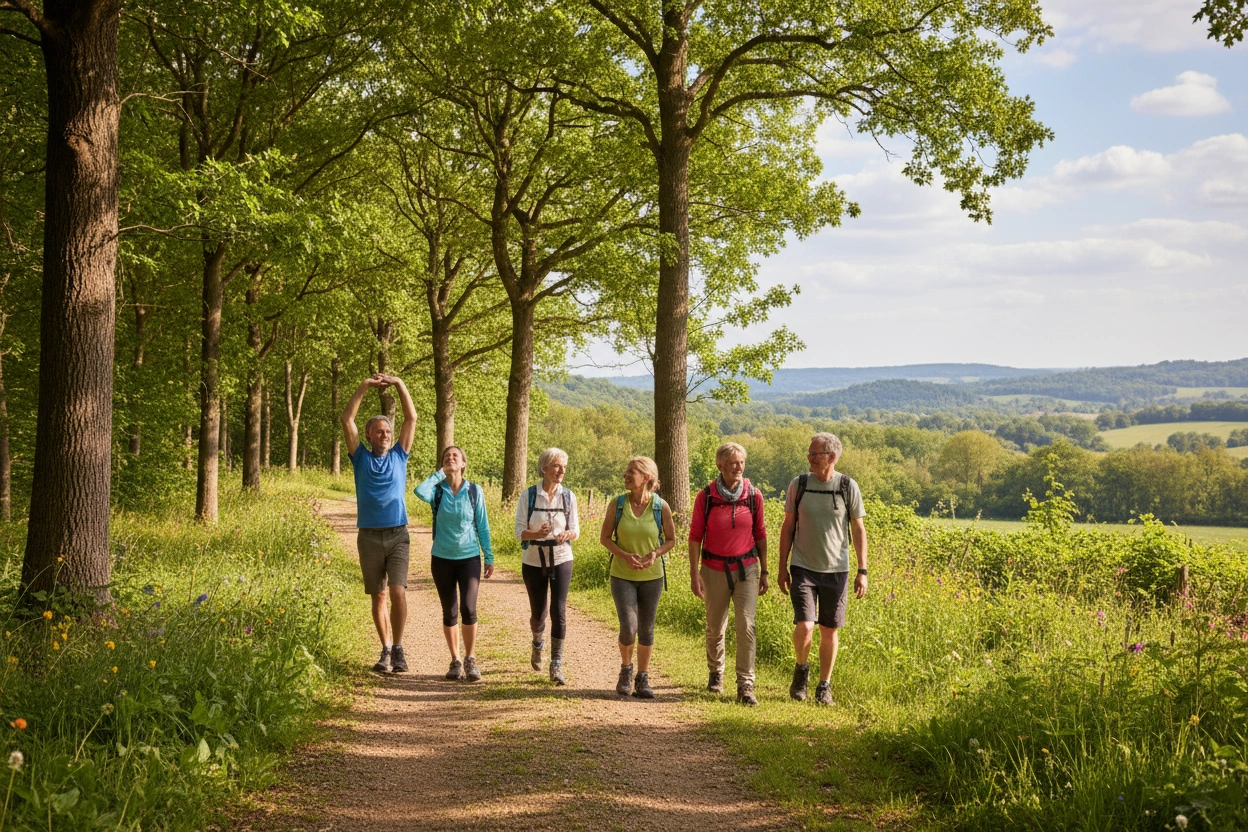
Walking is often underestimated, yet its advantages extend far beyond simple physical activity. Whether you aim to lose weight, improve cardiovascular health, or enhance mental well-being, walking can serve as a foundational element in your fitness journey.
Physical Health Benefits
Engaging in regular walking can lead to numerous physical health improvements, including:
- Weight Management: Walking can help create the calorie deficit needed for weight loss. A brisk walk can burn approximately 300 calories in an hour, depending on your weight and pace.
- Cardiovascular Health: Regular walking strengthens the heart, reducing the risk of cardiovascular diseases. It has been shown to lower blood pressure and improve circulation.
- Muscle Strengthening: Walking helps strengthen various muscle groups, particularly in the legs and core, enhancing overall stability and balance.
Mental Health Benefits
The mental health benefits of walking are equally compelling:
- Stress Reduction: Walking, especially in nature, can significantly reduce stress levels and promote relaxation. It allows for time to reflect and decompress.
- Enhanced Mood: Physical activity, including walking, releases endorphins, which can improve mood and combat feelings of anxiety and depression.
- Cognitive Improvement: Studies indicate that regular walking can enhance cognitive functions, including memory and concentration, making it a beneficial routine for mental clarity.
Common Misconceptions About Walking
Despite its numerous benefits, walking is often dismissed as a less effective form of exercise. Some misconceptions include:
- Walking Isn't a Real Workout: This belief is misguided. Walking can be as effective as more intense workouts, especially when performed consistently and at a brisk pace.
- You Need to Walk Long Distances: Many believe that only long walks yield results. However, short, brisk walks can be just as beneficial if done consistently.
- Walking Alone Won't Help with Weight Loss: While diet plays a crucial role, walking can be a powerful tool in a weight loss strategy, especially when combined with healthy eating habits.
Crafting Your Walking Routine

Creating an effective walking routine requires consideration of your personal fitness goals and current health status. Here are some essential tips to consider:
Setting Realistic Goals
When establishing your walking routine, it is vital to set achievable goals that align with your overall fitness objectives. Consider the following:
- Define Your Purpose: Are you walking for weight loss, improved endurance, or mental health benefits?
- Start Small: If you are new to exercise, begin with shorter walks and gradually increase duration and intensity.
- Track Your Progress: Use apps or pedometers to monitor your steps and progress, which can help keep you motivated.
Choosing the Right Walking Environment
The environment in which you walk can significantly impact your experience. Consider these options:
- Parks and Trails: Natural settings can enhance the walking experience, providing scenic views and fresh air.
- Urban Areas: City walking can be engaging, with various sights and sounds to enjoy.
- Treadmills: For those who prefer indoor walking, treadmills offer a controlled environment and the ability to track distance and pace.
Incorporating Walking into Daily Life
Integrating walking into your daily routine can make it easier to stay consistent. Here are some strategies:
- Walk During Breaks: Utilize breaks at work to take short walks, helping to clear your mind and re-energize.
- Park Further Away: Opt to park further from your destination to increase your walking distance.
- Use Stairs: Choose stairs over elevators whenever possible to add more steps to your day.
Walking Tips for Ozempic, Wegovy, and Mounjaro Users

For individuals using medications like Ozempic, Wegovy, and Mounjaro for weight management, walking can complement these treatments effectively. Here are tailored tips for these users:
Understand Your Body's Response
These medications can affect appetite and energy levels, which may influence how you approach your walking routine:
- Listen to Your Body: Pay attention to how your energy levels fluctuate and adjust your walking duration and intensity accordingly.
- Stay Hydrated: Proper hydration is essential, especially when medications affect your appetite and hydration status.
Combine Walking with Nutritional Strategies
Incorporating walking with a balanced diet can enhance results:
- Focus on Whole Foods: Prioritize fruits, vegetables, lean proteins, and whole grains to support your walking routine.
- Plan Meals Around Walking: Consider timing meals to optimize energy levels for your walks, ensuring you have the fuel needed for exercise.
Set Specific Walking Goals
Establish walking goals that align with your medication regimen:
- Daily Step Count: Aim for a specific number of steps per day, gradually increasing as you become more comfortable.
- Walking Duration: Set a goal for how long you will walk each day, starting with manageable time frames and building up.
Maximizing Your Walking Experience
To truly benefit from walking, consider these advanced strategies:
Vary Your Walking Routine
Introducing variety can keep your walking routine engaging and challenging:
- Interval Walking: Alternate between brisk walking and a slower pace to boost cardiovascular benefits.
- Walking with Weights: Using light hand weights or ankle weights can increase the intensity of your walks without compromising form.
Mindfulness While Walking
Incorporating mindfulness practices into your walks can enhance mental health benefits:
- Focus on Your Surroundings: Take time to notice your environment, which can reduce stress and improve your mood.
- Breath Awareness: Pay attention to your breath as you walk, promoting relaxation and presence in the moment.
Join a Walking Group
Engaging with others can enhance motivation and accountability:
- Find Local Groups: Look for community walking groups or clubs that align with your fitness level.
- Social Walks: Invite friends or family to join you, making walking a social activity.
The Impact of Walking on Weight Loss
Walking can be a powerful ally in achieving weight loss goals. Understanding how it contributes to weight management is crucial.
Caloric Burn and Walking
Walking burns calories, which is essential for weight loss. The number of calories burned can depend on several factors:
- Walking Speed: A brisk pace of around 4 miles per hour can burn significantly more calories compared to a leisurely stroll.
- Duration: Longer walks naturally increase caloric expenditure.
- Body Composition: Individuals with a higher body weight generally burn more calories during the same duration of walking.
Creating a Caloric Deficit
To lose weight effectively, it's important to create a caloric deficit:
- Calculate Your Basal Metabolic Rate (BMR): Understanding your BMR can help you determine how many calories you burn at rest.
- Combine Walking with Dietary Changes: Pair your walking routine with mindful eating to ensure you are consuming fewer calories than you burn.
The Intersection of Walking and Wellness
Walking not only supports physical fitness and weight loss but also promotes overall well-being. With the right approach, anyone can harness the power of walking to improve their health.
make time for wellness — Finally Feel Good on Your GLP recognizes the importance of integrating walking into your wellness routine. By understanding how to effectively incorporate walking into your life, you can achieve your fitness and weight loss goals while enjoying the numerous benefits that this simple yet powerful activity offers.
Your Path to Wellness with FlowWell
Walking can be a transformative practice, aiding in weight loss and enhancing overall health. By following the best practices outlined in this article, you can create a walking routine tailored to your needs. walking for wellness is here to support you in this journey.
For further assistance on integrating walking into your fitness regimen, or to explore more about how our services can enhance your health journey, visit FlowWell — Finally Feel Good on Your GLP today.