Does GLP1 Constipation Go Away Naturally? Key Gut Health Tips
Discover if GLP1 constipation goes away naturally and explore effective gut health tips to manage this common side effect of GLP-1 medications.
Does GLP1 Constipation Go Away Naturally? Key Gut Health Tips
Constipation is a common side effect experienced by individuals using GLP-1 receptor agonists, such as Ozempic. As more people turn to these medications for weight management and diabetes control, understanding the gastrointestinal side effects becomes increasingly important. This article delves into the question: does GLP-1 constipation go away? We will explore practical dietary tips and lifestyle changes that can help alleviate constipation caused by GLP-1 drugs, ensuring you maintain optimal gut health.
Understanding GLP-1 and Its Impact on Gut Health
GLP-1, or glucagon-like peptide-1, is a hormone that plays a crucial role in glucose metabolism and appetite regulation. Medications like Ozempic mimic this hormone to help manage blood sugar levels and promote weight loss. However, one of the frequently reported side effects of GLP-1 medications is constipation.
The Mechanism Behind GLP-1 Induced Constipation
GLP-1 receptor agonists slow gastric emptying, which can lead to increased fullness and decreased appetite. While this mechanism is beneficial for weight loss, it can also hinder normal bowel function. When food moves slowly through the digestive tract, it can lead to hard stools and difficulty in passing them, resulting in constipation.
Common Symptoms of GLP-1 Constipation
Identifying constipation is crucial for managing this side effect effectively. Common symptoms include:
- Infrequent bowel movements (fewer than three times a week)
- Straining during bowel movements
- Hard or lumpy stools
- A feeling of incomplete evacuation
- Abdominal discomfort or bloating
Recognizing these symptoms early can prompt timely interventions, allowing individuals to manage their gut health effectively while on GLP-1 medications.
Does GLP1 Constipation Go Away Naturally?
The persistence of GLP-1 induced constipation varies among individuals. For some, constipation may resolve as the body adjusts to the medication over time. However, for others, it can be a persistent issue that requires active management. dietary changes help GLP1 constipation go away.
Factors Influencing Constipation Duration
Several factors can influence whether GLP-1 constipation will go away naturally:
- Duration of Medication Use: Some individuals may find that their symptoms improve after a few weeks, while others may continue to experience constipation.
- Dietary Habits: The type of diet a person follows can significantly affect bowel regularity. A diet low in fiber may exacerbate symptoms.
- Hydration Levels: Insufficient fluid intake can lead to harder stools and increased difficulty in bowel movements.
- Physical Activity: Regular exercise can stimulate bowel function. A sedentary lifestyle may contribute to prolonged constipation.
Top Dietary Tips to Alleviate Constipation from GLP-1 Drugs
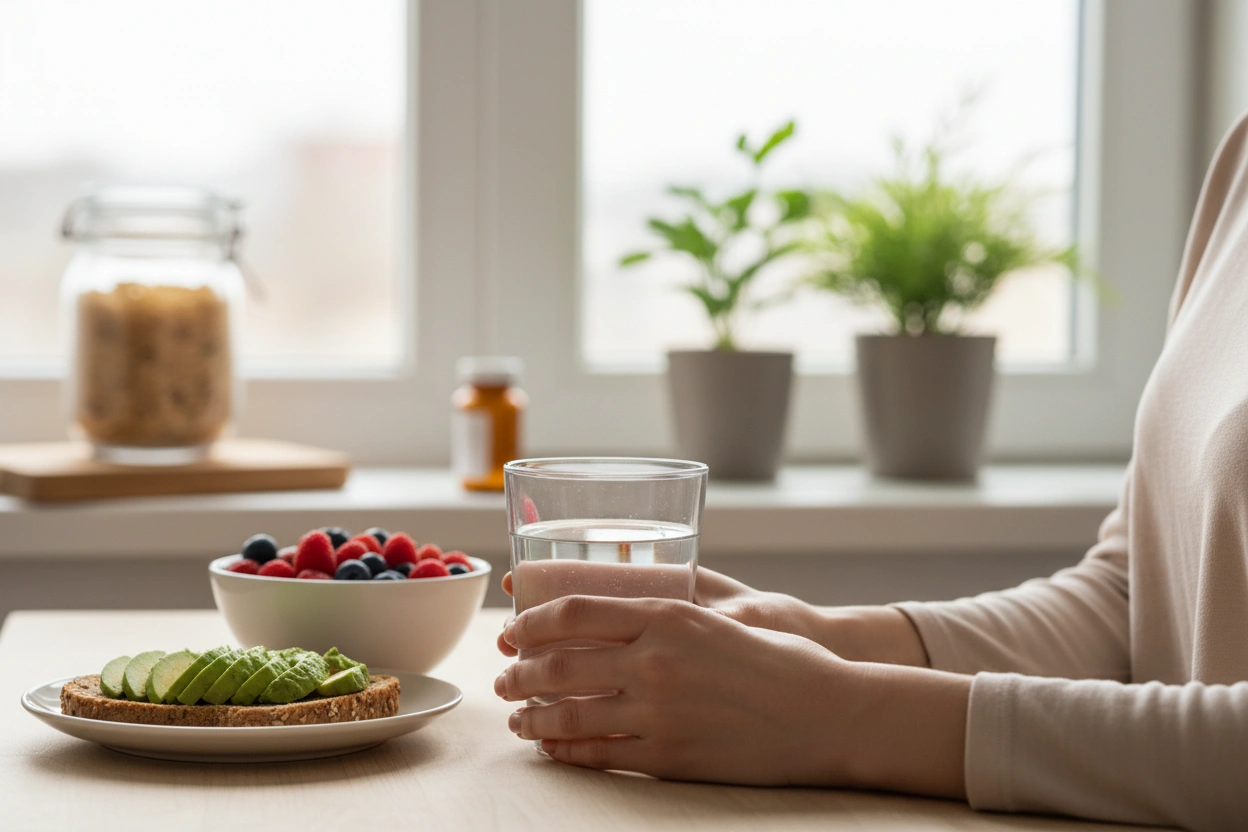
Diet plays a pivotal role in managing constipation, especially for those using GLP-1 medications. Here are several dietary strategies that can help alleviate constipation:
1. Increase Fiber Intake
A diet high in fiber can help soften stools and promote regular bowel movements. Consider incorporating the following fiber-rich foods:
- Fruits such as apples, pears, and berries
- Vegetables like broccoli, carrots, and spinach
- Whole grains, including oats, quinoa, and brown rice
- Legumes such as beans, lentils, and chickpeas
Aim for a gradual increase in fiber intake to avoid gastrointestinal discomfort, and ensure adequate hydration to facilitate fiber's benefits.
2. Stay Hydrated
Proper hydration is crucial for maintaining bowel health. Water helps to soften stools, making them easier to pass. It is generally recommended to drink at least eight 8-ounce glasses of water a day, but this may vary based on individual needs and activity levels. relieve constipation on Ozempic.
3. Incorporate Probiotics
Probiotics are beneficial bacteria that can help regulate gut health and improve bowel function. Foods rich in probiotics include:
- Yogurt
- Kefir
- Sauerkraut
- Kimchi
Incorporating these foods into your diet can help restore a healthy gut flora, which may alleviate constipation. what vitamins should I take on Ozempic.
4. Limit Constipating Foods
Certain foods can exacerbate constipation, especially when consumed in excess. Be mindful of the following:
- Processed foods high in fat and low in fiber
- Dairy products, which can be constipating for some individuals
- Red meat, which can slow digestion
Balancing these foods with fiber-rich options can help mitigate their constipating effects.
5. Regular Meal Timing
Establishing a regular eating schedule can help regulate bowel movements. Consistency can signal the digestive system to function optimally. Consider setting specific times for meals and snacks to promote routine.
Lifestyle Changes to Support Gut Health
In addition to dietary adjustments, several lifestyle changes can support gut health and potentially alleviate GLP-1 induced constipation.
1. Engage in Regular Physical Activity
Exercise stimulates bowel movement and can help reduce constipation. Aim for at least 150 minutes of moderate aerobic activity each week, such as walking, cycling, or swimming. Incorporating strength training exercises can also be beneficial.
2. Establish a Routine for Bowel Movements
Creating a routine can help train your body to have regular bowel movements. Consider setting aside time each day to sit on the toilet, even if you do not feel the immediate urge to go. This can encourage your body to establish a rhythm.
3. Manage Stress
Stress can significantly impact gut health and contribute to constipation. Techniques such as yoga, meditation, and deep breathing exercises can help reduce stress and promote relaxation, which may enhance digestive function.
4. Consult a Healthcare Professional
If constipation persists despite making dietary and lifestyle changes, it is essential to consult a healthcare professional. They can provide tailored advice, recommend appropriate treatments, or adjust your GLP-1 medication if necessary. managing digestive health on Ozempic.
Common Misconceptions About GLP-1 Constipation
There are several misconceptions surrounding GLP-1 induced constipation that can lead to confusion and ineffective management strategies.
Misconception 1: Constipation is Inevitable with GLP-1 Drugs
Many believe that experiencing constipation is an unavoidable side effect of GLP-1 medications. While it is common, it is not universal, and many individuals can manage or prevent it through dietary and lifestyle adjustments.
Misconception 2: Increasing Fiber Intake Alone Will Resolve Constipation
While increasing fiber intake is crucial, it must be accompanied by adequate hydration and regular physical activity for optimal effectiveness. Simply consuming more fiber without these complementary strategies may not yield the desired results.
Misconception 3: All Probiotics are the Same
Not all probiotics have the same effects on gut health. Different strains can target various issues, and not every probiotic will alleviate constipation. It is essential to choose probiotics that have been shown to improve bowel regularity.
The Intersection of GLP-1 Medications and Gut Health
Understanding how GLP-1 medications impact gut health and the associated side effects, such as constipation, is crucial for individuals managing diabetes or seeking weight loss. By implementing dietary changes, lifestyle modifications, and addressing common misconceptions, individuals can navigate these challenges more effectively.
FlowWell — Finally Feel Good on Your GLP
In conclusion, while GLP-1 constipation can be a challenging side effect, it is manageable through proactive dietary and lifestyle changes. By increasing fiber intake, staying hydrated, incorporating probiotics, and maintaining a regular exercise routine, many individuals can find relief from constipation. If you are struggling with these symptoms, remember that you are not alone, and effective strategies are available.
For further assistance in managing your gut health while on GLP-1 medications, visit FlowWell — Finally Feel Good on Your GLP. Our resources are designed to support you in achieving optimal wellness and comfort. Contact FlowWell — Finally Feel Good on Your GLP today to learn more about how we can help you navigate your health journey effectively.