Does GLP1 Constipation Go Away Naturally? What to Expect
Discover if GLP1 constipation goes away naturally and learn about its effects on digestion and strategies for relief.
Does GLP1 Constipation Go Away Naturally? What to Expect
Constipation can be an uncomfortable and distressing side effect for those taking GLP-1 receptor agonists. These medications, designed to assist with weight loss and glycemic control, can alter gastrointestinal motility, leading to varying degrees of constipation. As we explore the question, "Does GLP1 constipation go away?" it is essential to understand how these medications impact digestion and what strategies may help alleviate this side effect.
Understanding GLP-1 Medications: How They Affect Digestion
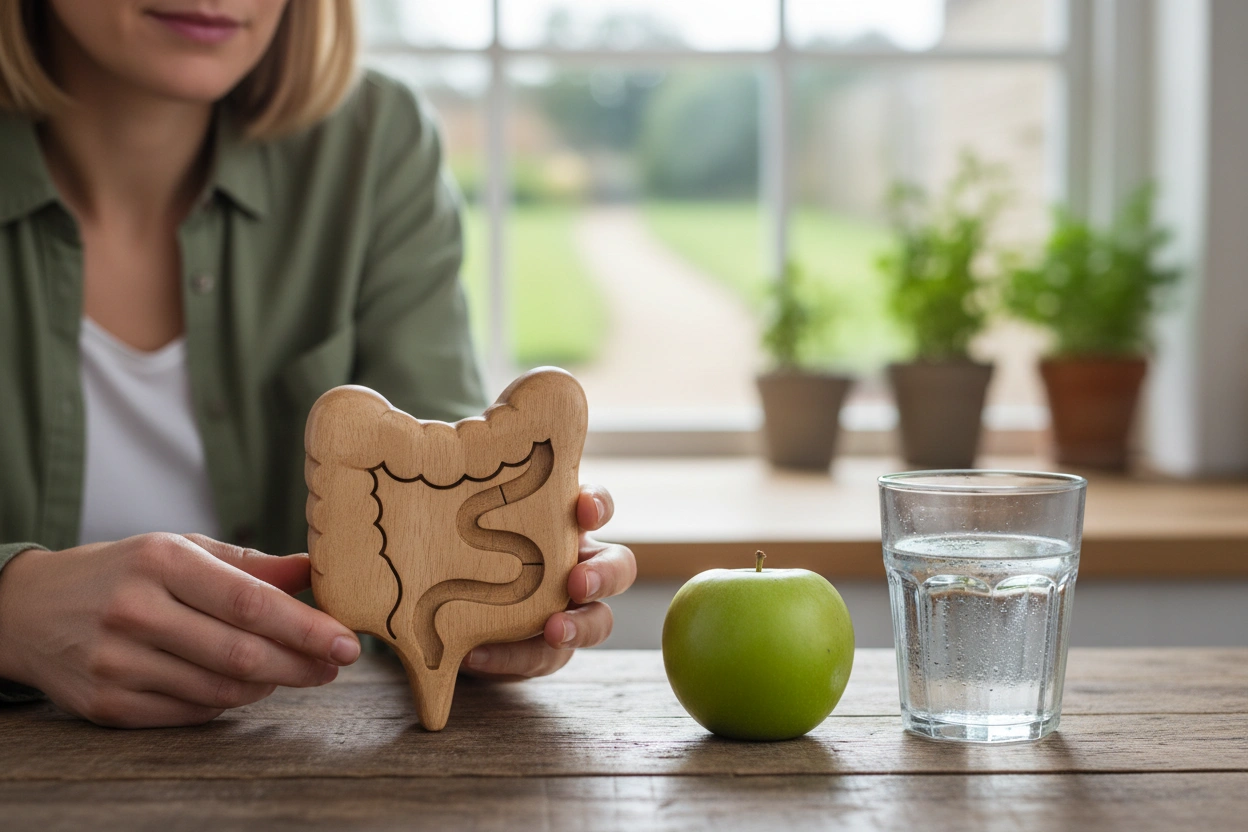
GLP-1 receptor agonists, such as semaglutide and liraglutide, mimic the action of the glucagon-like peptide-1 hormone. They play a crucial role in glucose metabolism, appetite regulation, and digestive processes. By slowing gastric emptying, these medications can help individuals feel fuller longer, which is beneficial for weight loss. However, this slowing can also lead to constipation in some patients.
The Mechanism of Action
- Delayed Gastric Emptying: GLP-1 medications slow the movement of food from the stomach to the intestines. This delay can lead to feelings of fullness but may also contribute to constipation.
- Increased Intestinal Absorption: While these medications are designed to enhance insulin secretion and decrease glucagon levels, they can also lead to increased water absorption in the intestines, resulting in harder stools.
- Hormonal Influence: GLP-1 impacts various hormones in the body, including those that regulate bowel movements. Alterations in these hormones can disrupt normal digestive patterns, contributing to constipation.
Common Symptoms of GLP-1 Induced Constipation
Patients taking GLP-1 receptor agonists may experience a range of gastrointestinal symptoms, including:
- Infrequent bowel movements (less than three times a week)
- Hard, dry stools
- Straining during bowel movements
- Abdominal discomfort or bloating
- A sensation of incomplete evacuation
Understanding these symptoms is the first step in addressing the issue effectively.
Does GLP1 Constipation Go Away? What to Expect

For many individuals, the constipation associated with GLP-1 receptor agonists may improve over time as the body adjusts to the medication. However, not everyone will experience relief, and some may require additional strategies to manage this side effect effectively.
Timeline for Improvement
- Initial Adjustment Period: During the first few weeks of starting a GLP-1 medication, constipation may be more pronounced as the body adapts to the medication's effects. This period can last from a few days to several weeks.
- Potential for Resolution: For many patients, constipation may gradually diminish after the initial adjustment phase. However, for others, it may persist and require intervention.
- Long-Term Management: Some individuals may find that constipation persists even after long-term use of GLP-1 receptor agonists. In such cases, it is essential to consult healthcare providers for tailored strategies.
Factors Influencing Constipation Resolution
Several factors can influence whether GLP-1 induced constipation resolves naturally:
- Dietary Habits: A diet low in fiber can exacerbate constipation. Increasing fiber intake through fruits, vegetables, and whole grains may facilitate more regular bowel movements.
- Hydration: Staying adequately hydrated is crucial for digestive health. Insufficient fluid intake can lead to harder stools and increased difficulty in passing them.
- Physical Activity: Regular exercise can promote intestinal motility. Incorporating physical activity into your daily routine may help alleviate constipation.
Practical Strategies for Managing GLP-1 Induced Constipation

While some individuals may find that their constipation improves naturally, others might need to take proactive steps to manage this side effect. Here are several strategies that can help alleviate GLP-1 induced constipation.
Dietary Modifications
- Increase Fiber Intake: Aim for a diet rich in soluble and insoluble fiber. Foods such as beans, lentils, oats, and whole grains can help regulate bowel movements.
- Stay Hydrated: Drinking plenty of water is essential for softening stools. Aim for at least eight 8-ounce glasses of water daily.
- Limit Processed Foods: Processed foods often lack fiber and can contribute to constipation. Focus on whole, unprocessed foods for optimal digestive health.
Lifestyle Changes
- Incorporate Regular Exercise: Aim for at least 30 minutes of moderate exercise most days of the week. Activities like walking, swimming, or cycling can stimulate bowel function.
- Establish a Routine: Try to have bowel movements at the same time each day, which can help train your body and promote regularity.
- Mindful Eating: Eating slowly and chewing food thoroughly can aid digestion and may help prevent constipation.
Medical Interventions
If dietary and lifestyle changes do not alleviate constipation, several medical interventions may be considered:
- Over-the-Counter Laxatives: Mild laxatives, such as polyethylene glycol, can provide temporary relief. However, consult with a healthcare provider before starting any medication.
- Prescription Medications: In some cases, a healthcare provider may recommend medications specifically designed to treat constipation.
- Adjusting GLP-1 Dosage: If constipation becomes severe, it may be worth discussing with a healthcare provider the possibility of adjusting the dosage or switching medications.
Common Misconceptions about GLP-1 Constipation
Understanding the nuances of GLP-1 induced constipation can help dispel common misconceptions that may hinder effective management. Here are a few prevalent myths:
Myth 1: Constipation is Inevitable with GLP-1 Medications
While constipation is a common side effect, it is not guaranteed for every individual. Many patients manage to avoid significant gastrointestinal issues through lifestyle modifications and dietary adjustments.
Myth 2: All Laxatives Are Safe Long-Term
Not all laxatives are suitable for long-term use. Some can lead to dependency or worsen constipation if used excessively. Always consult with a healthcare provider for guidance on safe and effective options.
Myth 3: Increasing Fiber Alone Will Solve the Problem
While increasing fiber is essential, it must be coupled with adequate hydration and physical activity for effective constipation relief. Focusing solely on fiber without addressing other factors may not yield desired results.
The Importance of Communication with Healthcare Providers
Open communication with healthcare providers is crucial for managing GLP-1 induced constipation effectively. Patients should feel empowered to discuss their symptoms, concerns, and any strategies they have tried. This dialogue can lead to tailored treatment plans and support that address individual needs.
When to Seek Help
- If constipation persists for more than a few weeks despite dietary and lifestyle changes
- If experiencing severe abdominal pain or bloating
- If there are changes in bowel habits that are concerning
The Role of Wegovy Constipation Relief
Wegovy, a specific GLP-1 receptor agonist, has gained attention for its effectiveness in weight management. However, many patients report constipation as a side effect. Understanding how Wegovy impacts digestion and exploring available constipation relief options can help patients navigate this challenge more effectively.
Exploring Wegovy and Constipation
- Understanding the Side Effects: As with other GLP-1 medications, Wegovy may slow gastric emptying, leading to constipation. Awareness of this potential side effect can help patients prepare and manage it proactively.
- Strategies for Relief: Patients using Wegovy can employ similar strategies as those taking other GLP-1 medications, including dietary changes, increased hydration, and regular physical activity.
The Intersection of Managing GLP-1 Induced Constipation and Overall Wellness
Managing GLP-1 induced constipation is not just about alleviating discomfort; it is also about ensuring overall wellness. Patients are encouraged to adopt a holistic approach that encompasses dietary, lifestyle, and medical interventions for optimal digestive health.
- Holistic Health Practices: Incorporating mindfulness, stress management, and adequate sleep can contribute to overall well-being and positively affect digestive health.
- Regular Check-Ups: Routine follow-ups with healthcare providers can ensure ongoing support and adaptation of strategies as needed.
FlowWell — Finally Feel Good on Your GLP
Understanding whether GLP1 constipation goes away naturally is a critical aspect of managing your health journey while using GLP-1 receptor agonists. Through dietary modifications, lifestyle changes, and open communication with healthcare providers, many individuals can successfully alleviate constipation and improve their overall well-being.
FlowWell — Finally Feel Good on Your GLP is dedicated to helping you navigate these challenges with practical solutions and support. By applying the insights shared in this article, you can take personalized guidance and support toward managing GLP-1 induced constipation effectively.