Fiber-Rich Foods That Boost Digestive Health During Weight Loss
Discover how fiber-rich foods enhance digestive health during weight loss. Learn the best options to support your journey in 2026.
Fiber-Rich Foods That Boost Digestive Health During Weight Loss
Maintaining digestive health is crucial, especially during weight loss journeys. As individuals strive to shed pounds, they often overlook the importance of fiber-rich foods that not only assist in weight management but also promote a healthy digestive system. In 2026, the significance of understanding the relationship between dietary choices and digestive health is more pertinent than ever, especially with the rise of weight loss medications such as Ozempic and Wegovy, which may come with digestive side effects. This article will delve into fiber-rich foods that enhance digestive health and strategies to manage the digestive side effects associated with these medications.
Understanding Digestive Health

Digestive health encompasses the well-being of the digestive tract, which plays a vital role in nutrient absorption and waste elimination. A healthy digestive system contributes to overall well-being, influencing everything from energy levels to immune function. Conversely, poor digestive health can lead to discomfort, bloating, constipation, and even impact mental health.
The role of fiber in digestive health cannot be overstated. Fiber, found in plant-based foods, is essential for maintaining regular bowel movements, preventing constipation, and supporting a healthy gut microbiome. There are two main types of dietary fiber: soluble and insoluble. Soluble fiber dissolves in water and can help lower blood cholesterol and glucose levels, while insoluble fiber adds bulk to the stool and aids in moving food through the digestive tract.
The Importance of Fiber During Weight Loss
Incorporating fiber-rich foods into a weight loss diet is beneficial for several reasons:
- Satiety: High-fiber foods tend to be more filling, which can help reduce overall calorie intake.
- Regulation of Blood Sugar: Fiber helps slow the absorption of sugar, preventing spikes in blood sugar levels.
- Gut Health: A fiber-rich diet supports the growth of beneficial gut bacteria, enhancing digestive health.
Understanding these benefits can help individuals make informed dietary choices that align with their weight loss goals while promoting digestive health.
Top Fiber-Rich Foods to Incorporate
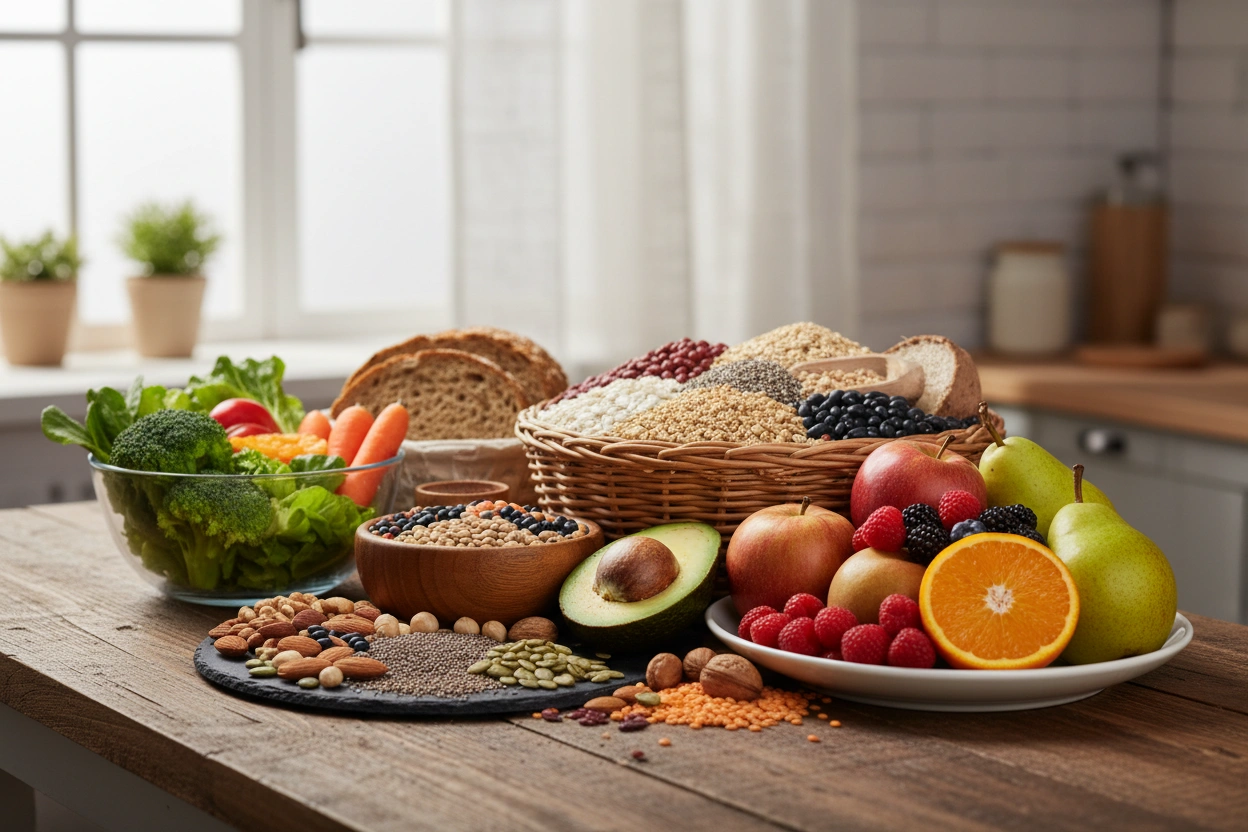
To bolster digestive health during weight loss, consider incorporating the following fiber-rich foods into your diet:
- Legumes: Beans, lentils, and peas are packed with both soluble and insoluble fiber. They are versatile and can be added to salads, soups, and stews.
- Whole Grains: Foods such as quinoa, brown rice, and whole wheat products provide substantial amounts of fiber. They are excellent for breakfast options or as side dishes.
- Fruits: Berries, apples, and pears are not only delicious but also high in fiber. They make for great snacks or additions to smoothies.
- Vegetables: Broccoli, carrots, and Brussels sprouts are fiber-rich vegetables that can be consumed raw or cooked.
- Nuts and Seeds: Almonds, chia seeds, and flaxseeds are nutrient-dense and can be sprinkled on salads or added to smoothies for an extra fiber boost.
Incorporating these foods into your daily meals can significantly enhance your fiber intake, supporting both weight loss and digestive health.
Addressing Ozempic Digestive Side Effects
While medications like Ozempic and Wegovy can aid in weight loss, they may also come with digestive side effects such as nausea, constipation, or diarrhea. Understanding these side effects is essential for managing them effectively.
Common Side Effects of Ozempic and Wegovy
- Nausea: Many users report feelings of nausea, particularly when starting the medication or increasing dosage.
- Constipation: Changes in bowel habits, including constipation, are common as the body adjusts to the medication.
- Diarrhea: Some individuals experience diarrhea, particularly when their diet is not high in fiber.
Strategies to Manage Digestive Side Effects
Managing these digestive side effects effectively is crucial for maintaining overall digestive health. Here are several strategies to consider:
- Gradually Increase Fiber Intake: Sudden increases in fiber can exacerbate digestive issues. Slowly incorporate fiber-rich foods to allow the digestive system to adjust.
- Stay Hydrated: Adequate hydration is essential when increasing fiber intake. Drinking plenty of water can help prevent constipation and support digestive health.
- Regular Physical Activity: Engaging in regular physical activity can stimulate digestion and help alleviate some side effects associated with weight loss medications.
- Monitor Food Choices: Keeping a food diary can help identify which foods may trigger digestive discomfort and allow for adjustments in the diet.
Common Misconceptions About Fiber and Weight Loss
Many misconceptions surround the role of fiber in weight loss and digestive health. Understanding the truths behind these myths can lead to better dietary choices.
Misconception 1: All Fiber is Created Equal
Not all fiber sources provide the same benefits. Soluble fiber, found in foods like oats and beans, can help lower cholesterol and regulate blood sugar levels, while insoluble fiber, found in whole grains and vegetables, promotes regularity. A balanced intake of both types is crucial for optimal digestive health.
Misconception 2: Fiber Alone Will Result in Weight Loss
While fiber is an essential component of a weight loss diet, it must be combined with a balanced approach that includes a variety of nutrients. Relying solely on fiber without considering overall dietary habits may lead to inadequate nutrition.
Misconception 3: Increasing Fiber Intake Will Immediately Improve Digestive Health
A sudden increase in fiber can lead to digestive discomfort, including gas and bloating. It is important to gradually incorporate fiber into the diet and ensure adequate hydration to promote digestive health effectively.
The Role of Probiotics in Digestive Health

In addition to fiber, role of probiotics play a significant role in maintaining digestive health. Probiotics are live microorganisms that provide health benefits when consumed in adequate amounts. They can help balance gut bacteria, improve digestion, and enhance immune function.
Foods Rich in Probiotics
Incorporating probiotic-rich foods into your diet can complement the benefits of fiber. Consider adding these foods to your meals:
- Yogurt: A classic source of probiotics, yogurt can be consumed alone or added to smoothies and desserts.
- Kefir: This fermented dairy product is rich in probiotics and can be consumed as a drink or added to recipes.
- Sauerkraut and Kimchi: Fermented vegetables like sauerkraut and kimchi are excellent sources of probiotics and can add flavor to various dishes.
- Miso: A fermented soybean paste commonly used in Japanese cuisine, miso can be added to soups and marinades.
Incorporating these probiotic-rich foods alongside fiber can create a balanced approach to enhancing digestive health.
Conclusion: Embracing Digestive Health with FlowWell
Digestive health is a cornerstone of overall well-being, particularly during weight loss journeys. By prioritizing fiber-rich foods and understanding how to manage potential digestive side effects associated with medications like Ozempic and Wegovy, individuals can make informed dietary choices that support their health goals.
Integrating a balanced diet rich in fiber and probiotics is vital for maintaining digestive health. FlowWell — Finally Feel Good on Your GLP offers resources and support to help you navigate your weight loss journey while prioritizing digestive health.
For more information on how to enhance your digestive health and wellness, visit FlowWell — Finally Feel Good on Your GLP and discover how we can assist you in achieving your health goals.
Managing GLP-1 side effects? Our articles can help.
Evidence-based articles written for real patients — covering constipation relief, fiber intake, medication adherence, and more.