Fiber-Rich Solutions for How to Stop GLP1 Constipation Fast
Discover effective fiber-rich solutions on how to stop GLP-1 constipation fast and improve your quality of life while on GLP-1 medications.
Fiber-Rich Solutions for How to Stop GLP-1 Constipation Fast
Constipation is a common side effect of GLP-1 medications, which are increasingly prescribed for weight management and type 2 diabetes. While these medications have proven benefits, they often come with gastrointestinal side effects, including constipation. Understanding how to stop GLP-1 constipation is crucial for maintaining quality of life and ensuring adherence to prescribed treatments. In this article, we will explore effective dietary strategies, lifestyle changes, and practical tips to alleviate GLP-1 induced constipation.
Understanding GLP-1 Medications and Their Side Effects
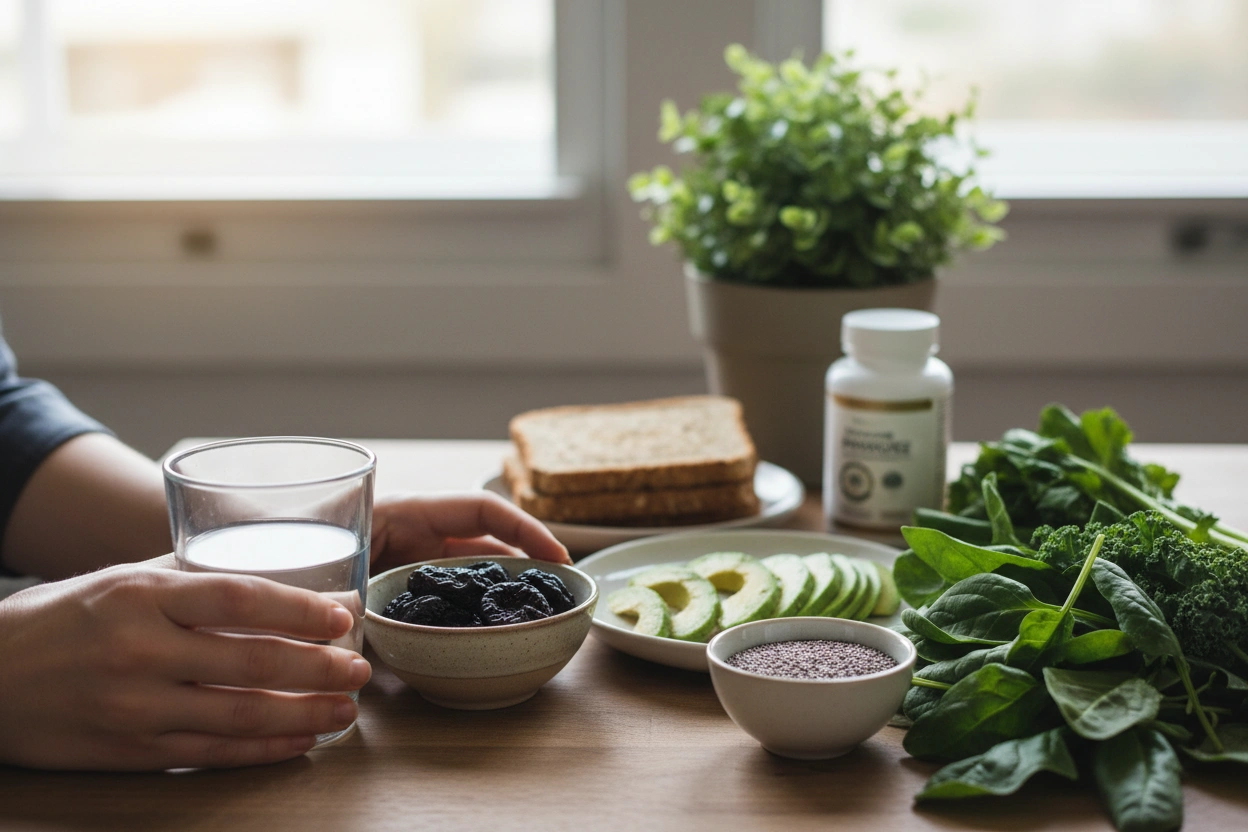
What are GLP-1 Medications?
Glucagon-like peptide-1 (GLP-1) medications are a class of drugs designed to mimic the effects of the hormone GLP-1, which is involved in glucose metabolism and appetite regulation. Common examples include semaglutide and liraglutide. These medications can significantly aid in weight loss and glycemic control, but they also come with a range of side effects, particularly gastrointestinal issues.
Common Side Effects of GLP-1 Medications
While GLP-1 medications are effective, they can lead to several side effects, including:
- Nausea
- Vomiting
- Diarrhea
- Constipation
Among these, constipation can be particularly troublesome, affecting daily comfort and overall well-being. Understanding how to stop GLP-1 constipation is essential for those experiencing this side effect.
Top Dietary Tips to Alleviate GLP-1 Induced Constipation
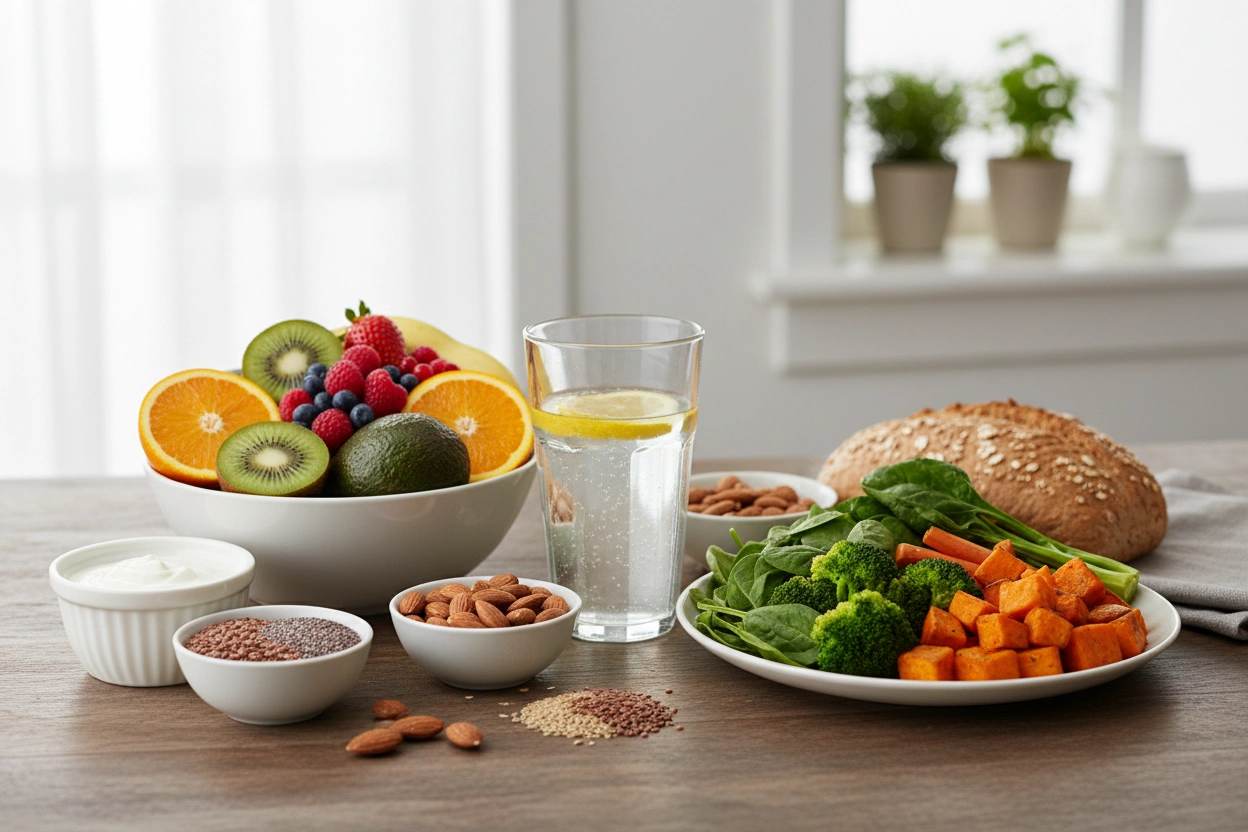
Diet plays a crucial role in managing constipation associated with GLP-1 medications. Here are several dietary strategies to consider:
1. Increase Fiber Intake
A high-fiber diet is one of the most effective ways to combat constipation. Fiber adds bulk to the stool and helps it pass more easily through the digestive tract. Incorporating both soluble and insoluble fibers can yield the best results.
- Soluble Fiber: Found in oats, beans, lentils, and fruits like apples and citrus, soluble fiber dissolves in water to form a gel-like substance, which can help soften stools.
- Insoluble Fiber: Found in whole grains, nuts, and vegetables such as carrots and cucumbers, insoluble fiber adds bulk to the stool and promotes movement through the intestines.
2. Stay Hydrated
Hydration is vital when increasing fiber intake. Water helps dissolve soluble fiber, making it easier for the body to process. Aim for at least 8-10 cups of water daily, and consider increasing this amount if you consume a high-fiber diet.
3. Eat Regularly Scheduled Meals
Establishing a routine can help regulate bowel movements. Eating at the same times each day encourages the digestive system to function optimally. Consider the following tips:
- Have three main meals daily, with healthy snacks in between.
- Avoid skipping meals, as this can disrupt digestive rhythm.
4. Include Probiotic-Rich Foods
Probiotics are beneficial bacteria that can help regulate digestion and improve gut health. Incorporating probiotic-rich foods into your diet may help alleviate constipation. Some excellent sources include:
- Yogurt
- Kefir
- Sauerkraut
- Kimchi
5. Limit Processed Foods
Processed foods often lack fiber and can contribute to constipation. Reducing intake of refined grains, sugary snacks, and fast food can help improve digestive health. Instead, focus on whole, minimally processed foods.
Lifestyle Changes to Combat Constipation

In addition to dietary adjustments, certain lifestyle changes can help alleviate GLP-1 induced constipation.
1. Regular Physical Activity
Engaging in regular physical activity can stimulate digestion and promote regular bowel movements. Aim for at least 30 minutes of moderate exercise most days of the week. Activities such as walking, jogging, swimming, or yoga can be particularly beneficial.
2. Establish a Bathroom Routine
Creating a consistent routine for bathroom visits can help train your body to have regular bowel movements. Consider the following strategies:
- Set aside time each day for a bowel movement, ideally after meals when the digestive system is most active.
- Avoid rushing; give yourself enough time to relax and allow your body to respond naturally.
3. Manage Stress
Stress can significantly impact digestion. Incorporating stress management techniques such as meditation, deep breathing exercises, or mindfulness can help improve gut health and alleviate constipation.
Common Mistakes to Avoid When Managing Constipation
Understanding common pitfalls can further enhance your efforts to stop GLP-1 constipation.
1. Ignoring Fiber Gradually
When increasing fiber intake, it's essential to do so gradually. A sudden spike in fiber can lead to bloating and gas. Instead, add fiber-rich foods slowly and allow your body time to adjust.
2. Neglecting Hydration
Failing to drink enough water while increasing fiber intake can worsen constipation. Always remember to pair fiber with adequate hydration.
3. Over-Reliance on Laxatives
While laxatives can provide immediate relief, they should not be a long-term solution. Overuse can lead to dependency and further digestive issues. Focus instead on natural dietary and lifestyle changes.
The Role of Supplements in Alleviating Constipation
For some individuals, dietary changes alone may not suffice. In such cases, certain supplements may offer additional support.
1. Fiber Supplements
If dietary fiber is insufficient, consider fiber supplements such as psyllium husk or methylcellulose. These can help increase stool bulk and improve bowel regularity.
2. Probiotic Supplements
Probiotic supplements can also be beneficial, particularly if dietary sources are lacking. Look for high-quality formulations with diverse strains of bacteria for optimal gut health.
The Intersection of Dietary Choices and GLP-1 Medication Effects
Incorporating fiber-rich solutions into your diet is essential for managing GLP-1 constipation effectively. By understanding the dietary components that contribute to digestive health, individuals can mitigate the uncomfortable side effects of GLP-1 medications.
Making informed dietary choices can empower individuals to maintain their treatment regimens while minimizing discomfort. Emphasizing hydration, fiber, and regular physical activity creates a holistic approach to managing constipation.
Embrace a Healthier Digestive Journey with FlowWell
As you learn how to stop GLP-1 constipation, consider integrating FlowWell — Finally Feel Good on Your GLP into your routine. This resource is designed to help individuals understand and manage GLP-1 medication side effects effectively.
Incorporating these fiber-rich solutions not only addresses constipation but also supports overall digestive health. With the right dietary adjustments and lifestyle changes, you can enhance your well-being and continue to benefit from your GLP-1 therapy.
Take the first step toward a healthier digestive journey. Visit SoWell today for more resources and support.