GLP-1 vs. GLP-2: Exploring Their Unique Roles in Digestive Health
Discover the difference between GLP-1 and GLP-2 and their unique roles in digestive health, weight management, and metabolic function.
GLP-1 vs. GLP-2: Exploring Their Unique Roles in Digestive Health
Understanding the intricate roles of hormones in our body can be pivotal for maintaining optimal health, especially when it comes to digestion and metabolism. Among these hormones, GLP-1 (Glucagon-Like Peptide-1) and GLP-2 (Glucagon-Like Peptide-2) are two critical players that have garnered attention in recent years. Each has unique functions that significantly impact digestive health, weight management, and metabolic processes. the difference between GLP-1 and GLP-2 is not just academic; it has real implications for understanding how we can better manage our health.
This article delves into the distinct roles of GLP-1 and GLP-2, examining their effects on weight loss, metabolism, and overall digestive health. By exploring the nuanced differences between these two hormones, we aim to provide valuable insights that can inform your health decisions.
Understanding GLP-1 and GLP-2
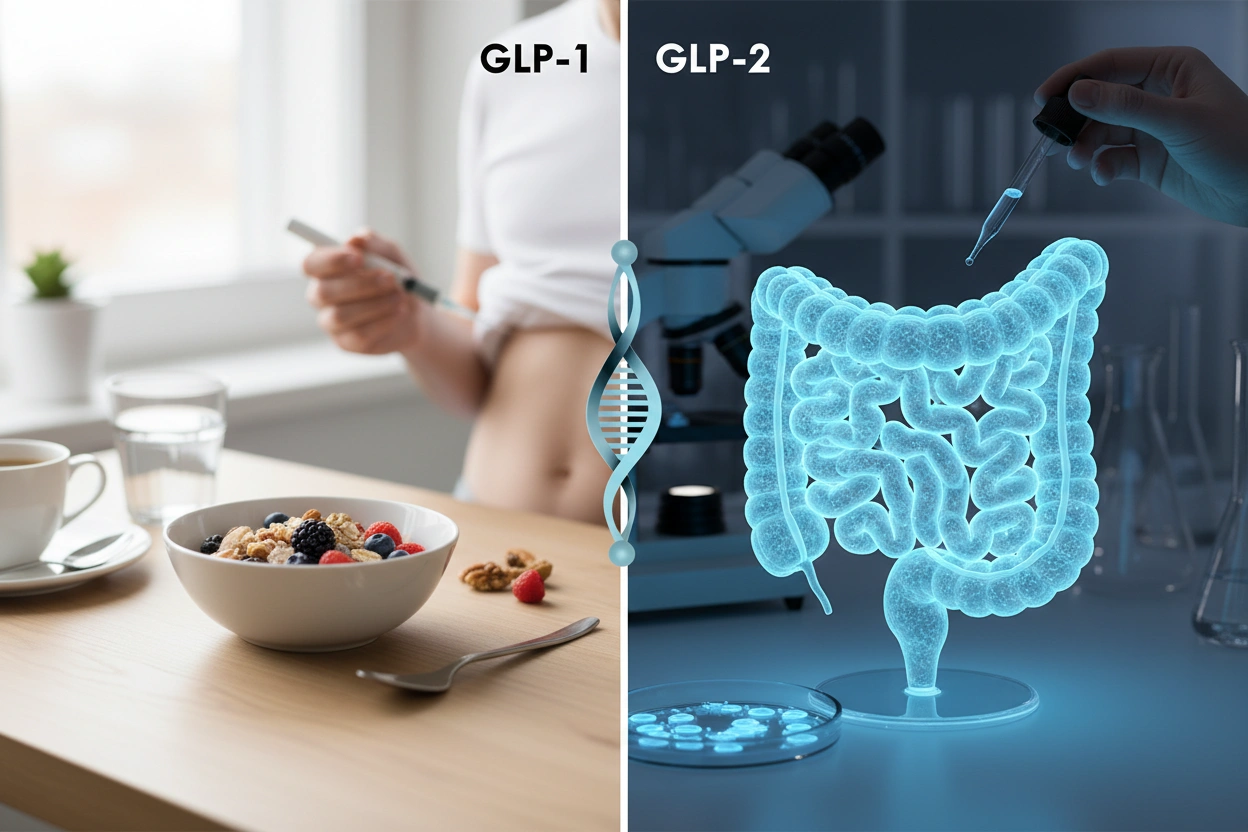
The Basics of GLP-1
GLP-1 is a hormone produced in the intestines in response to food intake. It plays several crucial roles, including stimulating insulin secretion, inhibiting glucagon release, and slowing gastric emptying. These functions collectively help regulate blood sugar levels and promote satiety, making GLP-1 an important target for weight management therapies, especially in the context of obesity and type 2 diabetes.
The action of GLP-1 is primarily mediated through GLP-1 receptor agonists, which are medications designed to mimic the hormone's effects. These drugs have been shown to aid in weight loss and improve glycemic control in patients with diabetes, highlighting the therapeutic potential of enhancing GLP-1 activity.
The Role of GLP-2
In contrast, GLP-2 is also produced in the intestines but serves different functions. It primarily promotes intestinal growth and repair, enhancing nutrient absorption and maintaining gut health. GLP-2 acts on the intestinal lining, stimulating the proliferation of enterocytes (the cells lining the intestine) and increasing the surface area available for nutrient absorption.
While GLP-2 does not have a direct role in insulin secretion, it does contribute to metabolic homeostasis by supporting the gut's structural integrity and functionality. This makes it particularly relevant in conditions where gut health is compromised, such as inflammatory bowel disease.
The Difference Between GLP-1 and GLP-2
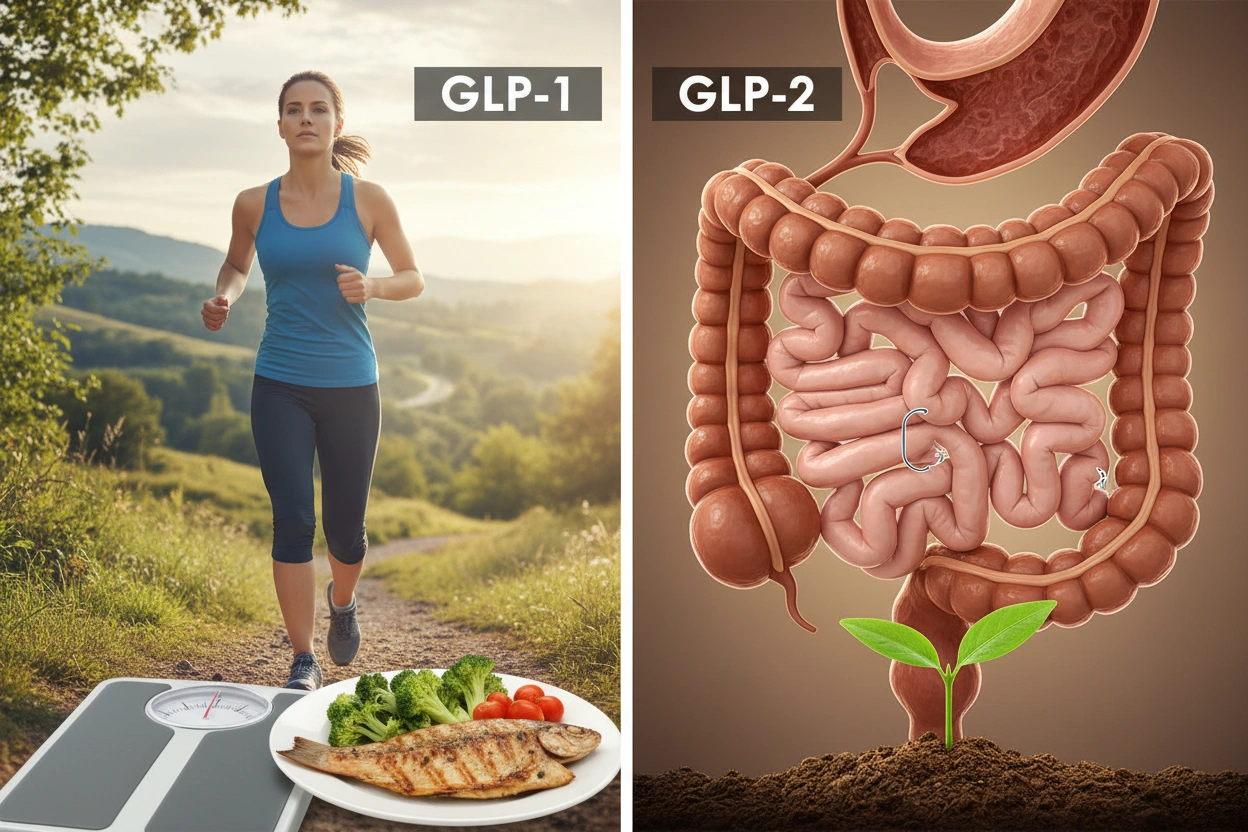
Hormonal Functions
The primary difference between GLP-1 and GLP-2 lies in their respective functions within the body:
GLP-1:
- Stimulates insulin secretion in response to meals
- Inhibits glucagon release, which helps lower blood sugar
- Slows gastric emptying, leading to increased feelings of fullness
GLP-2:
- Promotes intestinal growth and repair
- Enhances nutrient absorption
- Supports gut health and integrity
Understanding these fundamental differences is crucial for leveraging their benefits in various health conditions, particularly those related to metabolism and gastrointestinal health. the difference between GLP-1 and GLP-2 is significant when considering their roles in digestive health and metabolism.
Clinical Implications
The clinical implications of the differences between GLP-1 and GLP-2 are significant:
Weight Management:
- GLP-1 receptor agonists have been effectively used in the treatment of obesity and type 2 diabetes. These medications help patients achieve weight loss by enhancing satiety and improving glucose metabolism.
- Conversely, while GLP-2 does not directly contribute to weight loss, its role in maintaining gut health is vital for overall metabolic function, which can indirectly influence weight management.
Digestive Disorders:
- GLP-2's ability to promote gut healing makes it a potential therapeutic agent in conditions like inflammatory bowel disease. By improving the gut lining and nutrient absorption, GLP-2 can play a supportive role in managing digestive disorders.
Overall Metabolic Health:
- GLP-1's impact on insulin secretion and appetite regulation positions it as a key player in metabolic health. In contrast, GLP-2 supports metabolic homeostasis through its effects on gut health, making both hormones essential for comprehensive metabolic management.
How GLP-1 and GLP-2 Affect Weight Loss and Metabolism
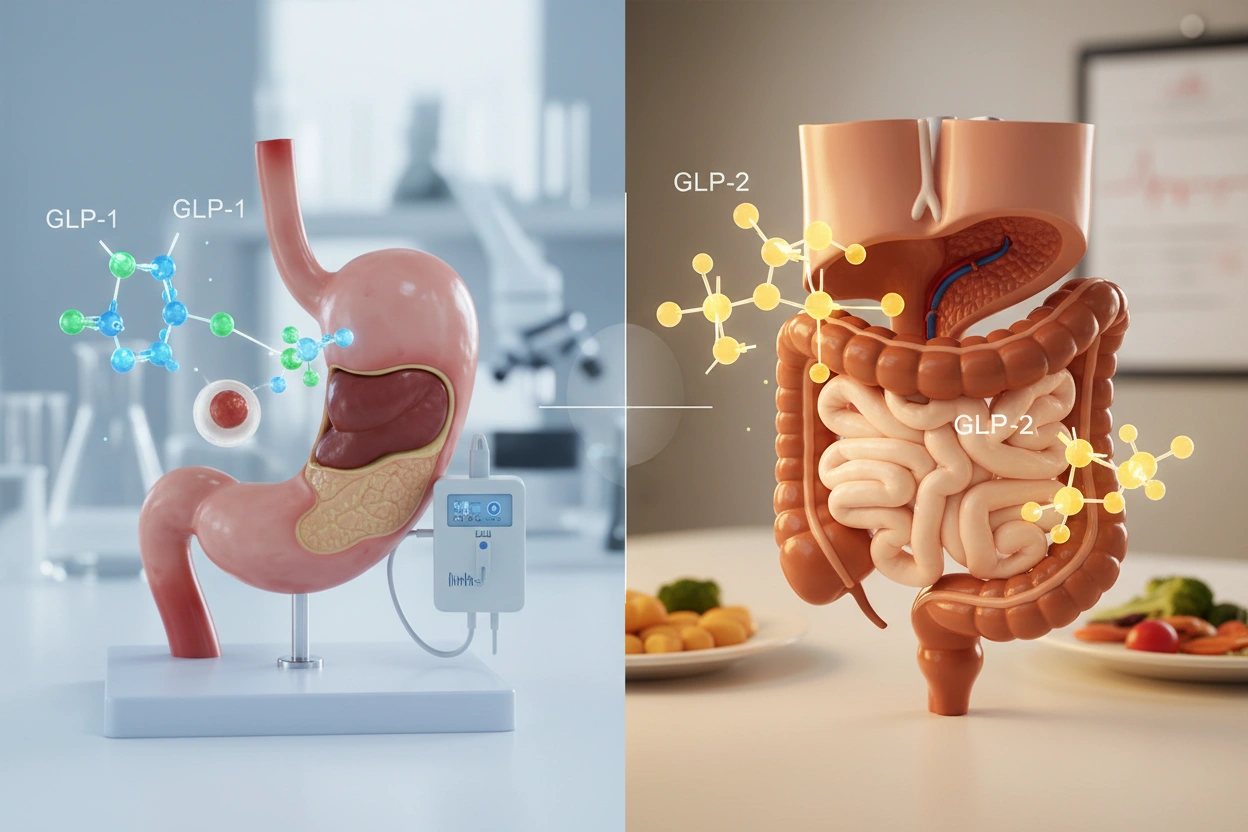
Mechanisms of Action
The mechanisms through which GLP-1 and GLP-2 influence weight loss and metabolism are complex and multifaceted:
GLP-1 and Weight Loss
- Appetite Regulation: GLP-1 enhances feelings of fullness by acting on the brain's appetite centers. This leads to reduced caloric intake, a crucial factor in weight loss.
- Increased Insulin Sensitivity: By promoting insulin secretion and reducing glucagon levels, GLP-1 helps lower blood sugar levels, which can prevent fat storage and support weight loss efforts.
- Gastric Emptying: The slowing of gastric emptying not only prolongs the feeling of satiety but also leads to a more gradual absorption of glucose, reducing spikes in blood sugar that can lead to fat storage.
GLP-2 and Metabolism
- Nutrient Absorption: GLP-2 enhances the gut's ability to absorb nutrients, which can improve overall metabolic health. A well-functioning gut is essential for efficient metabolism.
- Intestinal Health: By promoting gut integrity and repair, GLP-2 supports a healthy microbiome, which has been linked to better metabolic outcomes and weight management.
- Energy Homeostasis: GLP-2 influences energy homeostasis by enhancing the gut's capacity to manage the caloric intake efficiently, thus playing a supportive role in weight management.
Common Misconceptions
Despite the growing body of research, several misconceptions persist regarding GLP-1 and GLP-2:
Misconception 1: Both GLP-1 and GLP-2 are interchangeable.
- In reality, while they are related, their functions and effects on the body are distinct and serve different purposes.
Misconception 2: GLP-2 has no role in weight management.
- Although GLP-2 does not directly induce weight loss, its role in gut health and nutrient absorption can support metabolic health, indirectly influencing weight management.
Misconception 3: GLP-1 receptor agonists are only for diabetics.
- While they are primarily used in diabetes management, GLP-1 receptor agonists have also shown promise in treating obesity in non-diabetic patients.
Practical Applications of GLP-1 and GLP-2 Knowledge
Strategies for Enhancing GLP-1 Activity
To harness the benefits of GLP-1 for weight management and metabolic health, consider the following strategies:
Dietary Adjustments:
- Incorporate foods rich in soluble fiber, such as legumes, whole grains, and fruits, which can naturally stimulate GLP-1 secretion.
- Focus on protein-rich foods that enhance satiety and promote insulin sensitivity.
Exercise:
- Regular physical activity has been shown to increase GLP-1 levels. Aim for a combination of aerobic and resistance training to maximize benefits.
Medical Interventions:
- Consult with a healthcare provider about GLP-1 receptor agonists if struggling with obesity or type 2 diabetes.
Supporting GLP-2 for Gut Health
To support GLP-2 and maintain optimal gut health, consider the following practices:
Probiotic and Prebiotic Intake:
- Consume fermented foods rich in probiotics (like yogurt and kefir) and prebiotic fibers (such as onions and garlic) to enhance gut health.
Balanced Nutrition:
- Ensure a well-rounded diet that provides adequate vitamins and minerals to support intestinal health and repair.
Hydration:
- Staying well-hydrated is essential for maintaining a healthy gut lining and facilitating nutrient absorption.
The Intersection of GLP Hormones and Digestive Health
As we have explored, the difference between GLP-1 and GLP-2 is significant when considering their roles in digestive health and metabolism. GLP-1 serves as a key regulator of insulin and appetite, making it invaluable for weight management, while GLP-2 is essential for gut health and nutrient absorption. Together, they create a complex interplay that can affect overall health and well-being.
For those looking to optimize their digestive health and manage weight effectively, understanding these hormones can provide a strategic advantage. The insights shared in this article can guide you in making informed dietary and lifestyle choices. understanding GLP-1 and GLP-2 can assist you. Our resources and support can help you navigate the complexities of GLP-1 and GLP-2 and empower you to take charge of your digestive health.
Explore more about how to improve your health with FlowWell — Finally Feel Good on Your GLP.