GLP1 Constipation Relief: Best Diet and Lifestyle Adjustments
Discover effective diet and lifestyle adjustments to stop GLP-1 constipation and improve your gastrointestinal comfort while using GLP-1 medications.
GLP-1 Constipation Relief: Best Diet and Lifestyle Adjustments
Constipation is a common side effect for individuals using GLP-1 receptor agonists, such as Ozempic, for weight management or diabetes treatment. While these medications can effectively help in managing blood sugar levels and reducing body weight, they can also lead to gastrointestinal discomfort, particularly constipation. Understanding how to stop GLP-1 constipation is essential for those experiencing this side effect. In this article, we will explore dietary tips and lifestyle adjustments that can alleviate GLP-1 induced constipation, offering you practical solutions to improve your digestive health.
Understanding GLP-1 and Its Effects on Digestion
GLP-1, or glucagon-like peptide-1, is a hormone that plays a crucial role in regulating appetite and insulin secretion. Medications that mimic GLP-1 can slow gastric emptying, which, while beneficial for controlling hunger and blood sugar levels, can lead to slower bowel movements and constipation. This side effect can be particularly distressing and may discourage individuals from continuing their treatment.
The Mechanism Behind GLP-1 Induced Constipation
The primary mechanism by which GLP-1 affects digestion is through its action on the gastrointestinal tract. By slowing gastric emptying, it can lead to prolonged digestion time. This effect can be beneficial in controlling appetite but may also result in hardening of stool and reduced frequency of bowel movements. Understanding this mechanism is vital for developing effective strategies to counteract constipation.
Common Misconceptions About GLP-1 Constipation
One common misconception is that the only solution to GLP-1 induced constipation is to discontinue the medication. While this may be necessary for some, many individuals can manage their symptoms effectively with dietary and lifestyle changes. Another misconception is that all fiber is created equal; however, different types of fiber can have varied effects on digestion, making it essential to choose the right kinds for relief.
Top Dietary Tips to Alleviate GLP-1 Induced Constipation
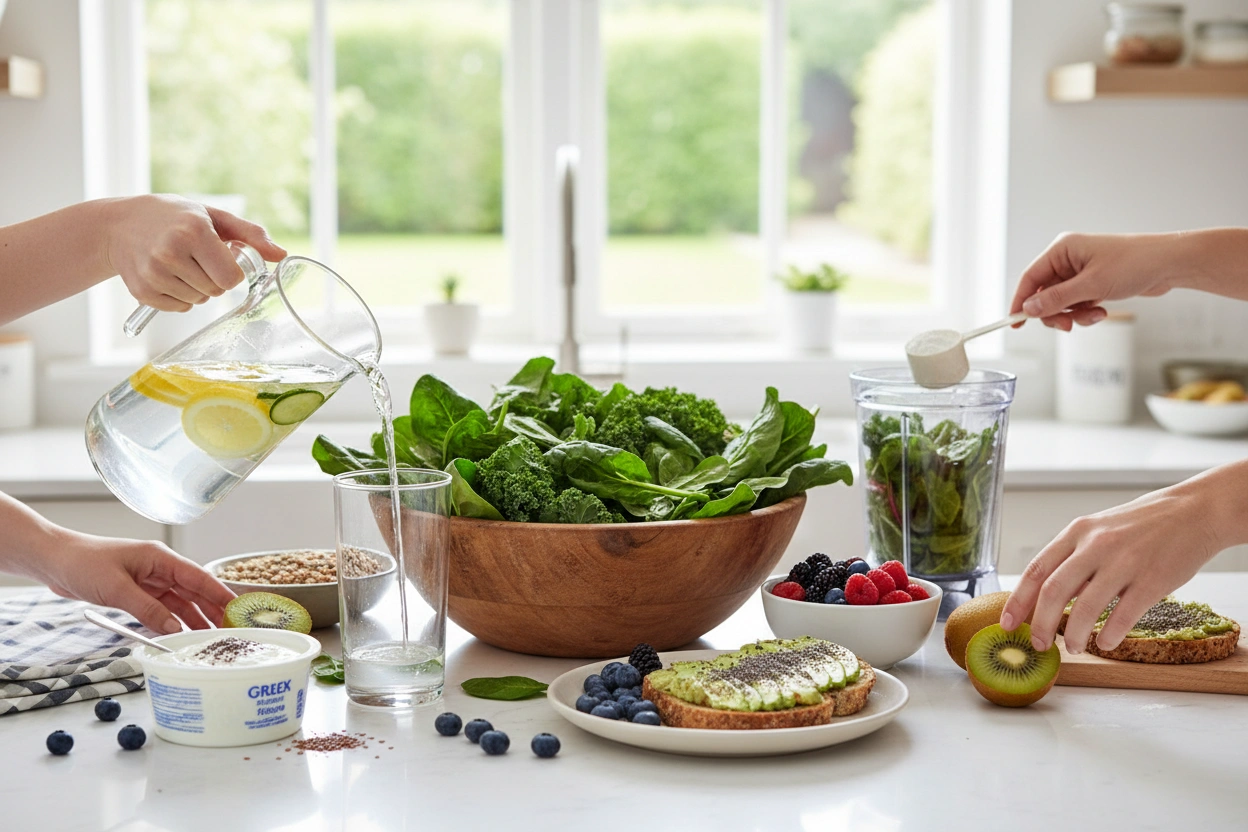
Diet plays a pivotal role in managing constipation, especially for those on GLP-1 medications. Here are some dietary tips to help alleviate symptoms:
1. Increase Fiber Intake
A high-fiber diet is crucial for promoting regular bowel movements. However, not all fibers are the same. There are two main types of dietary fiber:
- Soluble Fiber: Found in oats, apples, and beans, soluble fiber dissolves in water to form a gel-like substance that can help soften stool.
- Insoluble Fiber: This type does not dissolve in water and is found in whole grains, nuts, and vegetables. It adds bulk to stool and helps it pass through the digestive tract.
Aim for a daily fiber intake of at least 25 grams for women and 38 grams for men. Gradually increase fiber intake to prevent gas and bloating.
2. Stay Hydrated
Hydration is key to preventing constipation. Water helps dissolve soluble fiber, making it easier for stool to pass. Here are some hydration tips:
- Drink at least 8-10 cups of water daily.
- Consider herbal teas and clear broths as additional fluid sources.
- Limit caffeinated beverages, as they can lead to dehydration.
3. Incorporate Probiotics
Probiotics are beneficial bacteria that support gut health. Including probiotic-rich foods in your diet can help improve digestion and alleviate constipation. Consider adding:
- Yogurt with live cultures
- Kefir
- Sauerkraut and other fermented vegetables
Probiotic supplements can also be beneficial, but consult a healthcare provider before starting any new supplement regimen.
4. Limit Processed Foods
Processed foods often contain low fiber and high sugar content, which can exacerbate constipation. Focus on whole, unprocessed foods such as:
- Fresh fruits and vegetables
- Whole grains
- Lean proteins
These foods not only provide necessary nutrients but also promote digestive health.
Lifestyle Adjustments to Combat GLP-1 Constipation
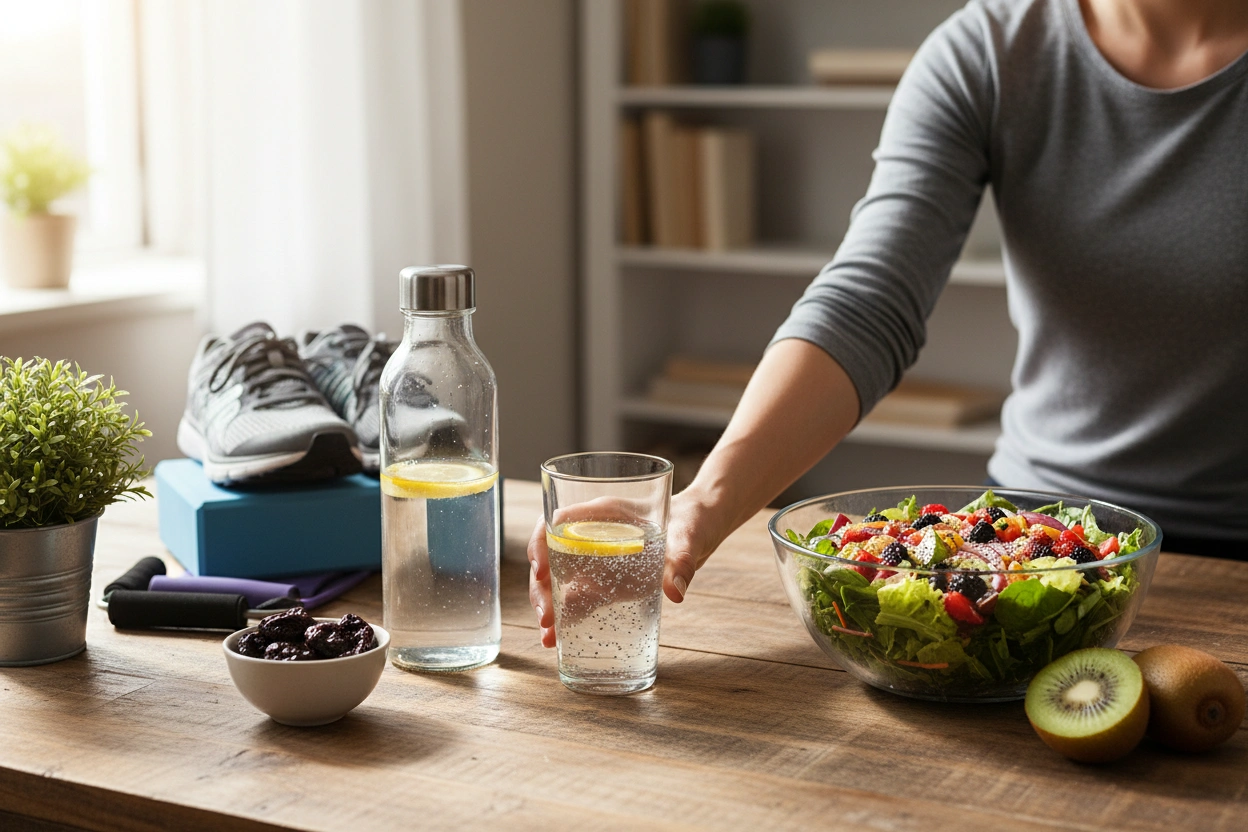
In addition to dietary changes, certain lifestyle adjustments can significantly impact bowel regularity. Here are some effective strategies:
1. Regular Physical Activity
Exercise is a powerful tool for promoting gut health. Physical activity stimulates the muscles in the gastrointestinal tract, helping to move stool through the intestines. Consider these tips for incorporating exercise into your routine:
- Aim for at least 150 minutes of moderate aerobic activity per week.
- Include strength training exercises on two or more days a week.
- Activities like walking, cycling, and yoga can also be beneficial.
2. Establish a Routine
Creating a consistent schedule for meals and bathroom visits can help train your body to have regular bowel movements. Consider the following:
- Set regular meal times to help regulate digestion.
- Try to use the bathroom at the same times each day, especially after meals when the urge to go is strongest.
3. Manage Stress
Stress can have a profound effect on digestion. High-stress levels can lead to changes in gut motility and exacerbate constipation. Incorporating stress management techniques can be beneficial:
- Practice mindfulness and meditation.
- Engage in deep-breathing exercises.
- Consider hobbies or activities that promote relaxation, such as reading or gardening.
4. Monitor Medication Timing
If you are taking GLP-1 medications, the timing of your doses can also affect bowel movements. Speak with your healthcare provider about the best time to take your medication, especially if you are experiencing severe constipation. Adjusting the timing may help alleviate some symptoms.
Common Mistakes to Avoid When Managing GLP-1 Constipation
When addressing GLP-1 induced constipation, it's easy to fall into certain traps. Here are some common mistakes to avoid:
1. Sudden Increase in Fiber
While fiber is essential, increasing it too quickly can lead to gas, bloating, and discomfort. Introduce fiber gradually into your diet, allowing your digestive system to adjust.
2. Ignoring Symptoms
Ignoring the early signs of constipation can lead to more severe problems, such as fecal impaction. If you notice changes in your bowel habits, take action early by adjusting your diet and lifestyle.
3. Relying Solely on Laxatives
While temporary relief can provide temporary relief, relying on them regularly can lead to dependency and worsen constipation in the long run. Focus on dietary and lifestyle changes for sustainable relief.
The Intersection of Diet, Lifestyle, and GLP-1 Constipation Relief
Understanding how to stop GLP-1 constipation involves a holistic approach that combines dietary modifications with lifestyle adjustments. By implementing the strategies discussed, individuals can effectively manage their symptoms and continue to reap the benefits of their GLP-1 medications.
FlowWell — Finally Feel Good on Your GLP is committed to supporting your journey toward better digestive health. By utilizing our resources, you can find additional tips and products designed to help manage GLP-1 constipation effectively.
Take Action for Better Digestive Health
If you're struggling with GLP-1 induced constipation, it's time to take control of your digestive health. Implement the dietary and lifestyle adjustments outlined in this article to find relief. For more personalized guidance, visit FlowWell — Finally Feel Good on Your GLP and explore our range of resources aimed at helping you live a healthier, more comfortable life.