Gut-Friendly Recipes to Support Digestive Health Goals
Explore delicious gut-friendly recipes to enhance your digestive health and overall wellness. Start your journey to better gut health today!
Gut-Friendly Recipes to Support Digestive Health Goals
Maintaining digestive health is an essential aspect of overall wellness that many people often overlook. As we navigate through our busy lives, it's easy to neglect our gut, but understanding how to support it can lead to significant improvements in our health. In 2026, with an increasing focus on holistic health approaches, the demand for gut-friendly recipes and dietary practices has surged. This article will delve into the importance of digestive health, explore various recipes that promote gut well-being, and provide actionable insights on maintaining a healthy gut.
Understanding Digestive Health
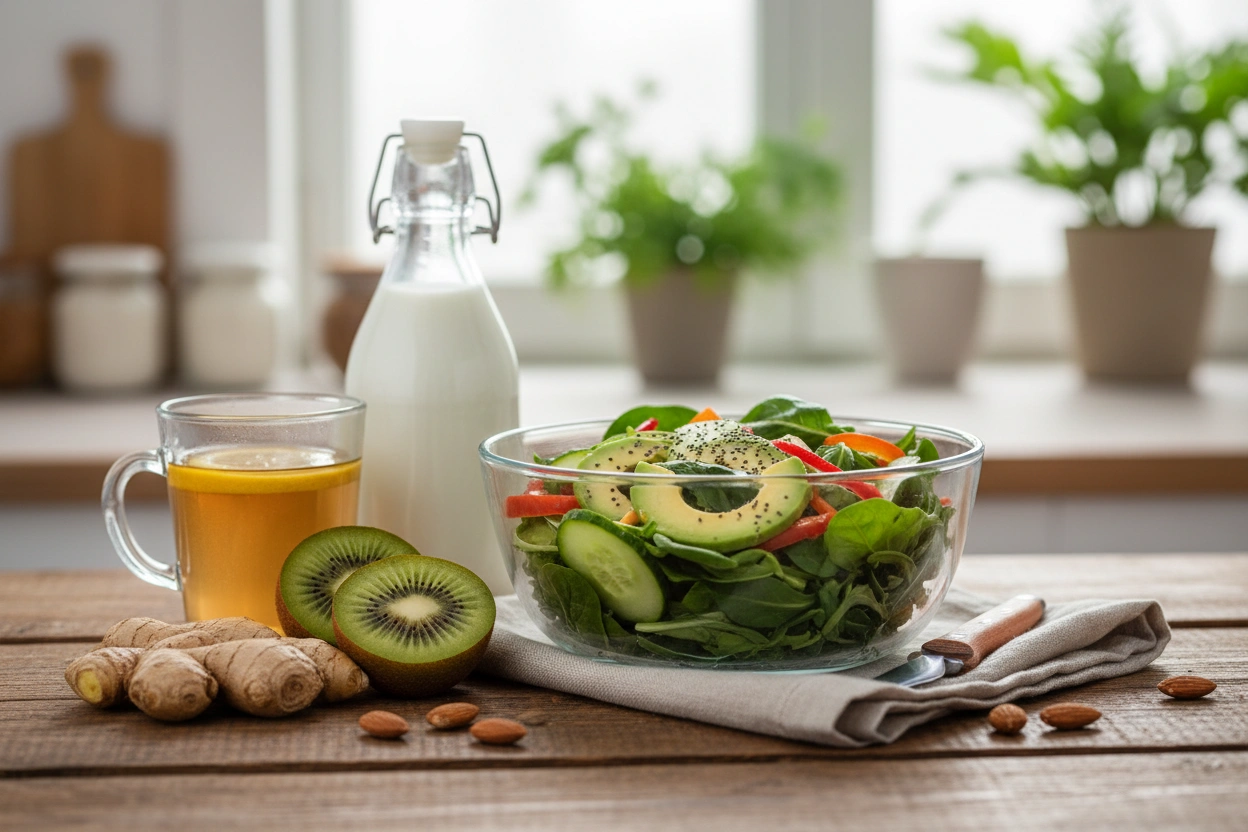
Digestive health encompasses a range of physiological processes that involve the breakdown of food, absorption of nutrients, and elimination of waste. A healthy digestive system is crucial for optimal nutrient absorption and plays a significant role in maintaining a robust immune system. Poor digestive health can lead to various issues such as bloating, constipation, diarrhea, and even more serious conditions like irritable bowel syndrome (IBS).
The Role of Gut Microbiota
Gut microbiota, consisting of trillions of microorganisms residing in our intestines, play a crucial role in digestive health. They help break down complex carbohydrates, synthesize vitamins, and protect against harmful pathogens. A balanced gut microbiome is essential for digestion, and an imbalance can lead to digestive disorders.
- The diversity of gut microbiota is vital for health.
- Fermented foods can help enhance microbial diversity.
- Stress and diet significantly affect gut microbiota composition.
Common Misconceptions About Digestive Health
There are several misconceptions surrounding digestive health that can hinder individuals from achieving their goals. For instance, many believe that digestive issues are solely linked to age, while in reality, diet and lifestyle play a more significant role. Additionally, some people think that all fats are bad for digestion, overlooking the fact that healthy fats are essential for nutrient absorption.
- Digestive health is not only a concern for older adults.
- Not all fats contribute negatively to digestion; healthy fats are vital.
- Fiber is important, but too much can lead to discomfort if introduced too quickly.
Gut-Friendly Foods for Digestive Health
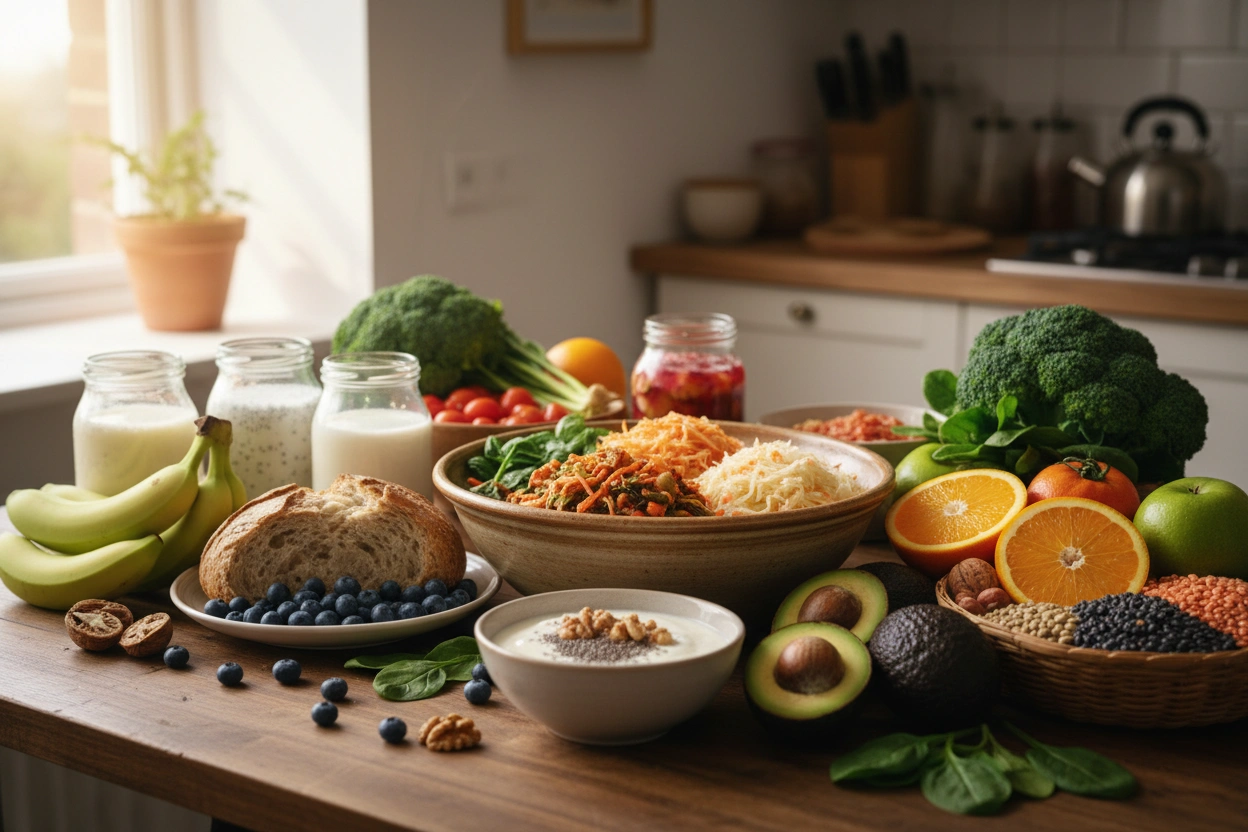
Incorporating gut-friendly foods into your diet is crucial for supporting digestive health. Here are some of the best foods to include in your meals:
1. Fermented Foods
Fermented foods are rich in probiotics, which can enhance gut health by increasing beneficial bacteria levels. Some excellent options include:
- Yogurt
- Kefir
- Sauerkraut
- Kimchi
- Miso
These foods not only support digestion but also boost the immune system and may improve mood.
2. High-Fiber Foods
Dietary fiber plays a significant role in digestive health by promoting regular bowel movements and preventing constipation. Foods high in fiber include:
- Whole grains (oats, quinoa, brown rice)
- Fruits (apples, pears, berries)
- Vegetables (broccoli, carrots, artichokes)
- Legumes (beans, lentils, chickpeas)
Including a variety of these foods in your diet can help maintain a healthy gut.
3. Prebiotic Foods
Prebiotics are non-digestible food components that promote the growth of beneficial bacteria in the gut. Incorporating prebiotic-rich foods can aid digestion. Some examples are:
- Garlic
- Onions
- Bananas
- Asparagus
- Leeks
These foods can serve as fuel for your gut bacteria, fostering a healthy microbiome.
4. Healthy Fats
Healthy fats, particularly omega-3 fatty acids, can reduce inflammation in the gut. Incorporate foods such as:
- Avocados
- Nuts (walnuts, almonds)
- Seeds (chia, flaxseed)
- Fatty fish (salmon, sardines)
These fats not only support digestion but also contribute to overall health.
5. Hydration
Staying hydrated is vital for digestive health. Water helps break down food so that nutrients can be absorbed effectively. Aim to drink adequate amounts of water throughout the day, and consider herbal teas, which can also aid digestion.
Foods to Avoid for Good Digestion

While certain foods can promote digestive health, others can hinder it. Here are some foods to limit or avoid:
1. Processed Foods
Highly processed foods often contain additives and preservatives that can disrupt gut health. They may also be low in fiber, leading to digestive issues.
2. High-Sugar Foods
Excess sugar can promote the growth of harmful bacteria in the gut, leading to imbalances. Reduce intake of sugary snacks, sodas, and desserts.
3. Dairy Products
Some individuals may be lactose intolerant, making dairy difficult to digest. If you experience discomfort after consuming dairy, consider alternatives like almond or coconut milk.
4. Fried Foods
Fried foods are high in unhealthy fats and can cause digestive discomfort. Opt for baked or grilled alternatives instead.
5. Artificial Sweeteners
Certain artificial sweeteners can cause bloating and discomfort in some individuals. Monitor your intake and consider natural alternatives like stevia or honey.
Best Practices for Maintaining Gut Health on Mounjaro
For those using Mounjaro, a medication that helps with weight management, maintaining digestive health is particularly important. Here are some best practices to consider:
1. Monitor Dietary Changes
Mounjaro can affect appetite and digestion. It's crucial to monitor how your body responds to different foods and adjust your diet accordingly. Keep a food diary to identify what works best for you.
2. Focus on Nutrient-Dense Foods
Prioritize nutrient-dense foods that are high in fiber and low in added sugars. This can help manage weight while supporting digestive health. Meals should include a balance of protein, healthy fats, and carbohydrates.
3. Stay Hydrated
Hydration is particularly important when taking Mounjaro, as it can affect gastrointestinal motility. Ensure you are drinking enough water throughout the day to support digestion.
4. Regular Meal Timing
Establishing a regular eating schedule can help your digestive system adapt to the changes that come with Mounjaro. Consistent meal times can promote better digestion and prevent discomfort.
5. Consult Healthcare Professionals
Always consult with a healthcare provider or nutritionist to tailor dietary recommendations based on your specific needs while on Mounjaro. They can provide personalized advice to optimize your digestive health.
Delicious Gut-Friendly Recipes
Incorporating gut-friendly recipes into your diet can be both enjoyable and beneficial. Here are a few easy-to-make recipes that support digestive health:
Probiotic-Rich Smoothie
This smoothie is packed with probiotics and fiber.
Ingredients:
- 1 cup plain yogurt or kefir
- 1 banana
- 1/2 cup spinach
- 1 tablespoon chia seeds
- 1 tablespoon honey (optional)
Instructions:
- Combine all ingredients in a blender.
- Blend until smooth and creamy.
- Enjoy as a breakfast or snack.
Quinoa Salad with Vegetables
This salad is a great source of fiber and prebiotics.
Ingredients:
- 1 cup cooked quinoa
- 1/2 cup diced cucumber
- 1/2 cup cherry tomatoes, halved
- 1/4 cup chopped red onion
- 2 tablespoons olive oil
- 1 tablespoon lemon juice
- Salt and pepper to taste
Instructions:
- In a large bowl, combine cooked quinoa and vegetables.
- Drizzle with olive oil and lemon juice, then season with salt and pepper.
- Toss to combine and serve chilled.
Avocado Toast with Garlic
This dish combines healthy fats with prebiotic benefits.
Ingredients:
- 1 ripe avocado
- 1 clove garlic, minced
- 1 slice whole-grain bread
- Salt and pepper to taste
- Red pepper flakes (optional)
Instructions:
- Toast the whole-grain bread.
- In a bowl, mash the avocado with minced garlic, salt, and pepper.
- Spread the mixture on the toasted bread and sprinkle with red pepper flakes if desired.
The Connection Between Digestive Health and Overall Well-Being
Digestive health is intricately linked to overall well-being. A healthy gut can improve mood, boost the immune system, and enhance nutrient absorption. Conversely, poor digestive health can lead to various physical and mental health issues.
By adopting gut-friendly recipes and understanding the impact of different foods, you can take significant steps toward improving your digestive health. This approach not only supports weight loss goals but also fosters a healthier lifestyle.
Embracing Digestive Health with FlowWell
As you explore the world of gut-friendly recipes and dietary practices, remember that maintaining digestive health is a journey that requires consistent effort and mindful choices. make time for wellness — Finally Feel Good on Your GLP provides resources and support to help you navigate this journey effectively.
By integrating the principles discussed in this article into your daily routine, you can enhance your digestive health and overall well-being. Whether you're looking to lose weight, improve gut function, or simply feel better, the right dietary choices can make all the difference.
Take the first step towards a healthier gut today. Visit FlowWell — Finally Feel Good on Your GLP for more information and resources tailored to your digestive health goals.