How Dietary Changes Help GLP1 Constipation Go Away Over Time
Discover how dietary changes can help GLP1 constipation go away over time. Learn effective strategies for managing gastrointestinal issues.
How Dietary Changes Help GLP1 Constipation Go Away Over Time
The rise in the use of GLP-1 receptor agonists for managing diabetes and weight loss has led to a notable increase in reports of gastrointestinal issues, particularly constipation. Many individuals using these medications often wonder, "Does GLP1 constipation go away?" Understanding the relationship between dietary changes and the alleviation of constipation caused by GLP-1 drugs is crucial. This article delves into effective dietary tips that can help manage and potentially resolve constipation over time.
Understanding GLP-1 Receptor Agonists and Their Effects
GLP-1 receptor agonists, such as semaglutide and liraglutide, are medications that mimic the effects of the glucagon-like peptide-1 hormone. They play a significant role in enhancing insulin secretion and inhibiting glucagon release, which ultimately helps regulate blood sugar levels. However, one of the common side effects associated with these medications is gastrointestinal distress, particularly constipation.
Why Do GLP-1 Drugs Cause Constipation?
Constipation related to GLP-1 receptor agonists is primarily attributed to their mode of action on the gut. These medications slow down gastric emptying and enhance feelings of fullness, which can lead to reduced food intake and altered bowel habits. The resulting decrease in food movement through the digestive tract can lead to harder stools and infrequent bowel movements.
Understanding this physiological response is crucial for those wondering if GLP1 constipation goes away. With appropriate dietary modifications, it is indeed possible to mitigate these effects and promote regular bowel function.
Common Misconceptions About GLP-1 Constipation
Several misconceptions exist surrounding the gastrointestinal side effects of GLP-1 medications. One prevalent myth is that constipation is an unavoidable consequence of using these drugs. While it is true that many patients experience this issue, it is not universally experienced nor is it permanent.
Another misconception is that increasing fiber intake alone will resolve constipation. While fiber is indeed beneficial, the type of fiber consumed and hydration levels are equally important. A holistic approach that includes a balanced diet, adequate hydration, and lifestyle changes is essential for effective management.
Top Dietary Tips to Alleviate Constipation from GLP-1 Drugs
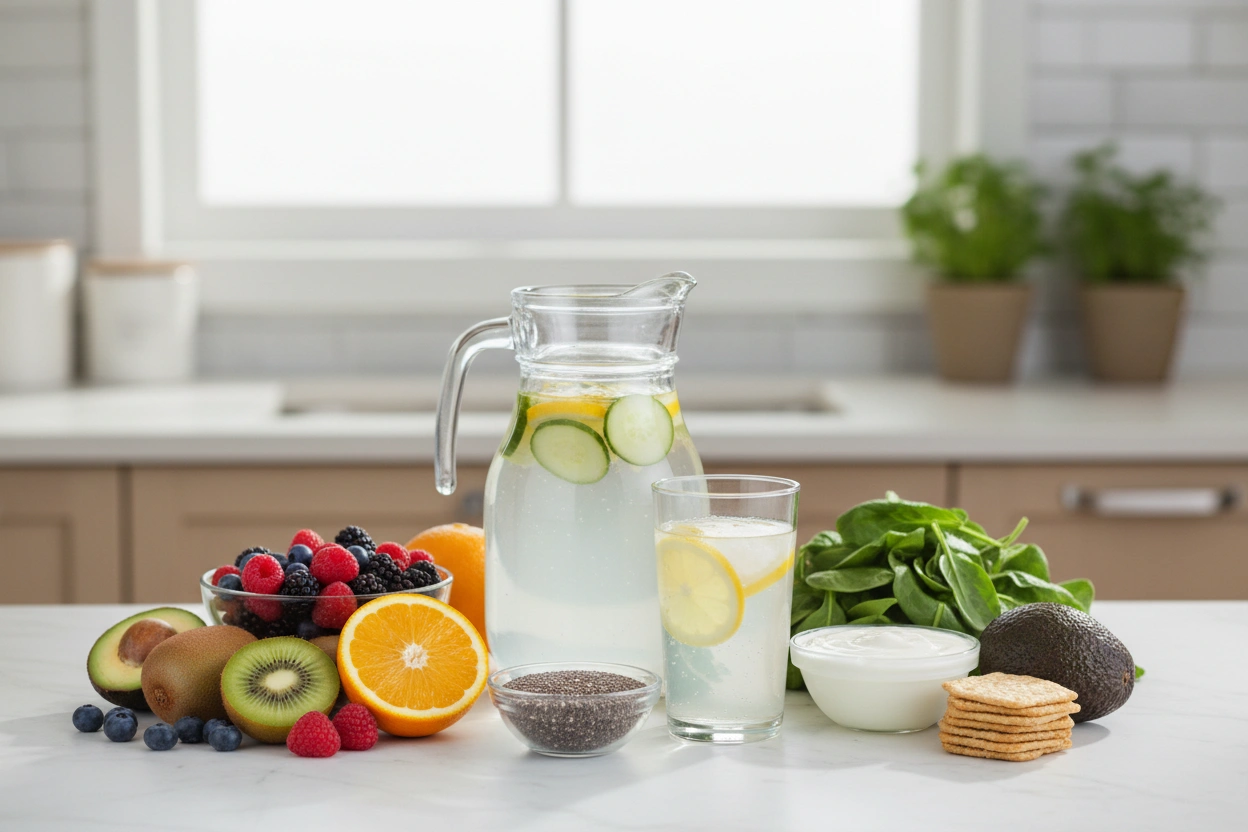
When addressing the question of whether GLP1 constipation goes away, dietary changes play a pivotal role. Below are actionable dietary tips that can help alleviate constipation associated with GLP-1 medications:
1. Increase Soluble and Insoluble Fiber Intake
A balanced intake of both soluble and insoluble fiber can significantly improve bowel function.
- Soluble Fiber: Found in oats, beans, lentils, and fruits like apples and berries, soluble fiber absorbs water, forming a gel-like consistency that helps soften stools.
- Insoluble Fiber: Found in whole grains, nuts, and vegetables, insoluble fiber adds bulk to the stool and aids in its passage through the digestive tract.
Incorporating a variety of fiber-rich foods into daily meals can facilitate smoother bowel movements and mitigate the discomfort of constipation.
2. Stay Hydrated
Adequate hydration is essential for preventing constipation. Water helps dissolve soluble fiber, allowing it to do its job effectively.
- Aim for at least eight 8-ounce glasses of water daily, but adjust based on individual needs, physical activity, and climate.
- Herbal teas and broths can also contribute to overall hydration and digestive health.
3. Incorporate Probiotics
Probiotics are beneficial bacteria that support gut health and can aid in regulating bowel movements.
- Foods rich in probiotics include yogurt, kefir, sauerkraut, and kimchi.
- Consider taking a probiotic supplement if dietary sources are insufficient.
Regular consumption of probiotics can help restore balance in the gut microbiome, which may be disrupted by GLP-1 medications.
4. Limit Processed Foods
Processed foods often contain low fiber and high sugar content, which can exacerbate constipation.
- Focus on whole, unprocessed foods that are naturally rich in nutrients and fiber.
- Reduce intake of fast food, snacks high in sugar, and refined carbohydrates.
Making conscious choices to limit processed foods can promote better digestive health and overall well-being.
5. Establish Regular Eating Patterns
Regular meal patterns can help train the digestive system to function more efficiently.
- Try to eat meals at consistent times each day to encourage regular bowel movements.
- Include small, frequent meals instead of large portions, which can help ease digestion.
Regular eating habits can contribute to a more predictable digestive rhythm, assisting in alleviating constipation.
6. Engage in Physical Activity
While not a dietary change, regular physical activity complements dietary modifications by stimulating gut motility. Health tips suggest aiming for at least 150 minutes of moderate exercise each week, incorporating activities such as walking, swimming, or cycling.
- Even simple activities like stretching or yoga can promote digestive health.
Maintaining an active lifestyle can help counteract the slowing effects of GLP-1 medications on gut motility.
Common Mistakes to Avoid When Managing GLP-1 Constipation
When attempting to alleviate constipation related to GLP-1 receptor agonists, individuals often make several common mistakes. Recognizing these pitfalls can enhance dietary strategies and improve outcomes.
1. Overlooking Hydration
Many individuals focus solely on increasing fiber intake while neglecting hydration. Without sufficient water intake, fiber can exacerbate constipation rather than alleviate it.
2. Sudden Increase in Fiber Intake
A sudden spike in fiber consumption can lead to gas, bloating, and discomfort. Gradually increase fiber intake over several days or weeks to allow the digestive system to adjust.
3. Ignoring Individual Responses
Each person’s digestive system reacts differently to dietary changes. Keeping a food diary to track what foods help or hinder bowel movements can provide valuable insights into personal dietary needs.
4. Neglecting Professional Guidance
Consulting with a healthcare professional or registered dietitian can provide tailored advice and ensure that dietary changes align with overall health goals, especially when managing conditions like diabetes.
The Role of FlowWell in Managing GLP1 Constipation
Addressing the question, "Does GLP1 constipation go away?" requires a multifaceted approach that combines dietary changes, hydration, and lifestyle adjustments. FlowWell — Finally Feel Good on Your GLP provides resources and support to help individuals effectively manage constipation related to GLP-1 receptor agonists.
By incorporating dietary strategies and utilizing tools provided by FlowWell, individuals can work toward alleviating the discomfort of constipation and improving overall digestive health.
Embracing Dietary Changes for Better Digestive Health
Making informed dietary choices can significantly impact the management of constipation associated with GLP-1 medications. By focusing on fiber intake, hydration, and overall dietary patterns, individuals can improve their gastrointestinal health over time.
For those looking for additional support, consider reaching out to FlowWell — Finally Feel Good on Your GLP for personalized guidance and resources tailored to your specific needs.
Visit FlowWell — Finally Feel Good on Your GLP today to explore how dietary changes can lead to better digestive health and enhance your overall well-being.