How Probiotics Enhance Digestive Health During Weight Loss
Discover how probiotics enhance digestive health during weight loss, supporting your journey to better well-being and gut balance.
How Probiotics Enhance Digestive Health During Weight Loss
The journey of weight loss often intertwines with the quest for improved digestive health. As individuals embark on this transformative path, the state of their gut can significantly influence their overall well-being. Probiotics, the beneficial bacteria found in various foods and supplements, play a pivotal role in enhancing digestive health, particularly during weight loss. Understanding how probiotics work can empower individuals to make informed dietary choices that support their digestive systems, ultimately fostering a healthier lifestyle.
In this article, we will explore the intricate relationship between probiotics, digestive health, and weight loss. We will also provide essential tips for preventing constipation during weight loss, ensuring a smooth and effective journey toward achieving health goals.
The Role of Probiotics in Digestive Health
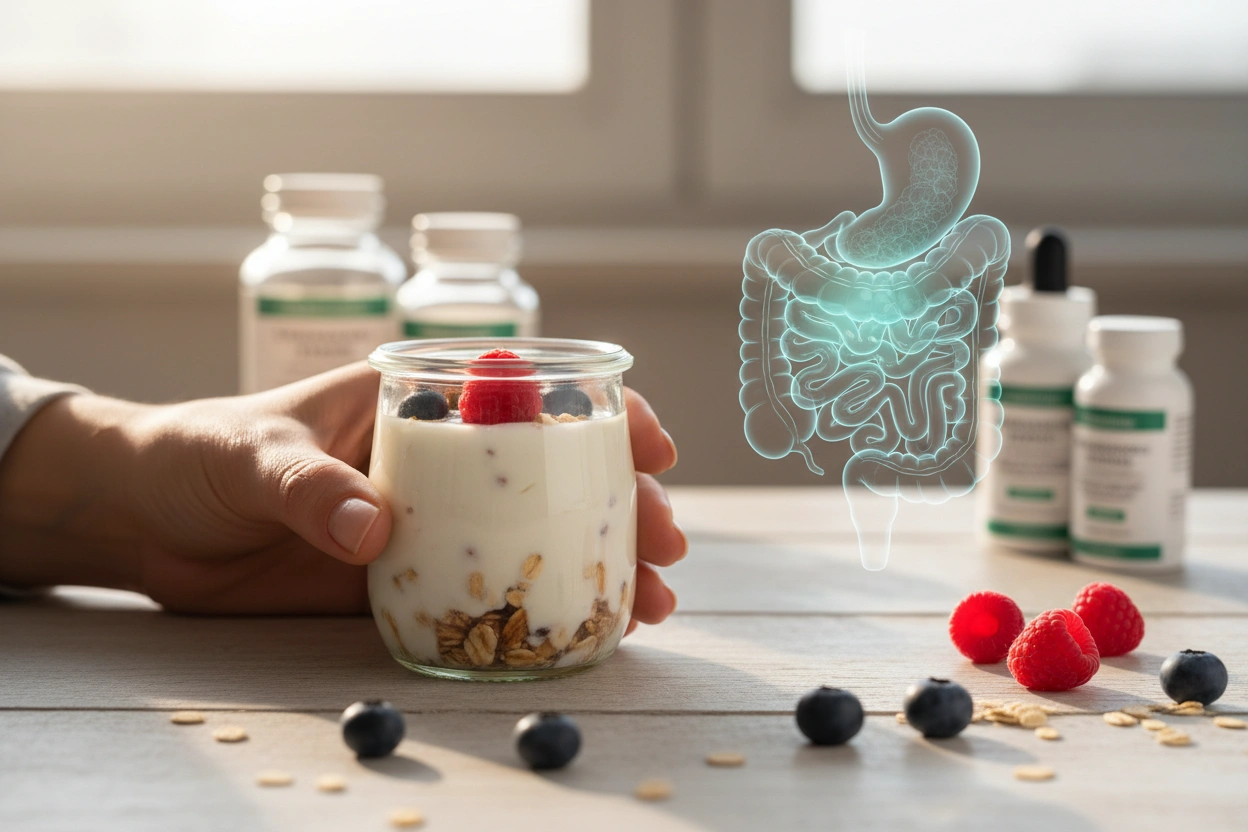
Probiotics are live microorganisms that confer health benefits to the host when consumed in adequate amounts. These beneficial bacteria help maintain a balanced gut microbiome, which is essential for optimal digestive health. A healthy gut microbiome can improve nutrient absorption, enhance immune function, and prevent digestive disorders.
How Probiotics Work
Probiotics exert their effects through various mechanisms:
- Restoration of Gut Flora: Probiotics help restore the balance of gut bacteria, which can be disrupted by factors such as poor diet, stress, and antibiotic use. This restoration is crucial for maintaining digestive health.
- Production of Short-Chain Fatty Acids (SCFAs): Certain probiotics produce SCFAs, which serve as energy sources for colon cells and have anti-inflammatory properties. SCFAs can also enhance gut barrier function, preventing harmful substances from entering the bloodstream.
- Regulation of Gut Motility: Probiotics can influence gut motility, which is essential for preventing constipation and promoting regular bowel movements.
Types of Probiotics and Their Benefits
Different strains of probiotics offer various benefits for digestive health:
- Lactobacillus: This strain is known for its ability to ferment lactose, aiding in the digestion of dairy products. It can also help alleviate symptoms of irritable bowel syndrome (IBS).
- Bifidobacterium: Commonly found in the intestines, this strain supports immune function and can reduce the severity of diarrhea.
- Saccharomyces boulardii: A beneficial yeast, this probiotic can prevent antibiotic-associated diarrhea and support gut health during weight loss.
Understanding the specific benefits of different probiotic strains can help individuals choose the right supplements or foods to support their digestive health.
The Connection Between Weight Loss and Digestive Health
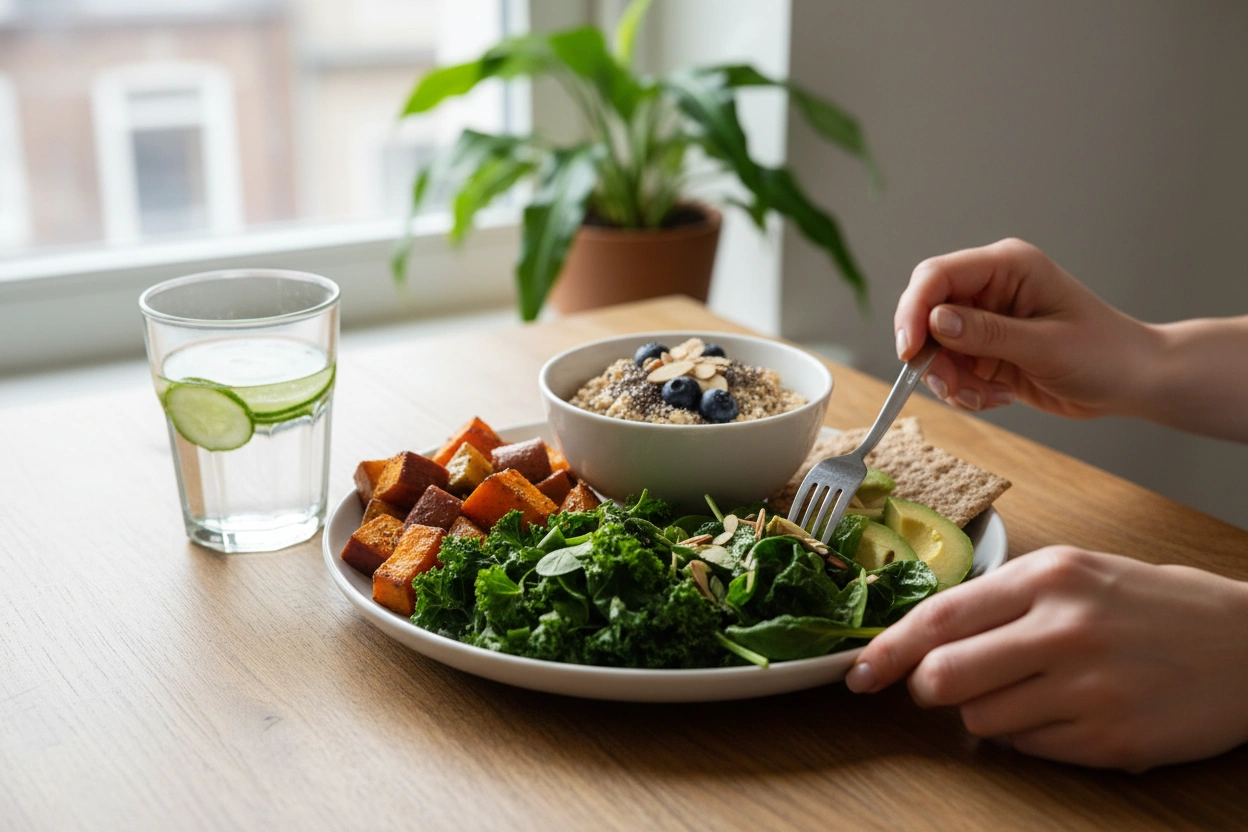
Weight loss is often accompanied by dietary changes that can impact digestive health. A diet low in fiber, high in processed foods, and lacking in essential nutrients can lead to digestive issues such as constipation and bloating. By incorporating high-fiber foods into a weight loss plan, individuals can mitigate these risks and promote a healthier gut.
How Weight Loss Affects the Gut Microbiome
Research indicates that weight loss can lead to changes in the gut microbiome, which may influence overall health. A study published in the journal Obesity found that individuals who lost weight experienced an increase in beneficial bacteria and a decrease in harmful bacteria. This shift can enhance digestive health and metabolic function.
- Improved Gut Diversity: A diverse gut microbiome is associated with better health outcomes. Weight loss can promote this diversity, particularly when accompanied by a diet rich in fruits, vegetables, and fermented foods.
- Reduced Inflammation: Excess weight is often linked to chronic inflammation, which can negatively impact gut health. Weight loss can help reduce inflammation, leading to improved digestive function.
Common Misconceptions About Probiotics and Weight Loss
Many misconceptions surround the use of probiotics for weight loss. One common myth is that probiotics alone can lead to significant weight loss. While they can support digestive health and enhance metabolic processes, they should be viewed as a complementary strategy rather than a standalone solution.
Essential Tips for Preventing Constipation During Weight Loss
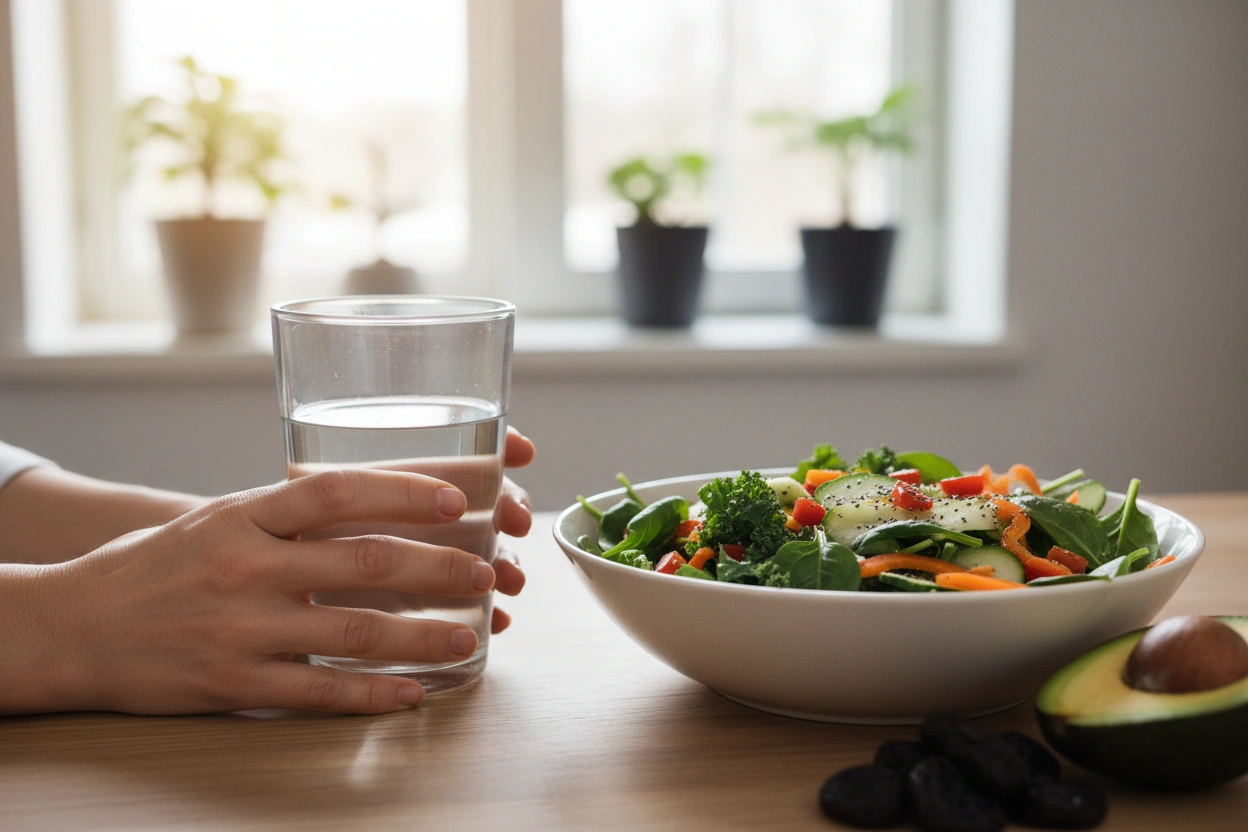
Constipation is a common issue for individuals undergoing weight loss, often resulting from dietary changes. Here are some actionable tips to prevent constipation while promoting digestive health:
- Increase Fiber Intake: Incorporate high-fiber foods such as fruits, vegetables, whole grains, and legumes into your diet. Fiber adds bulk to stool and promotes regular bowel movements.
- Stay Hydrated: Drinking adequate water is essential for digestive health. Aim for at least eight glasses of water a day to help soften stool and prevent constipation.
- Incorporate Probiotics: Add probiotic-rich foods such as yogurt, kefir, sauerkraut, and kimchi to your meals. Alternatively, consider a high-quality probiotic supplement to support gut health.
- Engage in Regular Physical Activity: Exercise stimulates gut motility and can help prevent constipation. Aim for at least 150 minutes of moderate-intensity exercise each week.
- Establish a Routine: Try to maintain a consistent eating and bathroom schedule. Regularity can help train your body to have more predictable bowel movements.
By implementing these tips, individuals can promote digestive health and minimize the risk of constipation during their weight loss journey.
Mounjaro and Gut Health
Mounjaro, a medication used for weight management, has garnered attention for its effects on gut health. As a GLP-1 receptor agonist, it influences glucose metabolism and appetite regulation. Recent studies have suggested that Mounjaro may also impact gut microbiota composition, which can further enhance digestive health.
The Mechanism Behind Mounjaro's Effects on Gut Health
Mounjaro works by mimicking the effects of incretin hormones, which play a role in regulating insulin and appetite. By improving glycemic control and promoting weight loss, it may indirectly foster a healthier gut environment. A balanced gut microbiome can enhance the effectiveness of Mounjaro, making the combination of medication and probiotics a promising strategy for those seeking to improve both weight loss and digestive health.
Potential Benefits of Combining Mounjaro with Probiotics
Combining Mounjaro with probiotics may offer several advantages:
- Enhanced Weight Loss: Probiotics can improve gut health, which may enhance the weight loss effects of Mounjaro.
- Improved Digestive Comfort: The addition of probiotics can help mitigate gastrointestinal side effects that some individuals experience while taking Mounjaro.
- Balanced Gut Microbiome: The dual approach of medication and probiotics can help maintain a balanced gut microbiome, further supporting overall health.
The Intersection of Probiotics and Digestive Health
As we navigate the complex interplay between probiotics, weight loss, and digestive health, it is evident that maintaining a healthy gut is crucial. Probiotics serve as a valuable tool in promoting digestive health during weight loss, addressing common issues such as constipation and bloating. By understanding the role of probiotics and implementing practical strategies, individuals can enhance their weight loss journey and overall well-being.
For those seeking to optimize their gut health while pursuing weight loss, incorporating probiotics into their diet can be beneficial. FlowWell — Finally Feel Good on Your GLP offers resources and products designed to support your digestive health, making it easier to achieve your health goals.
By prioritizing digestive health through the use of probiotics and other supportive measures, individuals can create a sustainable path toward improved well-being. To learn more about how you can enhance your digestive health, visit FlowWell — Finally Feel Good on Your GLP today.