How Probiotics Support Digestive Health During Weight Loss
Discover how probiotics support digestive health during weight loss, easing discomfort and enhancing gut balance for effective weight management.
How Probiotics Support Digestive Health During Weight Loss
Maintaining digestive health is crucial, especially during weight loss journeys. As individuals adopt new dietary habits, the gut often experiences various changes that can lead to discomfort. Probiotics, known as "good bacteria," play a significant role in supporting digestive health, particularly when weight loss medications, such as Wegovy, are introduced. In this article, we will explore how probiotics can aid in maintaining digestive health during weight loss, manage digestive side effects associated with medications like Ozempic, and provide top strategies to enhance gut health.
Understanding Digestive Health
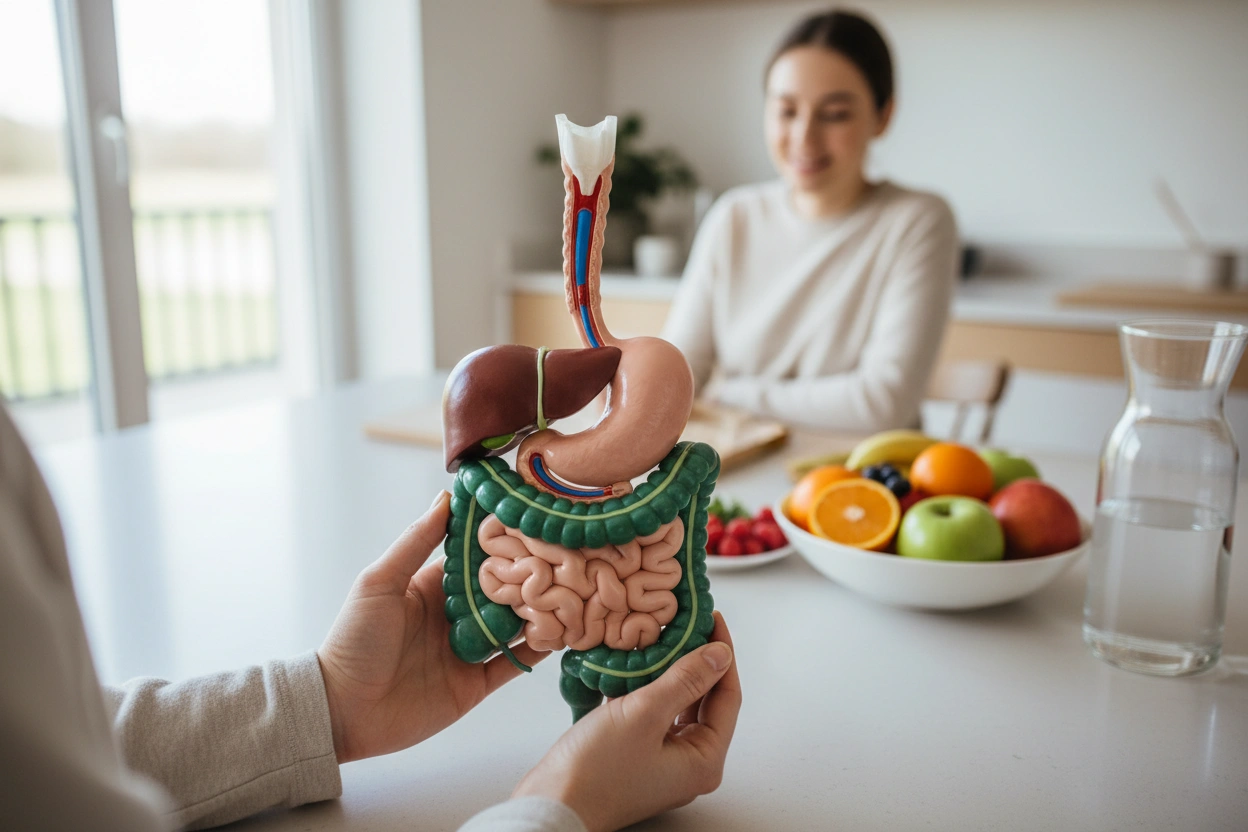
Digestive health encompasses the efficient functioning of the gastrointestinal (GI) tract, which includes the stomach, intestines, and other associated organs. A healthy digestive system ensures that the body effectively breaks down food, absorbs nutrients, and expels waste. When embarking on a weight loss journey, changes in diet, physical activity, and even medication can significantly impact digestive health.
The Role of Gut Microbiota
The gut microbiota consists of trillions of microorganisms residing in the intestines. These microbes play a critical role in digestion, immune function, and overall health. A balanced gut microbiome is essential for optimal digestive health, and imbalances can lead to various issues, such as bloating, constipation, and diarrhea.
Research has shown that probiotics can help restore balance in the gut microbiome, especially during weight loss. Probiotics are live bacteria that confer health benefits when consumed in adequate amounts. They can improve gut health by:
- Enhancing nutrient absorption
- Reducing inflammation in the gut
- Supporting immune function
Probiotics and Weight Loss

Several studies indicate that probiotics may aid in weight loss by influencing metabolism, fat storage, and appetite regulation. Different strains of probiotics can have varying effects, making it essential to choose the right type for your needs.
Mechanisms of Action
Metabolism Enhancement: Certain probiotic strains can increase the metabolism of fats and carbohydrates, leading to more efficient energy use and weight loss.
Appetite Regulation: Probiotics may help regulate hormones involved in appetite control, such as ghrelin and leptin, thus reducing cravings and overall food intake.
Gut Barrier Function: By enhancing the gut barrier function, probiotics can prevent the leakage of toxins and inflammatory molecules into the bloodstream, which can contribute to weight gain and metabolic disorders.
Probiotics in Clinical Studies
Clinical trials have shown promising results regarding the use of probiotics in weight management. For instance, a meta-analysis published in the journal Obesity found that participants who consumed probiotics lost more weight and had a greater reduction in body mass index (BMI) compared to those who did not.
Managing Digestive Side Effects of Wegovy and Ozempic

Wegovy and Ozempic are GLP-1 receptor agonists that are increasingly used for weight management. However, they can cause digestive side effects such as nausea, vomiting, and diarrhea. Understanding how to manage these side effects is vital for maintaining digestive health during weight loss.
Top Strategies to Manage Digestive Side Effects
Gradual Dose Increase: Starting with a lower dose and gradually increasing it can help the body adjust to the medication, minimizing digestive disturbances.
Hydration: Staying well-hydrated is essential, especially if experiencing diarrhea. Adequate fluid intake can help prevent dehydration and support digestive health.
Dietary Adjustments: Incorporating a diet rich in fiber, such as fruits, vegetables, and whole grains, can promote healthy digestion. Avoiding high-fat and spicy foods may also help reduce gastrointestinal discomfort.
Probiotic Supplements: Taking a daily probiotic supplement can help restore gut flora balance and alleviate digestive issues. Look for strains like Lactobacillus and Bifidobacterium, which have been shown to be effective in managing gut health.
Consulting Healthcare Providers: Regular consultations with healthcare providers can help monitor digestive health and make necessary adjustments to medication or dietary plans.
Common Misconceptions About Probiotics
Despite their benefits, several misconceptions about probiotics persist. Addressing these misconceptions can help individuals make informed choices regarding their digestive health.
Misconception 1: All Probiotics Are the Same
Not all probiotics are created equal. Different strains serve different purposes, and their effects can vary significantly. It is essential to choose a probiotic that aligns with specific health goals.
Misconception 2: Probiotics Are Only for Digestive Issues
While probiotics are widely recognized for their role in digestive health, they also support immune function, mental health, and even skin health. Their benefits extend beyond the gut, making them a valuable addition to overall wellness.
Misconception 3: Probiotics Provide Immediate Results
Many individuals expect immediate relief from digestive issues after starting probiotics. However, it can take time for probiotics to colonize the gut and exert their beneficial effects. Patience and consistency are key.
Incorporating Probiotics Into Your Weight Loss Journey
Integrating probiotics into a weight loss strategy can be simple and effective. Here are actionable insights on how to do this effectively:
Food Sources of Probiotics
Including fermented foods in your diet can be a natural way to boost probiotic intake. Consider adding the following items to your meals:
- Yogurt with live cultures
- Kefir
- Sauerkraut
- Kimchi
- Miso soup
- Kombucha
Choosing Probiotic Supplements
When selecting a probiotic supplement, keep these factors in mind:
CFU Count: Look for products with at least 1 billion colony-forming units (CFUs) per serving for effective results.
Strain Diversity: A blend of different strains can provide a broader range of benefits, so consider multi-strain probiotics.
Quality Assurance: Choose reputable brands that provide third-party testing and transparency regarding their ingredients.
Storage Requirements: Some probiotics require refrigeration, while others are shelf-stable. Ensure you follow storage instructions to maintain potency.
The Intersection of Probiotics and Weight Loss
Probiotics serve as a crucial ally in the pursuit of digestive health during weight loss. By promoting a balanced gut microbiome, they can help alleviate digestive side effects associated with weight loss medications like Wegovy and Ozempic, ultimately leading to a more comfortable and effective weight loss journey.
Incorporating probiotics into your diet through food sources or supplements can enhance digestive health, improve nutrient absorption, and support overall well-being. As we navigate the complexities of weight loss, understanding the role of gut health becomes paramount.
Maintaining digestive health is essential for success. Probiotics can play a pivotal role in this process, providing support for your gut and overall health.
To learn more about how you can optimize your digestive health during weight loss, consider exploring the resources available through FlowWell — Finally Feel Good on Your GLP. Take proactive steps towards a healthier gut and a more successful weight loss experience. Visit FlowWell — Finally Feel Good on Your GLP today and discover how our solutions can support your journey towards wellness.