How Proper Hydration for Weight Loss Eases Constipation
Discover how proper hydration for weight loss can alleviate constipation and improve digestive health for a healthier lifestyle.
How Proper Hydration for Weight Loss Eases Constipation
Maintaining proper hydration is vital for many bodily functions, especially when it comes to weight loss and digestive health. In 2026, as more people become aware of the interconnections between hydration, weight management, and digestive issues, understanding how hydration tips for weight loss can ease constipation is critical. Water not only plays a crucial role in maintaining metabolic functions but also helps in softening stool, thus preventing constipation.
In this article, we will explore the relationship between hydration and weight loss, delve into effective hydration tips for weight loss, and provide a specific focus on top hydration tips for individuals using Ozempic. Through this comprehensive guide, readers will gain actionable insights into optimizing their hydration strategies for better health outcomes.
The Importance of Hydration for Weight Loss

Hydration plays a multifaceted role in the process of weight loss, influencing everything from metabolic efficiency to appetite regulation. When the body is adequately hydrated, it can function optimally, which is essential for weight loss efforts.
Metabolic Efficiency
Water is essential for metabolic processes, including the breakdown of food and the transportation of nutrients. When the body is dehydrated, metabolic functions slow down, which can hinder weight loss efforts. Studies indicate that even mild dehydration can lead to a decrease in energy expenditure, making it more challenging to burn calories effectively.
- Water helps in the digestion and absorption of nutrients.
- Adequate hydration supports the body's thermoregulation, which can enhance calorie burning.
- Staying hydrated can help maintain energy levels, allowing for more effective workouts.
Appetite Control
One of the often-overlooked aspects of hydration is its impact on appetite control. Dehydration can sometimes be mistaken for hunger, leading individuals to consume unnecessary calories. Drinking water before meals can help individuals feel fuller, reducing the likelihood of overeating.
- Drinking water can stimulate the release of hormones that signal fullness.
- Proper hydration can help stabilize blood sugar levels, reducing cravings.
- Drinking water can help enhance the flavor of foods, making healthy options more appealing.
How Proper Hydration Eases Constipation

Constipation is a common issue that many people face, particularly when they are undergoing weight loss regimens. Proper hydration is one of the simplest yet most effective ways to alleviate constipation. Tap water is essential for maintaining the mucosal lining of the intestines, which aids in the movement of food through the digestive tract. When the body is adequately hydrated, it helps in softening stool and promoting regular bowel movements.
Water and Digestive Health
Water is essential for maintaining the mucosal lining of the intestines, which aids in the movement of food through the digestive tract. When the body is adequately hydrated, it helps in softening stool and promoting regular bowel movements.
- Drinking enough water can help dissolve nutrients and soluble fiber, making them easier to digest.
- Proper hydration can prevent hard stools, which are a common cause of constipation.
- It can promote gut motility, ensuring that waste moves through the intestines efficiently.
The Role of Electrolytes
In addition to water, maintaining an appropriate balance of electrolytes is vital for digestive health. Electrolytes, such as sodium, potassium, and magnesium, help regulate fluid balance in the body. When hydration is paired with proper electrolyte balance, it can further enhance digestive functions.
- Electrolytes assist in muscle contractions, including those in the intestines that facilitate bowel movements.
- A balanced electrolyte intake can prevent dehydration, which is a significant contributor to constipation.
- Foods rich in electrolytes, such as bananas and spinach, can be beneficial when combined with adequate water intake.
Top 10 Hydration Tips for Ozempic Users
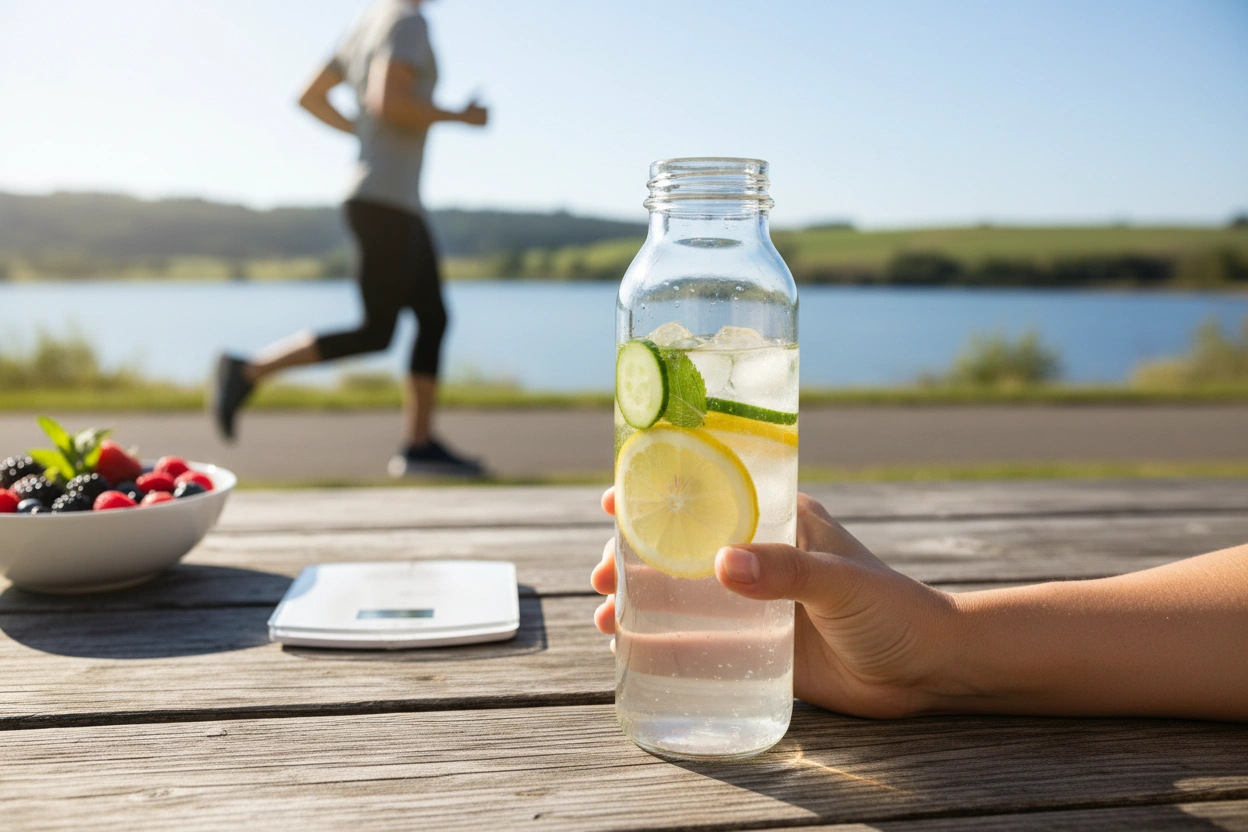
Individuals using Ozempic for weight management often need to pay special attention to their hydration levels. Ozempic can affect hydration status and gastrointestinal function, making it crucial to implement effective hydration strategies.
Monitor Daily Water Intake
Aim to drink at least eight 8-ounce glasses of water daily, adjusting based on activity levels and individual needs.Incorporate Electrolyte-Rich Beverages
Consider incorporating electrolyte drinks, especially during workouts, to maintain electrolyte balance.Set Reminders
Use smartphone apps or alarms to remind yourself to drink water throughout the day, especially if you have a busy schedule.Infuse Water with Flavor
Enhance the taste of water by adding slices of fruits like lemon, cucumber, or berries, which can encourage increased consumption.Drink Before Meals
Make it a habit to drink a glass of water before each meal to help control appetite and aid digestion.Carry a Reusable Water Bottle
Keep a water bottle with you at all times to make it easier to sip throughout the day.Eat Water-Rich Foods
Include foods with high water content in your diet, such as cucumbers, watermelon, and oranges, to boost hydration.Avoid Sugary Drinks
Limit the intake of sugary beverages, as they can lead to dehydration and do not provide the same hydration benefits as water.Hydrate During Exercise
Ensure that you drink water before, during, and after workouts to replace lost fluids.Be Aware of Signs of Dehydration
Learn to recognize signs of dehydration, such as dry mouth, fatigue, or dark urine, and take action by increasing water intake.
Common Misconceptions About Hydration and Weight Loss
Misunderstanding the role of hydration in weight loss can lead to ineffective strategies. Here are some common misconceptions:
Misconception 1: You Only Need Water When Thirsty
Many people believe that they should only drink when they feel thirsty. However, thirst can be a late indicator of dehydration. It is essential to hydrate proactively rather than reactively.
Misconception 2: All Beverages Are Equal
While beverages like coffee and tea can contribute to hydration, they may also have diuretic effects. Relying solely on caffeinated or sugary drinks can hinder hydration efforts.
Misconception 3: You Can Overhydrate
Although it is possible to drink excessive amounts of water, it is rare. Most individuals need to focus on ensuring they are adequately hydrated rather than worrying about overhydration.
The Connection Between Hydration, Weight Loss, and Constipation
Understanding the relationship between hydration, weight loss, and constipation is crucial for anyone looking to improve their health. By ensuring proper hydration, individuals can facilitate their weight loss journeys and alleviate digestive issues, including constipation.
- Proper hydration supports metabolic functions, aiding in weight loss.
- Drinking enough water can ease constipation, promoting a healthier digestive system.
- Integrating hydration strategies into daily routines can enhance overall well-being and weight management efforts.
Embracing Effective Hydration with FlowWell
Incorporating hydration strategies into your weight loss plan is essential for achieving optimal health. FlowWell — Finally Feel Good on Your GLP offers guidance and resources to help individuals navigate their hydration needs effectively. By understanding the significance of hydration for weight loss and digestive health, you can take charge of your wellness journey.
To learn more about how proper hydration can support your weight loss efforts and ease muscle cramps, visit FlowWell — Finally Feel Good on Your GLP. Start your journey toward better hydration today and feel the difference it can make in your overall health and wellness.
Managing GLP-1 side effects? Our articles can help.
Evidence-based articles written for real patients — covering constipation relief, fiber intake, medication adherence, and more.