How to Balance Protein Intake With Other Nutrients for Health
Discover how to balance protein intake with other nutrients for optimal health. Learn tips for incorporating protein into your diet effectively.
How to Balance Protein Intake With Other Nutrients for Health
In today's health-conscious world, protein has become a buzzword that resonates with fitness enthusiasts, dieters, and health advocates alike. As more people recognize the importance of incorporating adequate protein into their diets, the challenge lies in balancing it with other essential nutrients. This article delves into the significance of protein, how to incorporate more high protein foods into your daily diet, and the best practices for maintaining a healthy nutritional balance.
Understanding the Role of Protein in Our Diet
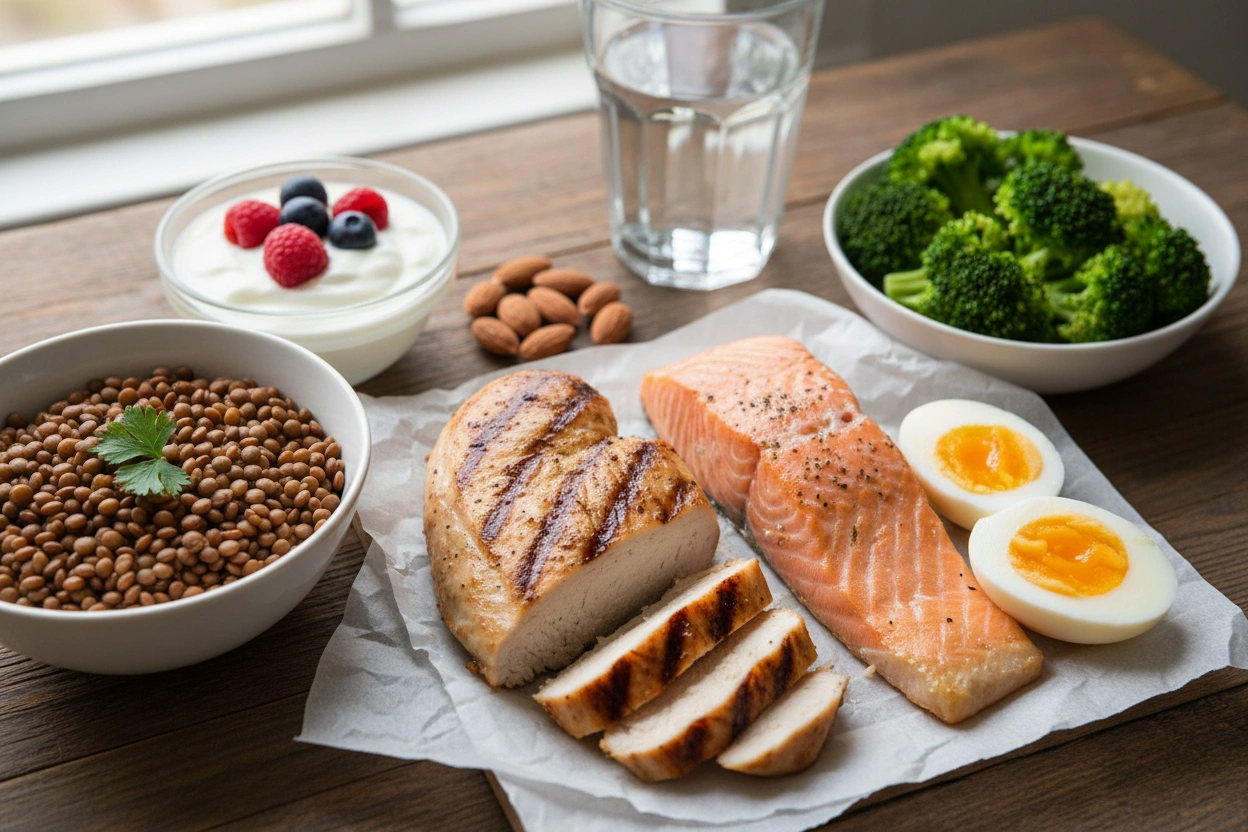
Protein is one of the three macronutrients that our bodies need to function optimally, alongside carbohydrates and fats. It plays a crucial role in building and repairing tissues, producing enzymes and hormones, and supporting overall metabolic functions. The body requires a constant supply of protein to maintain muscle mass, especially as we age or engage in physical activity.
While protein is essential, it is equally important to understand that it should not dominate our diet at the expense of other nutrients. A balanced diet that includes carbohydrates, fats, vitamins, and minerals is vital for overall health. Therefore, it is crucial to strike a balance between protein intake and the consumption of other essential nutrients.
Benefits of Protein
- Muscle Repair and Growth: Protein is vital for repairing damaged tissues and promoting muscle growth. This is especially important for athletes and those involved in strength training.
- Hormone Regulation: Proteins are involved in the production of hormones, which are essential for regulating various bodily functions, including metabolism and mood.
- Satiety and Weight Management: High protein foods can help you feel fuller for longer, which may reduce overall calorie intake and assist in weight management.
How to Incorporate More Protein into Your Daily Diet
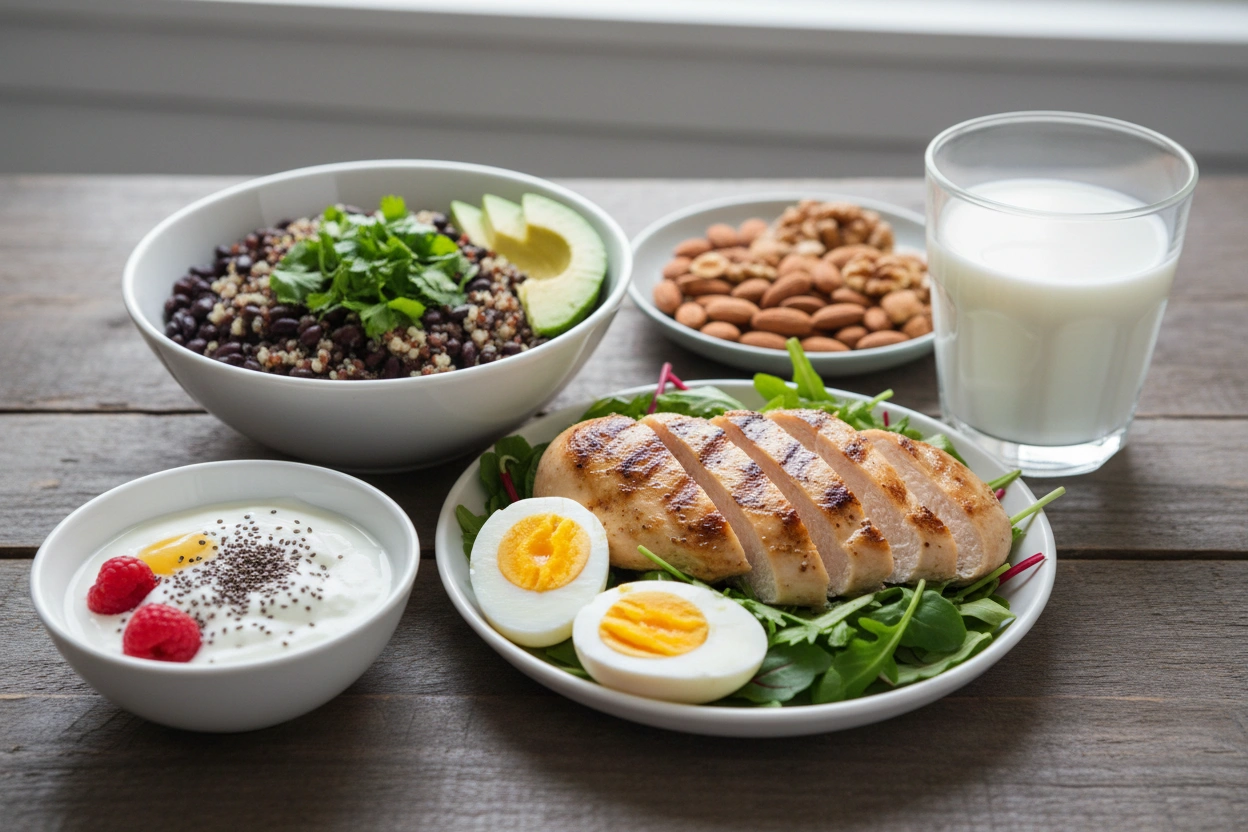
Increasing your protein intake can be achieved through various dietary strategies. Here are some effective ways to incorporate more protein into your meals without neglecting other essential nutrients.
1. Choose High Protein Foods
Selecting foods that are naturally rich in protein is the first step. Some excellent sources of high protein foods include:
- Lean meats such as chicken, turkey, and lean cuts of beef
- Fish and seafood, including salmon, tuna, and shrimp
- Plant-based proteins like lentils, chickpeas, and quinoa
- Dairy products such as Greek yogurt and cottage cheese
- Eggs, which are a complete protein source
By incorporating these foods into your meals, you can significantly boost your protein intake while enjoying a variety of flavors and textures.
2. Plan Balanced Meals
When planning your meals, aim for a balanced plate that includes protein, healthy fats, and carbohydrates. A simple guideline to follow is the "plate method," which suggests filling half of your plate with vegetables, one-quarter with protein, and one-quarter with whole grains or starchy vegetables. This method ensures that you receive adequate protein while also enjoying other essential nutrients.
3. Snack Wisely
Snacking can be an excellent opportunity to increase your protein intake. Consider the following high-protein snack options:
- A handful of nuts or seeds
- Hummus with vegetable sticks
- Hard-boiled eggs
- Cottage cheese with fruit
These snacks not only provide protein but also contain healthy fats and carbohydrates that contribute to overall nutrient balance.
4. Explore Protein Supplements
For individuals who find it challenging to meet their protein needs through food alone, protein supplements can be a practical solution. Options such as whey protein, casein, or plant-based protein powders can be added to smoothies, oatmeal, or baked goods. However, it's essential to consult with a healthcare professional before incorporating supplements into your diet.
5. Be Mindful of Portion Sizes
While protein is essential, consuming it in moderation is key. Overemphasis on protein can lead to nutrient deficiencies if other food groups are neglected. Monitoring portion sizes and ensuring a varied diet is vital for maintaining nutritional balance.
Balancing Protein with Other Nutrients
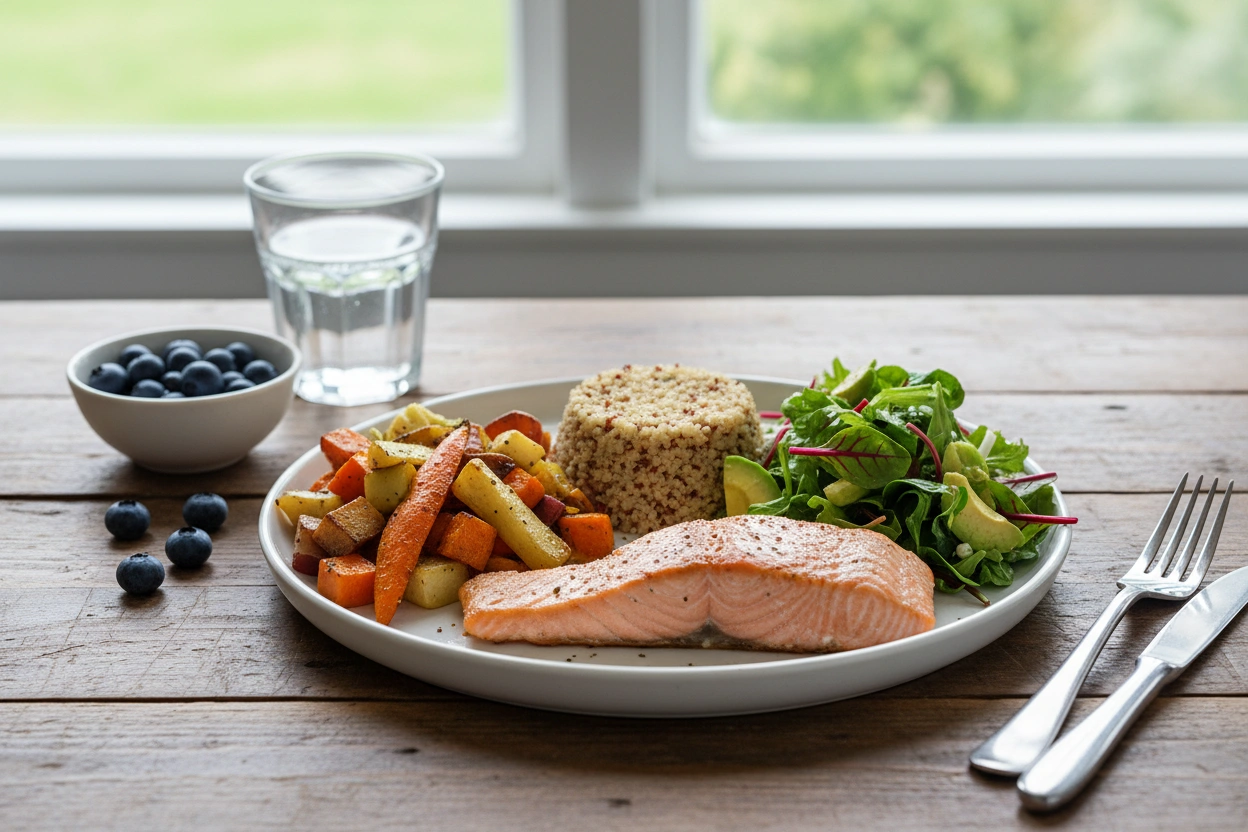
Achieving a well-rounded diet involves more than just focusing on protein. Here are some strategies to ensure you maintain a healthy balance with other nutrients.
Carbohydrates: The Energy Source
Carbohydrates are the body's primary source of energy, and they should not be overlooked in a protein-rich diet. Whole grains, fruits, and vegetables provide essential vitamins, minerals, and fiber. Aim for complex carbohydrates that digest slowly, helping maintain steady energy levels.
Healthy Fats: Supporting Overall Health
Incorporating healthy fats into your diet is crucial for hormone production and nutrient absorption. Sources of healthy fats include avocados, olive oil, nuts, and fatty fish. Balancing protein with healthy fats ensures that your body receives all the necessary nutrients for optimal functioning.
Micronutrients: The Unsung Heroes
Vitamins and minerals play a vital role in maintaining health and preventing diseases. A diet rich in fruits and vegetables will help provide these micronutrients. Foods like spinach, berries, and sweet potatoes not only contribute to your overall health but also complement your protein intake by providing essential nutrients.
Common Misconceptions About Protein Intake
As you navigate the world of protein, it's essential to be aware of common misconceptions that may lead to unhealthy dietary choices.
Myth 1: More Protein Equals More Muscle
Many people believe that consuming excessive amounts of protein will automatically lead to increased muscle mass. However, muscle growth depends on a combination of adequate protein intake, strength training, and overall caloric balance. Simply eating more protein without the appropriate exercise regimen will not yield the desired results.
Myth 2: All Protein Sources Are Created Equal
Not all protein sources are equal in quality or nutritional content. Animal-based proteins often provide all essential amino acids, while many plant-based sources may lack one or more. It is vital to choose a variety of protein sources to ensure you receive a complete amino acid profile.
Myth 3: High Protein Diets Are Always Healthy
While protein is essential, overly high-protein diets can lead to negative health outcomes, such as kidney strain or nutrient deficiencies. Striking a balance with other macronutrients is crucial for long-term health.
Making Informed Choices for Your Health
Understanding how to balance protein intake with other nutrients is a significant step toward achieving optimal health. Here are some actionable insights to guide your dietary choices:
- Educate Yourself: Familiarize yourself with the nutritional content of various foods. Knowledge is power when making healthy choices.
- Meal Prep: Preparing meals in advance can help you maintain a balanced diet and ensure you include adequate protein along with other nutrients.
- Consult Professionals: Seeking guidance from a registered dietitian or nutritionist can provide personalized advice based on your specific dietary needs and health goals.
The Intersection of Protein and Overall Health
Protein plays a vital role in our diet, and balancing its intake with other nutrients is essential for overall health. As you incorporate high protein meals into your daily meals, remember to maintain a diverse diet that includes healthy fats, carbohydrates, and micronutrients. This balanced approach will help you achieve optimal health and well-being.
At FlowWell — Finally Feel Good on Your GLP, we recognize the importance of nutritional balance in promoting a healthy lifestyle. Our commitment to holistic health aligns with your goals of maintaining a well-rounded diet. By prioritizing optimizing protein intake while ensuring you receive all essential nutrients, you can enhance your overall well-being and vitality.
For further information on how to achieve a balanced diet and improve your health, contact FlowWell — Finally Feel Good on Your GLP. Our resources and expertise can help you navigate your nutritional journey effectively. make time for wellness.