How to Choose the Right Probiotic for GLP1 Constipation
Discover what you can take for GLP1 constipation. Learn how to choose the right probiotics to alleviate gastrointestinal side effects effectively.
How to Choose the Right Probiotic for GLP1 Constipation
Constipation can be a distressing side effect for individuals taking GLP-1 receptor agonists such as Ozempic. As more people turn to these medications for weight management and diabetes control, understanding how to mitigate the gastrointestinal side effects is essential. One common question arises: what can I take for GLP1 constipation? This comprehensive guide will explore effective strategies, including the selection of the right probiotics, to alleviate constipation associated with GLP-1 medications.
Understanding GLP-1 and Its Impact on Digestion
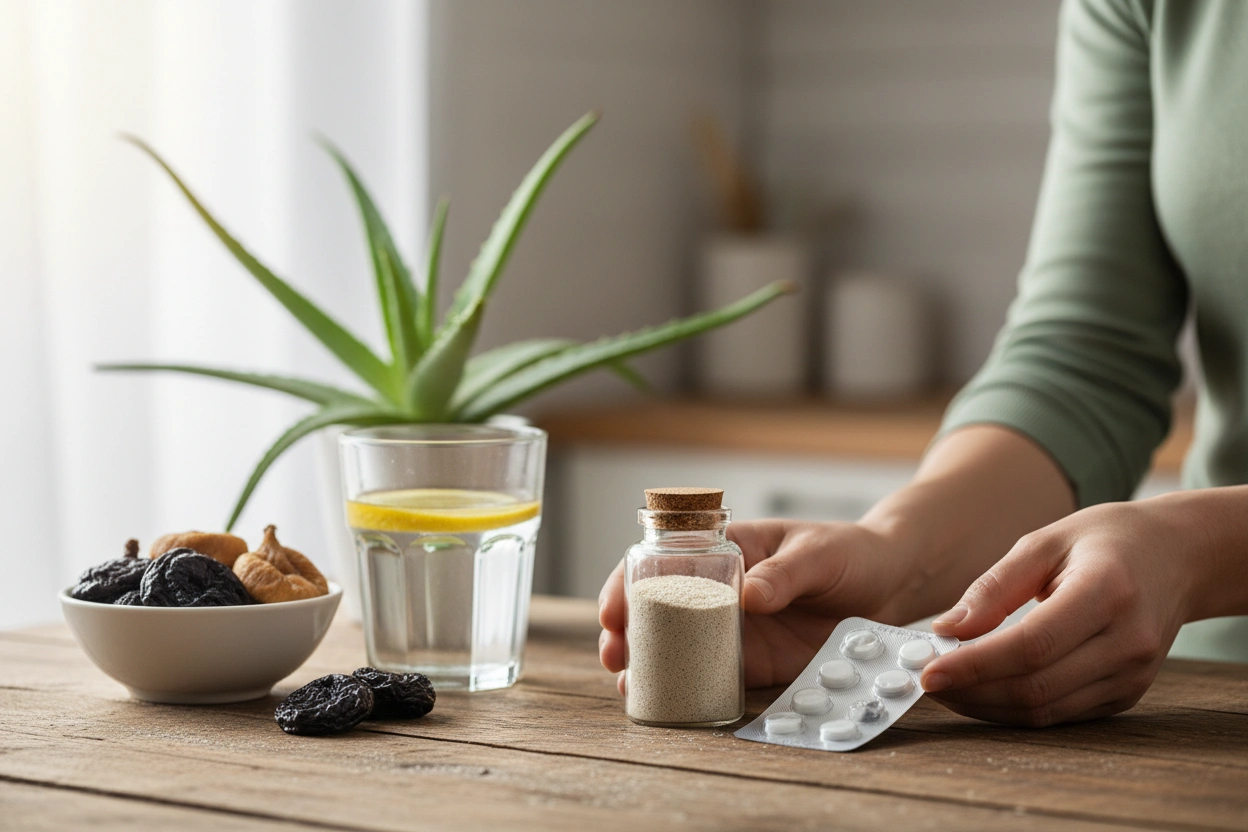
What is GLP-1?
Glucagon-like peptide-1 (GLP-1) is a hormone produced in the intestines that plays a crucial role in glucose metabolism. It stimulates insulin secretion and inhibits glucagon release, helping to lower blood sugar levels. Medications that mimic GLP-1, such as Ozempic, are widely prescribed for managing type 2 diabetes and aiding weight loss. However, while these medications are effective, they can also lead to gastrointestinal side effects, including constipation.
How GLP-1 Medications Cause Constipation
The mechanism behind GLP-1-induced constipation involves its effects on gastric emptying and intestinal motility. GLP-1 slows down gastric emptying, which can lead to a buildup of food in the stomach and a delayed transit time in the intestines. This slowdown can result in hard, dry stools and difficulty passing them, making it essential for patients to seek solutions for this common side effect.
The Role of Probiotics in Easing Constipation

What Are Probiotics?
Probiotics are live microorganisms that provide health benefits when consumed in adequate amounts. They are often referred to as "good" or "friendly" bacteria and are essential for maintaining a healthy gut microbiome. Probiotics can help restore the balance of gut bacteria, which may be disrupted by medications, poor diet, or other factors.
How Probiotics Help with Constipation
Probiotics can alleviate constipation by:
- Enhancing gut motility: Certain strains of probiotics promote the movement of food through the digestive tract, helping to reduce transit time.
- Increasing stool bulk: Probiotics can improve the fermentation of dietary fibers, leading to softer, bulkier stools that are easier to pass.
- Modulating gut microbiota: A balanced gut microbiome can influence bowel regularity and overall digestive health.
Choosing the Right Probiotic for GLP1 Constipation

Key Factors to Consider
When selecting a probiotic for GLP1 constipation, consider the following factors:
- Strain specificity: Different probiotic strains have different effects on gut health. Look for strains specifically studied for their impact on constipation, such as Bifidobacterium lactis and Lactobacillus rhamnosus.
- CFU count: The number of colony-forming units (CFUs) indicates the potency of the probiotic. A higher CFU count may be more effective, but it's essential to choose a product with a balanced formulation.
- Formulation: Probiotics come in various forms, including capsules, powders, and fermented foods. Choose one that fits your lifestyle and preferences.
Recommended Probiotic Strains
- Bifidobacterium lactis: This strain has been shown to improve stool frequency and consistency in individuals with constipation.
- Lactobacillus rhamnosus: Known for its ability to enhance gut motility and stool softening, this strain is particularly beneficial for those experiencing constipation.
- Saccharomyces boulardii: A yeast-based probiotic that can help regulate bowel movements and improve gut health.
Dosage and Administration
The dosage of probiotics can vary depending on the specific product and the individual's health status. Generally, a daily intake of 5 to 10 billion CFUs is recommended for constipation relief. However, it's advisable to consult with a healthcare professional to determine the appropriate dosage based on individual needs and responses.
Complementary Strategies for Managing GLP1 Constipation
Dietary Adjustments
In addition to probiotics, dietary changes can significantly alleviate constipation. Here are some effective strategies:
- Increase fiber intake: Incorporate more fruits, vegetables, whole grains, and legumes into your diet. Aim for at least 25-30 grams of fiber daily.
- Stay hydrated: Drinking plenty of water is crucial for softening stools. Aim for at least 8 cups of water daily.
- Limit processed foods: Reduce intake of high-fat, low-fiber foods that can exacerbate constipation.
Lifestyle Modifications
Incorporating physical activity and establishing a regular bathroom routine can also help manage constipation. Consider the following tips:
- Regular exercise: Engage in at least 30 minutes of moderate exercise most days of the week to stimulate bowel movements.
- Establish a routine: Set aside time for bowel movements, ideally after meals when the body's natural reflexes are heightened.
Common Misconceptions About Probiotics and Constipation
Misconception 1: All Probiotics Are the Same
Not all probiotics are created equal. Different strains have unique effects on gut health, and the effectiveness of a probiotic depends on its specific formulation. It is crucial to choose a product backed by research demonstrating its efficacy in alleviating constipation.
Misconception 2: Probiotics Provide Immediate Relief
While probiotics can help improve gut health over time, they may not provide instant relief from constipation. It often takes several days or weeks of consistent use to notice significant changes in bowel habits.
Misconception 3: Probiotics Can Replace Other Treatments
Probiotics are a valuable addition to managing GLP1 constipation but should not replace other treatments or lifestyle modifications. It is essential to adopt a comprehensive approach that includes dietary changes, hydration, and physical activity.
Conclusion: Finding Relief with FlowWell
In summary, understanding what can I take for GLP1 constipation involves a multifaceted approach that includes selecting the right probiotics and making lifestyle adjustments. Probiotics, particularly specific strains like Bifidobacterium lactis and Lactobacillus rhamnosus, can significantly enhance gut motility and alleviate constipation caused by GLP-1 medications.
For those seeking a tailored solution to their digestive challenges, FlowWell — Finally Feel Good on Your GLP offers expertly formulated probiotics designed to support gut health and alleviate constipation. To explore how our products can help you, visit FlowWell — Finally Feel Good on Your GLP today and take the first step towards a more comfortable and healthier life.