How to Create a Digestive-Friendly Meal Plan with Ozempic
Learn how to create a digestive-friendly meal plan with Ozempic for optimal digestive health and effective weight management.
How to Create a Digestive-Friendly Meal Plan with Ozempic
Creating a digestive-friendly meal plan is essential for maintaining optimal digestive health, particularly for individuals using Ozempic (semaglutide) as part of their weight management or diabetes treatment. The medication influences digestion and appetite regulation, making it crucial to understand how to balance meals for both effectiveness and comfort. This article will delve into the elements of a digestive-friendly meal plan, explore top foods that promote healthy digestion, and provide gut health tips to enhance your overall well-being.
Understanding Digestive Health
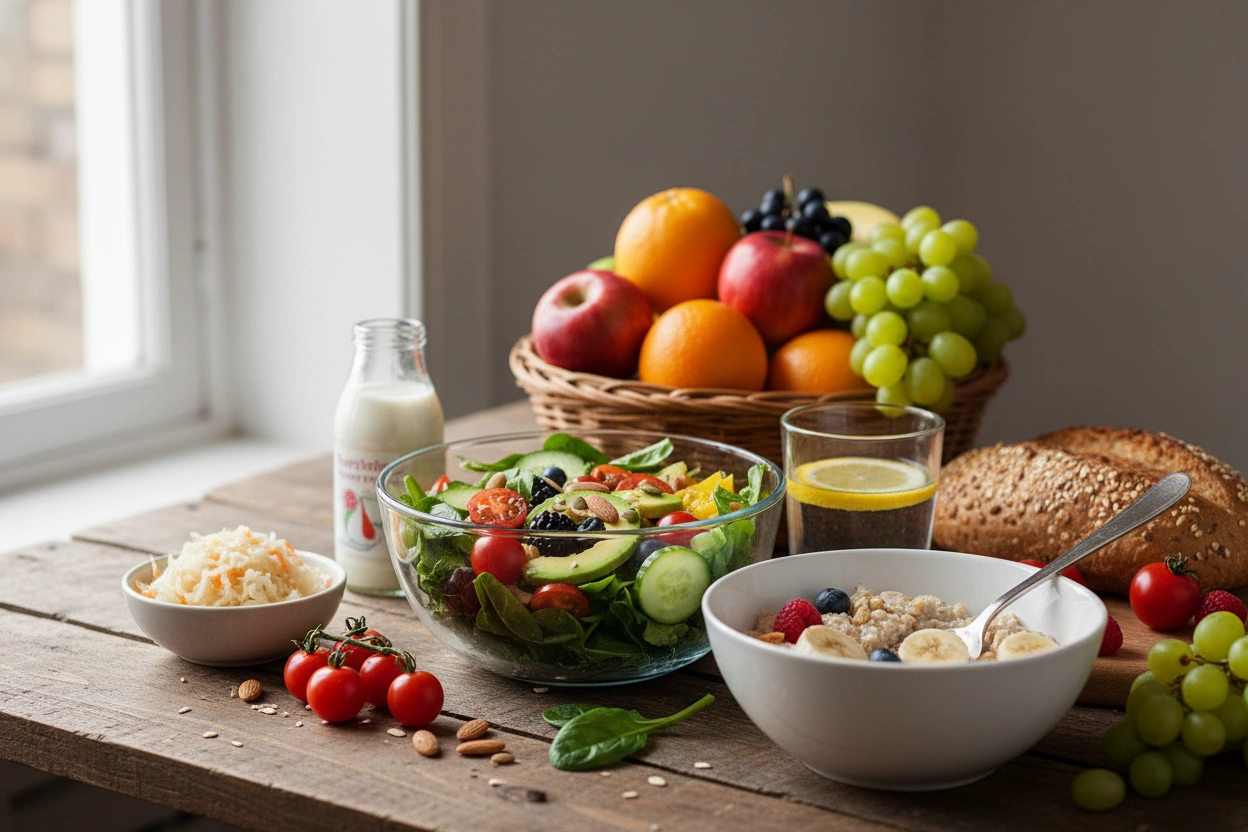
Digestive health refers to the optimal functioning of the digestive system, which includes the mouth, esophagus, stomach, intestines, liver, pancreas, and gallbladder. When these organs work harmoniously, they break down food effectively, absorb nutrients, and eliminate waste efficiently. Poor digestive health can lead to various issues, including bloating, constipation, diarrhea, and long-term complications like irritable bowel syndrome (IBS) or inflammatory bowel disease (IBD).
Maintaining digestive health is particularly important for those on medications like Ozempic, which can alter gastrointestinal motility and appetite. This medication slows down gastric emptying, which can lead to feelings of fullness. Therefore, meal planning becomes a crucial aspect of managing both weight and digestive comfort.
Key Components of Digestive Health
Fiber: Essential for healthy digestion, fiber helps regulate bowel movements and prevent constipation. High-fiber foods include fruits, vegetables, whole grains, and legumes.
Hydration: Adequate water intake is vital for digestive health. It aids in breaking down food and absorbing nutrients while also preventing constipation.
Probiotics and Prebiotics: These components support the growth of beneficial gut bacteria. Probiotics are found in fermented foods like yogurt, kefir, and sauerkraut, while prebiotics are in foods like garlic, onions, and bananas.
Creating a Digestive-Friendly Meal Plan
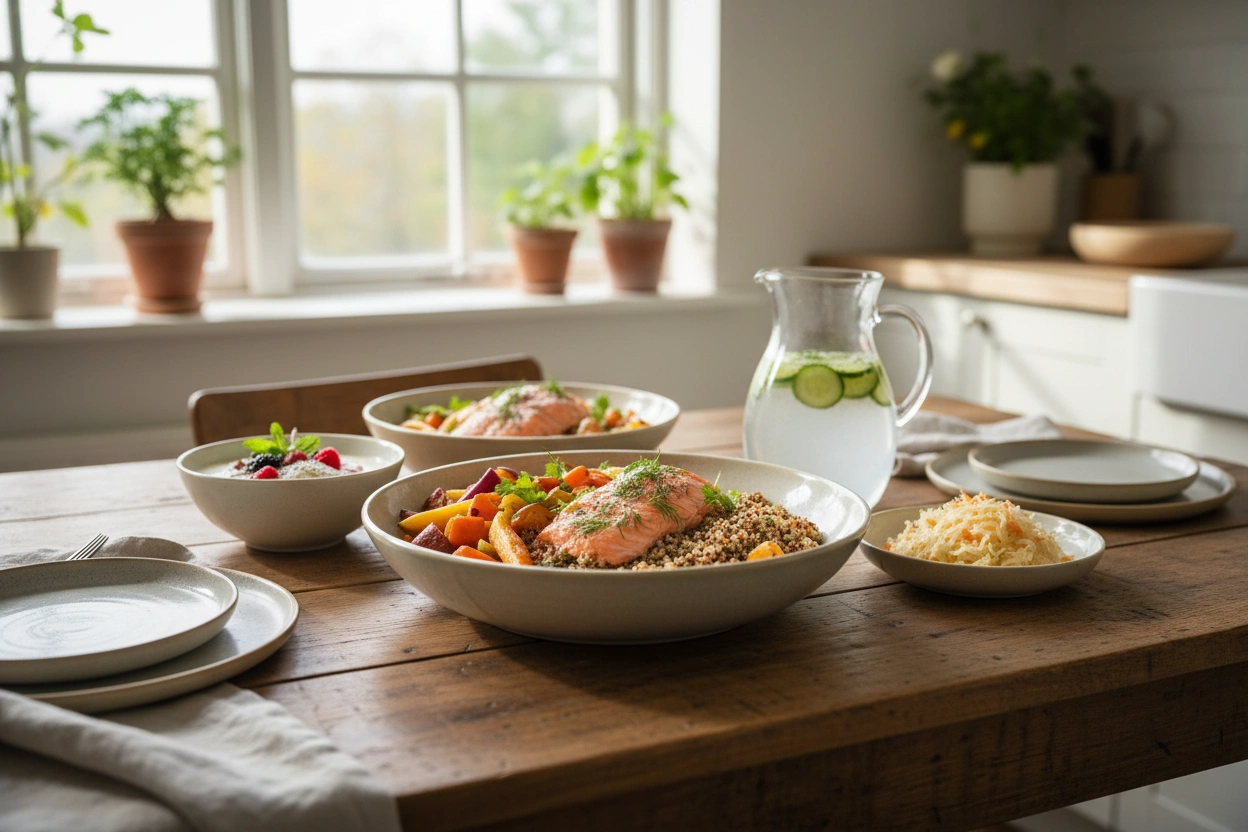
When creating a meal plan that complements the effects of Ozempic and promotes digestive health, consider the following steps:
Step 1: Assess Your Nutritional Needs
Before diving into specific foods, it’s essential to assess your nutritional requirements. This includes understanding how Ozempic affects your appetite and digestion. Consulting a healthcare professional or a registered dietitian can provide personalized insights.
Step 2: Focus on Balanced Meals
Balanced meals should consist of macronutrients: carbohydrates, proteins, and fats. Each meal should include:
- Lean Proteins: Such as chicken, fish, tofu, or legumes.
- Healthy Fats: Incorporate sources like avocados, nuts, and olive oil.
- Complex Carbohydrates: Opt for whole grains like quinoa, brown rice, and oats.
Step 3: Incorporate Digestive-Friendly Foods
Certain foods are particularly beneficial for promoting healthy digestion. Here are some top foods to include in your meal plan:
- Leafy Greens: Spinach, kale, and Swiss chard are rich in fiber and nutrients that support gut health.
- Berries: Blueberries, raspberries, and strawberries are high in antioxidants and fiber.
- Fermented Foods: Foods like kimchi, miso, and yogurt introduce beneficial bacteria to your gut.
- Ginger: Known for its digestive properties, ginger can help alleviate nausea and bloating.
- Oats: A great source of soluble fiber, oats can help regulate blood sugar and improve digestion.
Step 4: Plan Your Meals
Meal planning can help you stay on track. Here’s a simple framework to create a weekly meal plan:
- Breakfast: Overnight oats with berries and a dollop of yogurt.
- Lunch: Quinoa salad with leafy greens, chickpeas, and a lemon-tahini dressing.
- Snack: A small handful of nuts or an apple with almond butter.
- Dinner: Grilled salmon with steamed broccoli and sweet potatoes.
Step 5: Monitor Your Body's Response
After implementing your meal plan, it’s important to monitor how your body responds. Note any changes in digestion, energy levels, and appetite. Adjust your plan as necessary, focusing on foods that provide comfort and satisfaction.
Gut Health Tips for Enhanced Digestive Wellness
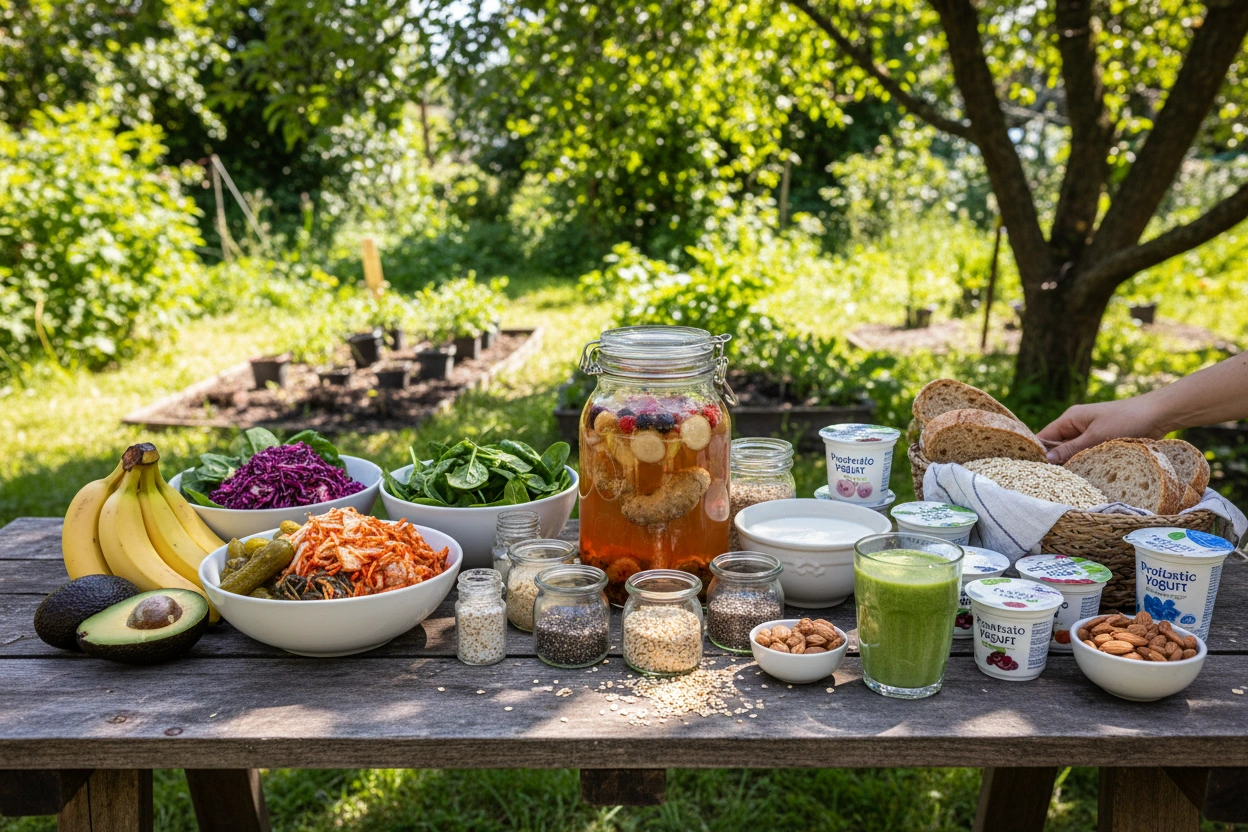
In addition to planning your meals, there are various gut health tips that can improve overall digestive health:
Stay Active
Regular physical activity can stimulate digestion and promote regular bowel movements. Aim for at least 150 minutes of moderate aerobic activity each week.
Manage Stress
Stress can significantly impact digestive health. Techniques such as mindfulness, yoga, and deep breathing can help reduce stress levels.
Avoid Processed Foods
Minimize the intake of processed foods, which often contain unhealthy fats, sugars, and additives that can disrupt gut health.
Get Adequate Sleep
Quality sleep is essential for overall health, including digestion. Aim for 7-9 hours of restful sleep each night.
Common Misconceptions About Digestive Health
Understanding digestive health also involves debunking some common misconceptions:
Myth: All fats are bad for digestion.
Fact: Healthy fats, such as those found in avocados and nuts, are essential for nutrient absorption and can promote digestive health.Myth: Eating more fiber is always better.
Fact: While fiber is important, too much too quickly can lead to bloating and discomfort. Gradually increase fiber intake while ensuring adequate hydration.Myth: You should avoid carbohydrates for better digestion.
Fact: Not all carbohydrates are created equal. Complex carbohydrates, such as whole grains, can be beneficial for digestive health. fiber benefits.
Top Foods for Promoting Healthy Digestion on Wegovy
When using medications like Ozempic or Wegovy, it's crucial to choose foods that align with the digestive changes induced by these treatments. Here’s a list of top foods that can help:
- Fermented Dairy: Foods like yogurt and kefir are rich in probiotics and can help maintain gut flora balance.
- High-Fiber Vegetables: Broccoli, Brussels sprouts, and carrots are excellent sources of dietary fiber that support digestion.
- Legumes: Beans and lentils are not only high in fiber but also provide plant-based protein.
- Whole Grains: Oats, barley, and whole wheat products are great sources of fiber that can aid digestion.
- Healthy Fats: Olive oil and fatty fish provide omega-3 fatty acids, beneficial for overall health.
Embracing a Holistic Approach to Digestive Health
A holistic approach to digestive health involves not only the foods you eat but also your lifestyle choices. Integrating physical activity, stress management, and sleep hygiene can significantly enhance your digestive well-being. By understanding how to create a meal plan that works with Ozempic, you can foster a healthier digestive system that supports your overall health goals.
The Intersection of Digestive Health and FlowWell
Navigating the complexities of digestive health while using medications like Ozempic can be challenging. However, with the right meal planning and lifestyle adjustments, you can enhance your digestive wellness. FlowWell — Finally Feel Good on Your GLP offers valuable resources and support to help you integrate these insights into your daily routine. By prioritizing your digestive health, you can experience improved comfort, energy levels, and overall well-being. healthy eating habits.
Take charge of your digestive health today. For more information on how to effectively manage your gut health while using medications like Ozempic, visit FlowWell — Finally Feel Good on Your GLP. Embrace a healthier lifestyle and discover the benefits of a well-balanced, digestive-friendly meal plan that aligns with your health goals.