How to Improve Digestive Health Naturally: Gut-Brain Connection Tips
Discover natural ways to improve digestive health and explore the gut-brain connection for better mood and emotional well-being.
How to Improve Digestive Health Naturally: Gut-Brain Connection Tips
Maintaining optimal digestive health is essential for overall well-being. The digestive system plays a crucial role in nutrient absorption, immune function, and even mental health. In recent years, research has increasingly highlighted the gut-brain connection, revealing how gut health can significantly influence mood, cognition, and emotional well-being. With the rise of dietary medications like Ozempic, which assists in weight management, many are looking for holistic approaches to enhance digestive health alongside pharmacological support. This comprehensive guide will delve into effective strategies to improve digestive health naturally, focusing on the intricate relationship between the gut and the brain.
Understanding Digestive Health
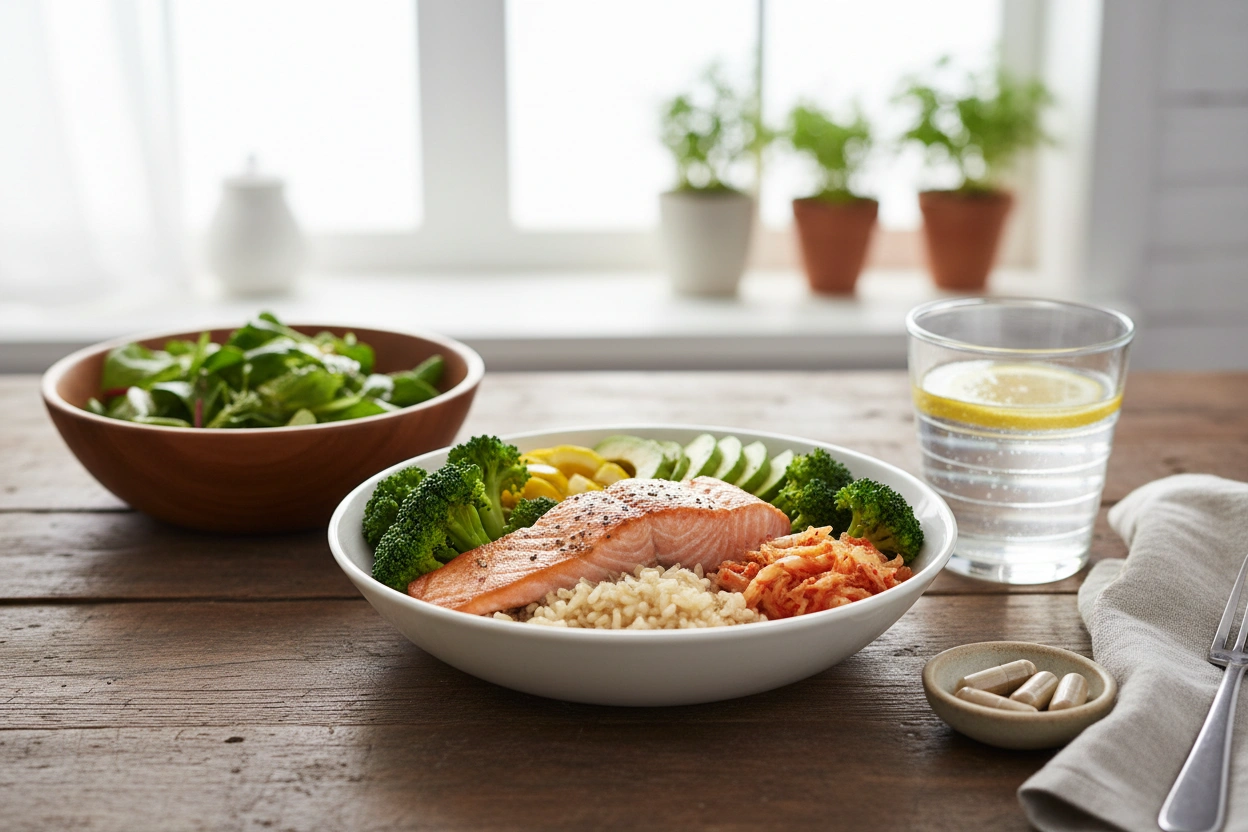
Digestive health refers to the proper functioning of the gastrointestinal (GI) tract, which includes the stomach, intestines, and other organs involved in digestion. A healthy digestive system ensures that food is broken down effectively, nutrients are absorbed, and waste is excreted without issues. The balance of gut microbiota—trillions of microorganisms residing in the gut—is vital for digestive health, influencing everything from digestion to immune response and mental health.
The Role of Gut Microbiota
Gut microbiota consists of bacteria, viruses, fungi, and other microorganisms that reside in the gastrointestinal tract. Research shows that a diverse microbiome is associated with better digestive health and overall well-being. Factors such as diet, lifestyle, and medication can significantly impact the composition of gut microbiota.
- A diet rich in fiber, fruits, and vegetables can promote a healthy microbiome.
- Probiotics and prebiotics can enhance gut flora diversity.
- Antibiotics, while necessary at times, can disrupt gut microbiota balance.
The Gut-Brain Connection
The gut-brain connection refers to the bidirectional communication between the gastrointestinal tract and the brain. This connection is facilitated by the vagus nerve and various biochemical signaling pathways. Stress, anxiety, and depression can adversely affect gut health, while a healthy gut can positively influence mental health.
- The gut produces neurotransmitters, including serotonin, which regulates mood.
- Stress management techniques can enhance digestive health.
- A healthy diet can improve mood and cognitive function.
Natural Strategies to Improve Digestive Health
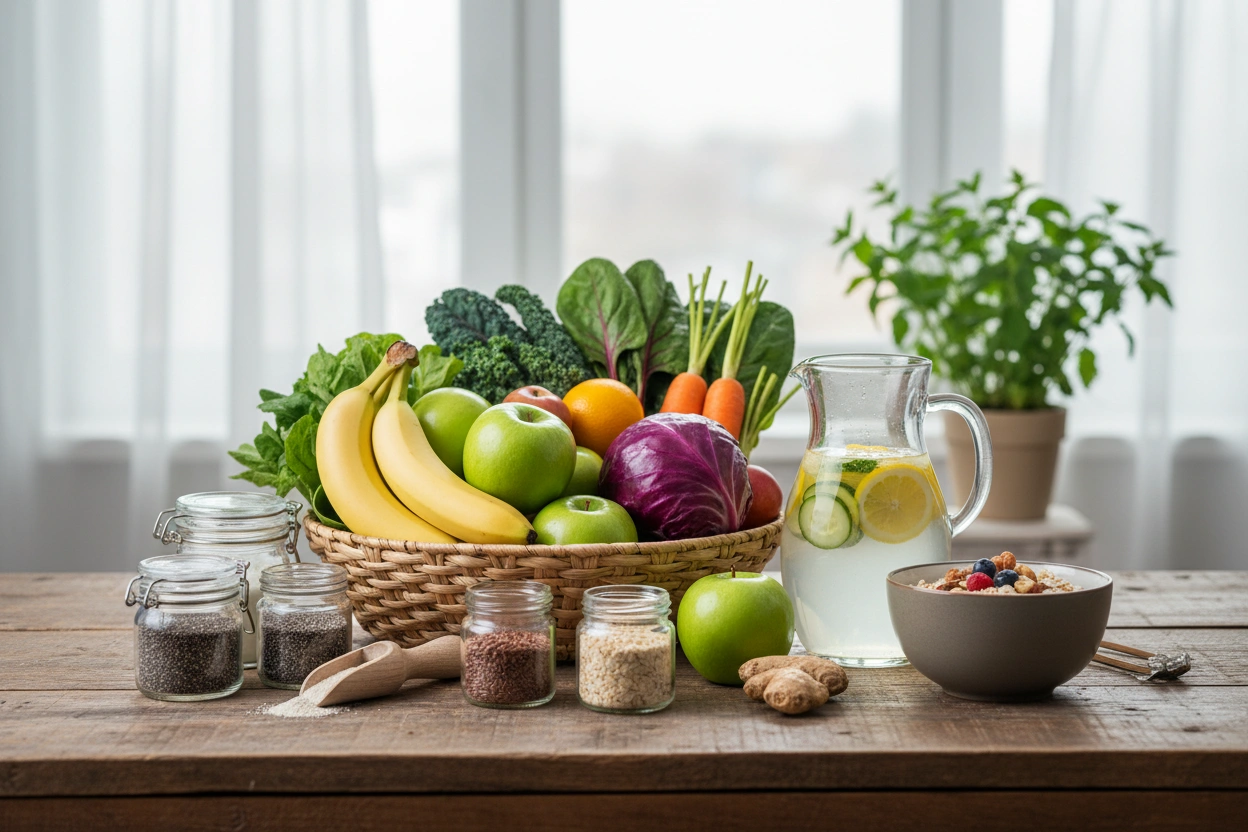
Improving digestive health naturally involves a multifaceted approach that includes dietary changes, lifestyle modifications, and mindful practices. Here are several effective strategies:
1. Adopt a Gut-Friendly Diet
A well-balanced diet rich in whole foods is foundational for digestive health. Consider incorporating the following:
- Fiber-Rich Foods: Include fruits, vegetables, legumes, and whole grains to promote regular bowel movements and support a healthy microbiome. Fiber is crucial for preventing constipation.
- Fermented Foods: Foods like yogurt, kefir, sauerkraut, and kimchi contain probiotics that can enhance gut health.
- Healthy Fats: Avocados, nuts, and olive oil support nutrient absorption and reduce inflammation.
2. Stay Hydrated
Adequate hydration is crucial for digestive health. Water aids in breaking down food, allowing for nutrient absorption. It also helps prevent constipation by softening stools.
- Aim for at least eight 8-ounce glasses of water daily.
- Herbal teas can also be beneficial for digestion.
3. Manage Stress
Chronic stress can have a detrimental impact on digestive health. Implementing stress management techniques can help restore balance to the gut-brain connection.
- Practice mindfulness through meditation or yoga.
- Engage in regular physical activity to alleviate stress.
- Ensure sufficient sleep to support overall health.
4. Incorporate Probiotics and Prebiotics
Probiotics are live microorganisms that can provide health benefits, while prebiotics are non-digestible fibers that feed beneficial gut bacteria. Both are essential for maintaining a balanced microbiome.
- Probiotics can be found in supplements and fermented foods.
- Prebiotic sources include garlic, onions, bananas, and asparagus.
5. Limit Processed Foods and Sugars
Processed foods and excessive sugars can negatively impact gut health by promoting the growth of harmful bacteria. Reducing these in your diet can help maintain a healthier gut.
- Focus on whole, unprocessed foods. Healthy eating habits can improve your digestive health.
- Read labels to avoid hidden sugars and additives.
A Complete Guide to Improving Digestive Health on Ozempic
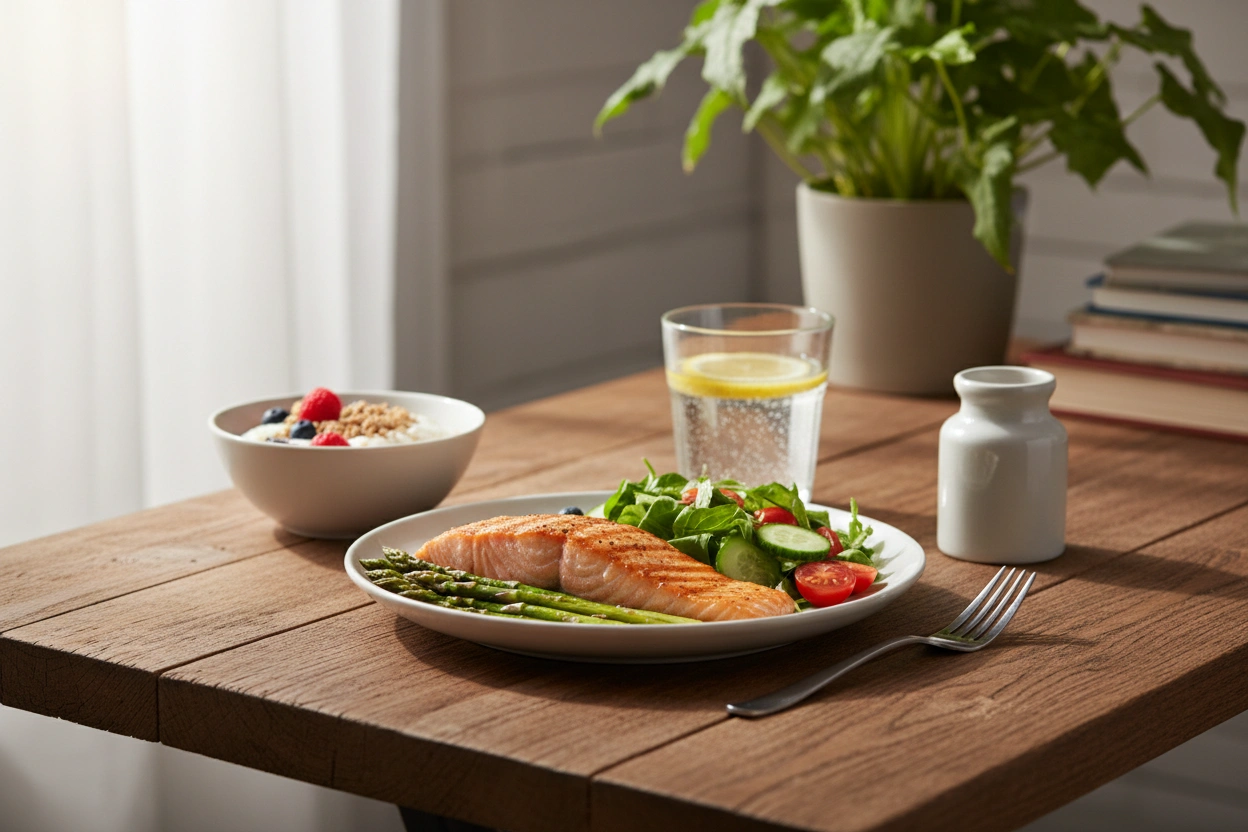
Ozempic is primarily used for weight management in individuals with type 2 diabetes. While it can be effective, it is essential to combine its use with strategies that support digestive health. Here are steps to follow:
1. Consult Your Healthcare Provider
Before starting any new regimen, consult your healthcare provider. They can provide personalized advice on how to integrate dietary changes with your Ozempic treatment plan.
2. Monitor Your Diet
While on Ozempic, it is crucial to monitor your dietary intake. Focus on nutrient-dense foods that promote satiety and support digestive health.
- Track your meals to ensure balanced nutrition.
- Include a variety of food groups to cover all essential nutrients.
3. Adjust Meal Timing
Ozempic can affect appetite and digestion. Adjusting meal timing and frequency can help optimize your digestive health.
- Consider smaller, more frequent meals to manage hunger.
- Allow adequate time between meals to enhance digestion.
4. Maintain Regular Physical Activity
Exercise is a key component of digestive health and can enhance the effectiveness of Ozempic. Regular physical activity helps stimulate digestion and can alleviate constipation.
- Aim for at least 150 minutes of moderate aerobic activity weekly.
- Include strength training exercises at least twice a week.
5. Monitor Side Effects
Some individuals may experience gastrointestinal side effects while on Ozempic. Keeping track of any adverse effects can help you and your healthcare provider make necessary adjustments.
- Record any symptoms and discuss them with your provider.
- Consider dietary adjustments if you experience nausea or bloating.
Common Misconceptions About Digestive Health
Understanding digestive health involves dispelling common misconceptions that can hinder effective management. Here are a few to consider:
Misconception 1: All Bacteria Are Harmful
Many people believe that bacteria in the gut are harmful. In reality, a balanced microbiome contains both beneficial and harmful bacteria, and maintaining that balance is key.
Misconception 2: Fiber Is Only for Constipation
While fiber is crucial for preventing constipation, it also plays a significant role in overall digestive health by promoting healthy gut bacteria.
Misconception 3: Digestive Health Is Not Related to Mental Well-Being
Many overlook the connection between gut health and mental well-being. The gut-brain connection shows that a healthy gut can enhance mood and cognitive function.
The Importance of Listening to Your Body
One of the most effective ways to improve digestive health is to listen to your body. Pay attention to how different foods affect your digestion, mood, and overall well-being. Keeping a food diary can help you identify triggers and make necessary adjustments.
- Note any discomfort or symptoms after meals.
- Experiment with elimination diets to identify food sensitivities.
The Intersection of Digestive Health and Overall Wellness
Improving digestive health has far-reaching effects on overall wellness. By focusing on the gut-brain connection and implementing natural strategies, individuals can enhance their quality of life. Recognizing the importance of a balanced diet, stress management, and physical activity creates a holistic approach to health.
At FlowWell — Finally Feel Good on Your GLP, we understand the importance of digestive health in achieving overall well-being. Our commitment to providing resources and support can help you navigate your health journey with confidence. If you are looking to enhance your digestive health naturally while utilizing medications like Ozempic, visit FlowWell — Finally Feel Good on Your GLP. Our insights and tips can guide you toward a healthier lifestyle. Don't hesitate to reach out for more information on how we can support you in your journey to better digestive health.