How to Incorporate Fiber-Rich Foods for Digestive Health Into Every Meal
Discover how to incorporate fiber-rich foods for digestive health into every meal for better digestion and overall well-being.
How to Incorporate Fiber-Rich Foods for Digestive Health Into Every Meal
In today's fast-paced world, maintaining a healthy digestive system is more critical than ever. One of the most effective ways to support digestive health is by incorporating fiber-rich foods into your daily meals. Fiber plays a vital role in digestion, weight management, and overall well-being. In this article, we will explore the various types of fiber, the benefits they offer, and how you can seamlessly integrate fiber-rich foods for digestive health into every meal.
Understanding Fiber and Its Importance
What Is Fiber?
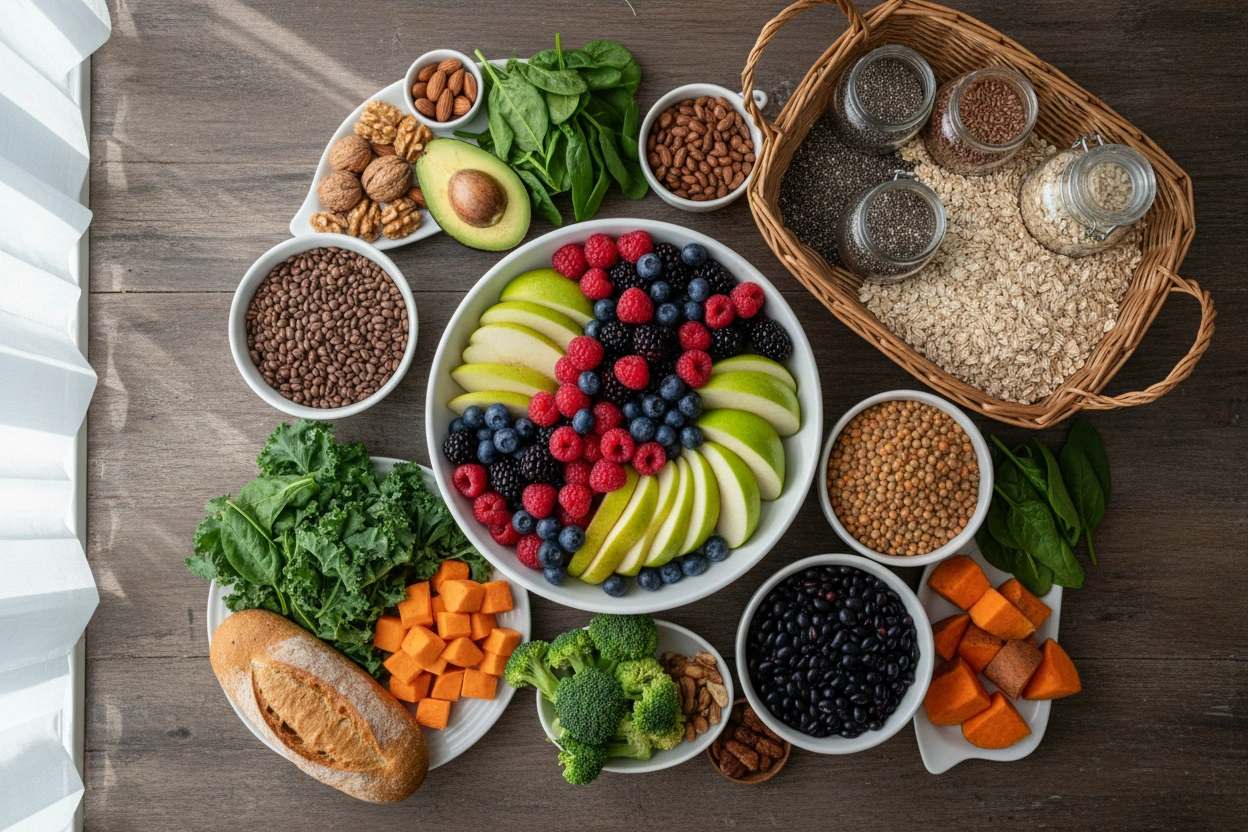
Fiber is a type of carbohydrate that the body cannot digest. Unlike other carbohydrates that break down into sugar molecules, fiber passes through the digestive system relatively intact. It is primarily found in plant-based foods and is divided into two main categories: soluble and insoluble fiber.
Soluble Fiber: This type dissolves in water and forms a gel-like substance in the digestive tract. It can help lower blood cholesterol and glucose levels. Foods high in soluble fiber include oats, beans, lentils, apples, and citrus fruits.
Insoluble Fiber: This type does not dissolve in water and adds bulk to the stool, helping to prevent constipation and promote regular bowel movements. Foods rich in insoluble fiber include whole grains, nuts, seeds, and the skins of many fruits and vegetables.
Why Is Fiber Essential for Digestive Health?
Incorporating fiber-rich foods into your diet is crucial for several reasons:
- Promotes Regularity: Fiber adds bulk to your stool, making it easier to pass and reducing the likelihood of constipation.
- Supports Gut Health: A high-fiber diet can promote the growth of beneficial gut bacteria, which play a key role in digestion and overall health.
- Aids in Weight Management: Foods high in fiber tend to be more filling, which can help control appetite and reduce overall calorie intake.
How Fiber Aids in Weight Loss and Digestive Health
The Role of Fiber in Weight Management
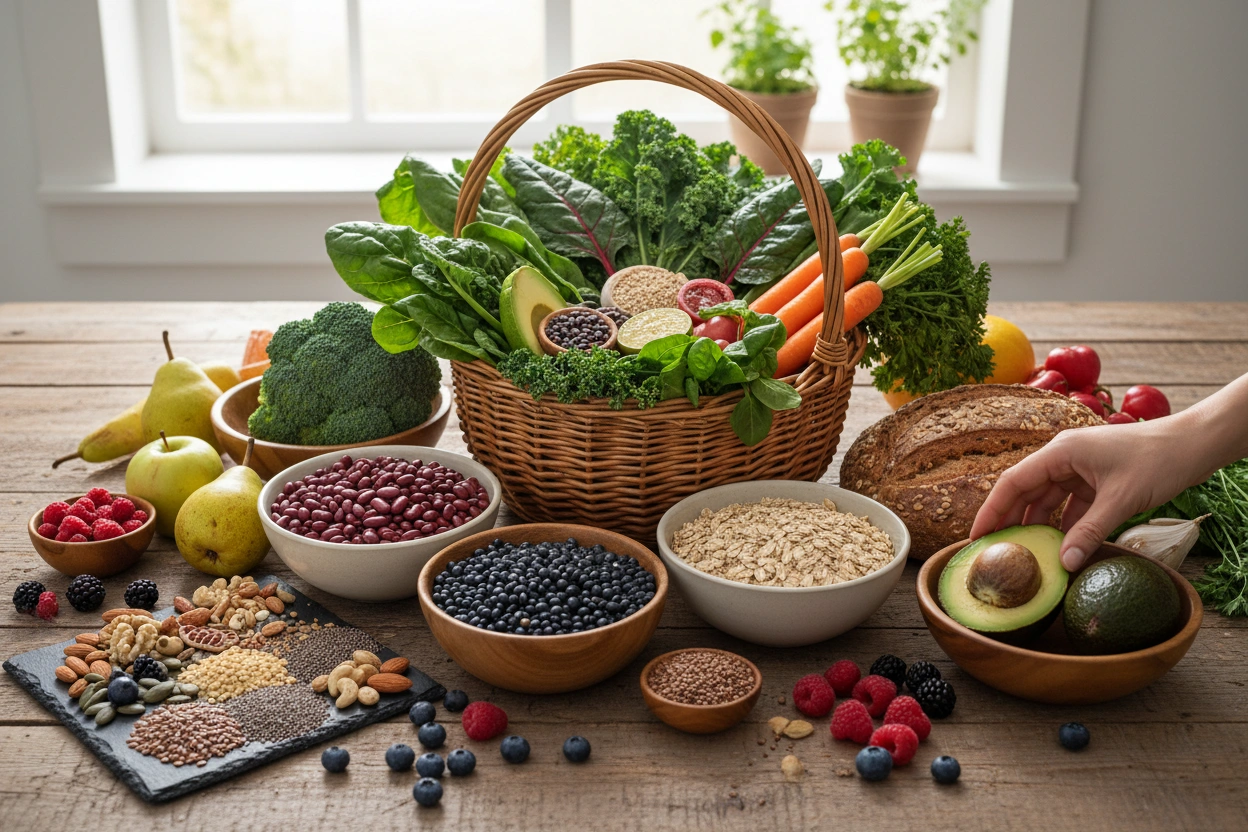
Fiber-rich foods are often lower in calories yet high in volume, making them excellent choices for anyone looking to manage their weight. When you consume fiber, it takes longer to chew and digest, which can lead to increased satiety. This means you are less likely to overeat or snack excessively throughout the day.
Additionally, fiber slows down the digestion of carbohydrates, leading to a more gradual release of glucose into the bloodstream. This can help regulate blood sugar levels and prevent cravings, making it easier to stick to a healthy eating plan.
Enhancing Digestive Health with Fiber
Fiber is instrumental in maintaining a healthy digestive system. It helps to:
- Prevent Constipation: By adding bulk to the stool and promoting regular bowel movements, fiber can significantly reduce the risk of constipation.
- Lower the Risk of Diverticular Disease: A high-fiber diet may help reduce the risk of developing diverticulosis, a condition characterized by small pouches in the colon.
- Improve Gut Microbiome: Fiber serves as food for beneficial gut bacteria, helping to maintain a balanced microbiome and support overall digestive health.
Practical Ways to Incorporate Fiber-Rich Foods Into Every Meal
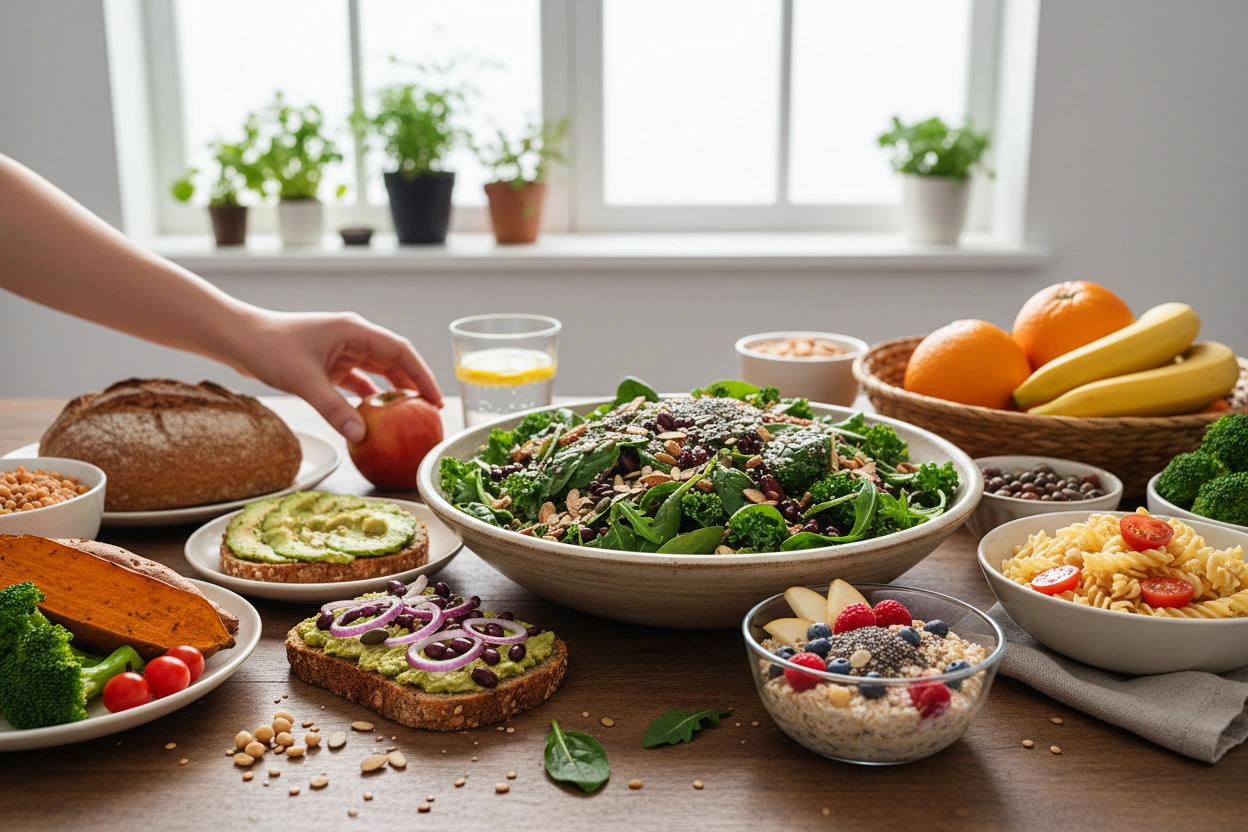
Incorporating fiber-rich foods for digestive health into your daily meals doesn't have to be complicated. Here are some actionable strategies to ensure you are getting enough fiber throughout the day:
Breakfast Ideas
- Oatmeal with Fruits and Nuts: Start your day with a bowl of oatmeal topped with berries and a sprinkle of nuts. This meal is high in soluble fiber and will keep you full until lunchtime.
- Smoothies: Blend leafy greens like spinach or kale with fruits, yogurt, and a tablespoon of chia seeds or flaxseeds for a fiber-packed breakfast.
- Whole Grain Toast: Opt for whole grain or sprouted bread topped with avocado and sliced tomatoes for a nutritious breakfast.
Lunch Options
- Salads: Create a hearty salad using a variety of colorful vegetables, legumes like chickpeas or black beans, and topped with a vinaigrette. This combination is rich in both soluble and insoluble fiber.
- Wraps: Use whole grain tortillas filled with hummus, vegetables, and lean protein. This is a great way to combine fiber-rich foods in a convenient, portable meal.
- Soups: Incorporate lentils or beans into your soups. A hearty vegetable and lentil soup can be both satisfying and high in fiber.
Dinner Dishes
- Quinoa or Brown Rice Bowls: Use quinoa or brown rice as a base and top with roasted vegetables, beans, and a light sauce for a fiber-rich dinner.
- Whole Wheat Pasta: Choose whole wheat pasta and add a variety of vegetables and a tomato-based sauce for a fiber-rich meal.
- Stir-Fries: Use a mix of colorful vegetables and tofu or chicken, served over brown rice or whole grain noodles.
Snacks
- Fruits and Vegetables: Snack on raw veggies with hummus or fresh fruit. Apples, pears, and carrots are excellent sources of fiber.
- Nuts and Seeds: A handful of almonds or sunflower seeds can provide a quick, fiber-rich snack.
- Popcorn: Air-popped popcorn is a whole grain and can be a satisfying, high-fiber snack when prepared without excessive butter or salt.
Common Mistakes to Avoid When Increasing Fiber Intake
Transitioning Too Quickly
One of the most common mistakes people make when trying to increase their fiber intake is doing so too rapidly. This can lead to gastrointestinal discomfort such as bloating, gas, and cramping. It is essential to gradually introduce fiber-rich foods into your diet and ensure you are drinking plenty of water to aid digestion. GLP-1 side effects relief.
Neglecting Hydration
Fiber works best when it absorbs water. If you increase your fiber intake without also increasing your fluid intake, you may experience constipation instead of relief. Aim for at least eight glasses of water a day, especially if you are consuming a high-fiber diet.
Ignoring Variety
While focusing on fiber-rich foods, it is crucial to include a variety of sources. Relying on a single type of fiber can lead to imbalances and may not provide all the digestive benefits that a diverse diet can offer. Incorporate both soluble and insoluble fiber sources for optimal health.
The Intersection of Fiber-Rich Foods and Overall Wellness
Incorporating fiber-rich foods for digestive health is not just about preventing constipation or aiding weight loss; it's about creating a sustainable, healthy lifestyle. A well-rounded diet rich in fiber can lead to improved energy levels, better mood regulation, and a stronger immune system. fiber-rich foods.
By making simple adjustments to your daily meals, you can reap the benefits of a high-fiber diet. Remember to focus on whole, unprocessed foods and gradually increase your fiber intake while staying hydrated. As you explore the benefits of fiber-rich foods for digestive health, consider how FlowWell — Finally Feel Good on Your GLP can assist you in your wellness journey. Our products are designed to complement your dietary choices and support your overall health, making it easier to incorporate the necessary nutrients into your lifestyle. Embrace the power of fiber and unlock the potential for a healthier, happier you.