How to Manage Digestive Health When Optimizing Protein on Weight Loss Meds
Discover how to manage digestive health while optimizing protein on weight loss meds. Effective strategies for a healthier diet await you.
How to Manage Digestive Health When Optimizing Protein on Weight Loss Meds
In the ever-evolving landscape of weight loss medications, understanding how to optimize protein intake is crucial for those looking to improve their overall health. With medications like Ozempic gaining popularity, users often seek ways to enhance their diets while ensuring their digestive health remains a priority. This article delves into effective strategies for optimizing protein on weight loss meds, particularly focusing on how to maintain digestive wellness, and highlights high-protein food recommendations tailored for Ozempic users.
The Importance of Protein in Weight Loss

Protein plays a pivotal role in weight loss, especially when combined with medications designed to assist in this journey. It aids in muscle preservation, satiety, and metabolic processes. When using weight loss medications, individuals may experience changes in appetite and digestion, making it imperative to focus on high-quality protein sources. This is particularly true for those using Ozempic, which is known to affect hunger cues and digestive health.
Benefits of Protein for Weight Loss
- Muscle Preservation: Maintaining muscle mass during weight loss is essential for metabolic health. A higher protein intake helps mitigate muscle loss, ensuring that weight loss comes primarily from fat stores.
- Satiety: Protein is known to promote feelings of fullness, which can help manage cravings and reduce overall caloric intake. This is particularly beneficial for those on weight loss meds, who may experience fluctuating hunger levels.
- Metabolic Boost: The thermic effect of food (TEF) indicates that protein requires more energy for digestion compared to fats or carbohydrates, which can enhance overall calorie expenditure.
Common Misconceptions about Protein Intake
Many individuals believe that increasing protein intake necessitates the consumption of large amounts of red meat or protein supplements. However, optimizing protein on weight loss meds can be achieved through a balanced approach that includes a variety of sources:
- Plant-Based Proteins: Lentils, beans, and quinoa are excellent sources that also provide fiber, aiding digestion.
- Lean Meats: Chicken, turkey, and fish offer high protein with lower fat content.
- Dairy and Alternatives: Greek yogurt and cottage cheese are protein-rich options that can be easily incorporated into meals.
Managing Digestive Health While Increasing Protein
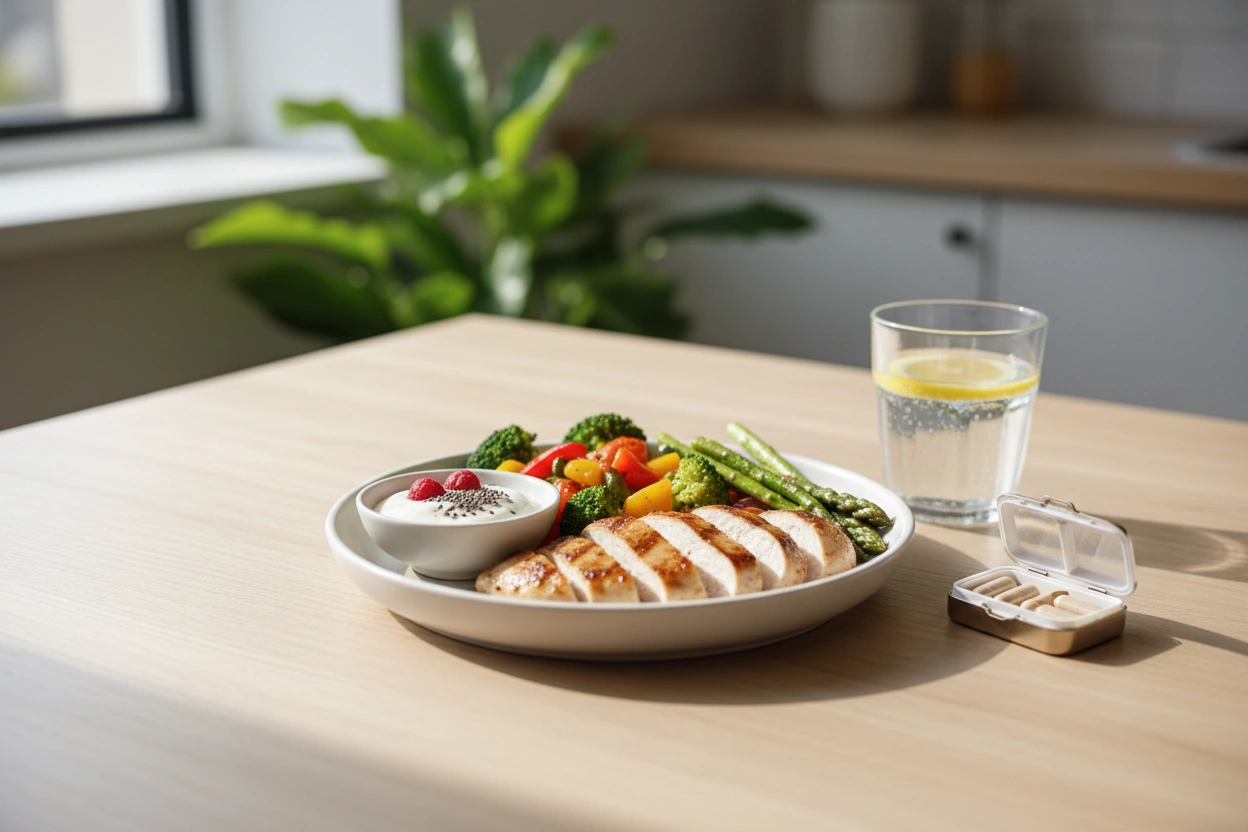
When optimizing protein on weight loss meds, digestive health can sometimes be compromised. It is essential to implement strategies that support digestion while increasing protein intake. Here are some key practices to consider:
Increase Fiber Gradually
A sudden increase in protein, especially from animal sources, can lead to digestive discomfort. To mitigate this, gradually incorporate fiber-rich foods alongside protein. This can help maintain digestive regularity and prevent issues such as bloating or constipation.
- Recommended Fiber Sources:
- Fruits (e.g., berries, apples)
- Vegetables (e.g., leafy greens, broccoli)
- Whole grains (e.g., oats, brown rice)
Stay Hydrated
Proper hydration is crucial when increasing protein intake. Protein metabolism requires water, and dehydration can exacerbate digestive issues. Aim to drink sufficient water throughout the day, especially when consuming higher protein levels.
Mindful Eating Practices
Eating slowly and mindfully can significantly enhance digestive health. This practice allows for better chewing, which aids in digestion and can improve satiety signals. Consider the following tips:
- Chew Thoroughly: Aim for 20-30 chews per bite, especially with protein-rich foods.
- Limit Distractions: Focus on meals without distractions such as television or mobile devices.
- Listen to Your Body: Pay attention to hunger and fullness cues to avoid overeating.
Top High-Protein Foods for Ozempic Users
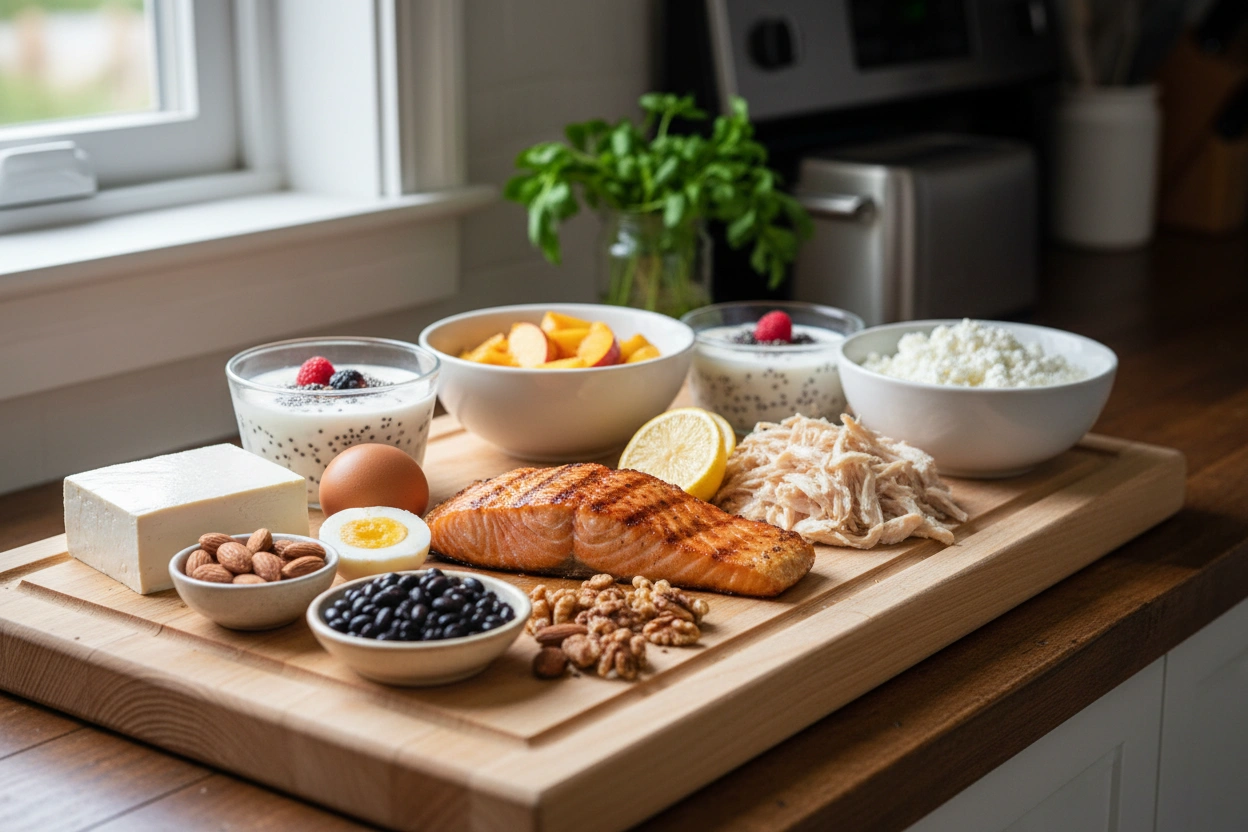
When optimizing protein on weight loss meds, particularly for those using Ozempic, selecting the right foods is essential. Here are some top high-protein foods that can support your dietary goals:
1. Lean Poultry
- Chicken Breast: A staple for many diets, chicken breast is low in fat and high in protein, making it an excellent choice for weight loss.
- Turkey: Similar to chicken, turkey provides a lean source of protein and can be used in various dishes.
2. Fish and Seafood
- Salmon: Rich in omega-3 fatty acids, salmon not only provides high protein but also supports heart health.
- Shrimp: Low in calories but high in protein, shrimp can be a versatile addition to salads and stir-fries.
3. Plant-Based Proteins
- Lentils: Packed with protein and fiber, lentils are an excellent option for vegetarians and can be added to soups or salads.
- Chickpeas: Versatile and nutritious, chickpeas can be used in salads, stews, or blended into hummus.
4. Dairy and Alternatives
- Greek Yogurt: This thick yogurt is high in protein and can be consumed as a snack or used in smoothies.
- Cottage Cheese: Low in fat and rich in protein, cottage cheese can be paired with fruits for a satisfying snack.
5. Eggs
- Whole Eggs: Nutrient-dense and versatile, whole eggs offer a complete protein source and can be prepared in numerous ways.
Common Mistakes to Avoid When Optimizing Protein
While optimizing protein on weight loss meds, individuals often encounter pitfalls that can hinder their progress. Here are some common mistakes to avoid:
Overlooking Portion Sizes
Even healthy proteins can contribute to excess calorie intake if portion sizes are not managed. It's essential to measure servings and maintain balance in your diet.
Neglecting Other Nutrients
Focusing solely on protein can lead to an unbalanced diet. Ensure that your diet includes healthy fats and carbohydrates, which are essential for overall health and energy.
Ignoring Personal Tolerance Levels
Each individual's digestive system is unique. Pay attention to how your body responds to different protein sources and adjust your intake accordingly. Some may find certain proteins easier to digest than others.
The Intersection of Protein, Weight Loss Medications, and Digestive Health
In the journey towards weight loss, understanding how to manage protein intake while on medications like Ozempic is essential for optimizing results. The balance between protein, fiber, and hydration can significantly influence digestive health, which in turn affects overall well-being.
As you explore these strategies for optimizing protein on weight loss meds, remember that FlowWell — Finally Feel Good on Your GLP can support your journey. By providing insights into nutrition and digestive health, FlowWell helps you navigate the complexities of weight loss medications effectively. dietary adjustments can empower you to make informed choices about your diet and health.
Take Control of Your Health Journey
Implementing these strategies can empower you to make informed choices about your diet and health. The right approach to protein intake not only supports weight loss goals but also fosters a healthy digestive system. make time for wellness while using weight loss medications, visit FlowWell — Finally Feel Good on Your GLP. Our resources are designed to help you feel your best on your weight loss journey.