How to Relieve GLP1 Constipation With Simple Lifestyle Changes
Discover what you can take for GLP1 constipation and learn effective lifestyle changes to manage this common side effect of GLP-1 medications.
How to Relieve GLP1 Constipation With Simple Lifestyle Changes
Constipation is a common side effect experienced by individuals taking GLP-1 receptor agonists, such as Ozempic. This class of medications is often prescribed for managing type 2 diabetes and weight loss, but the gastrointestinal side effects can be bothersome. Understanding what can i take for glp1 constipation is crucial for managing this condition effectively. In this comprehensive guide, we will explore practical lifestyle changes and dietary adjustments to alleviate constipation associated with GLP-1 medications.
Understanding GLP-1 and Its Effects on Digestion
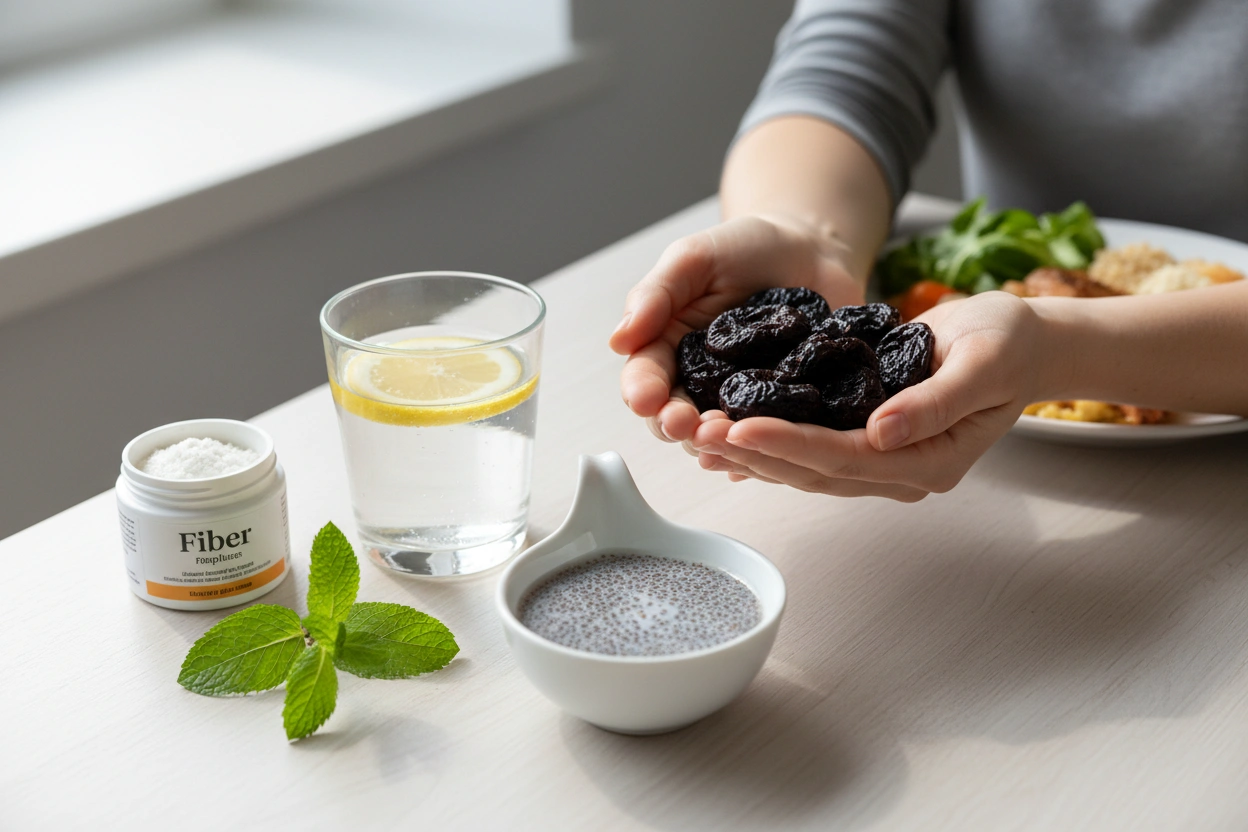
What is GLP-1?
GLP-1, or Glucagon-Like Peptide-1, is a hormone that plays a significant role in glucose metabolism. It stimulates insulin secretion, inhibits glucagon release, and slows gastric emptying. While these effects are beneficial for managing blood sugar levels, they can also lead to gastrointestinal issues, including constipation. The slowed gastric emptying can result in food remaining in the stomach longer, leading to discomfort and changes in bowel habits.
The Link Between GLP-1 Medications and Constipation
GLP-1 receptor agonists like Ozempic are designed to mimic the effects of the natural hormone. While they are effective in controlling blood sugar and aiding in weight loss, the side effects can be challenging. Many patients report constipation as a significant issue when starting these medications. Understanding this relationship is the first step in finding effective solutions to manage constipation.
Lifestyle Changes to Relieve Constipation
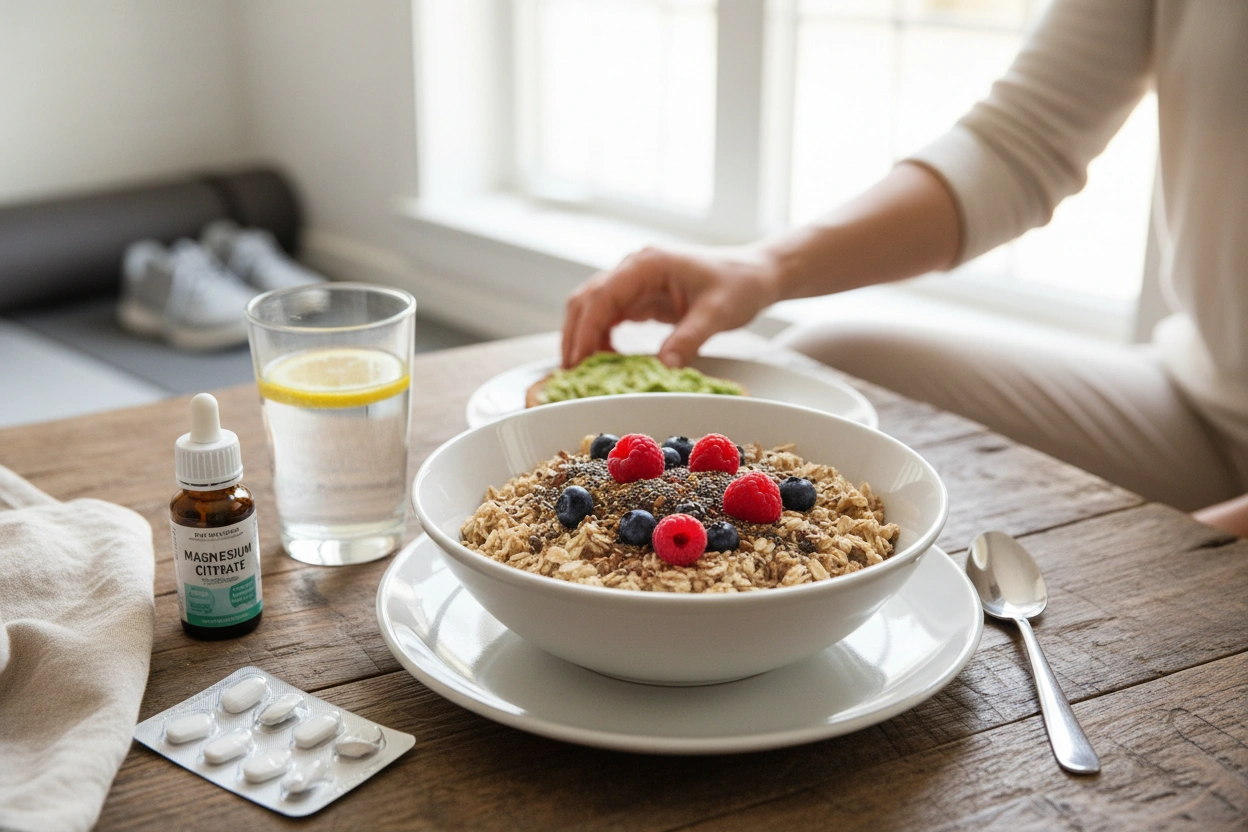
Dietary Adjustments
Diet plays a critical role in managing constipation. Here are several dietary changes that can help ease symptoms:
Increase Fiber Intake: Aim for at least 25-30 grams of fiber daily. Foods rich in fiber include:
- Whole grains (oats, brown rice)
- Fruits (apples, pears, berries)
- Vegetables (broccoli, carrots, leafy greens)
- Legumes (beans, lentils)
Stay Hydrated: Drinking sufficient water is essential for digestive health. Aim for at least 8-10 glasses of water daily, as adequate hydration helps fiber work effectively.
Limit Processed Foods: Processed foods often lack fiber and can exacerbate constipation. Reducing intake of fast food, sugary snacks, and white bread can improve bowel movements.
Physical Activity
Regular physical activity can stimulate digestion and promote regular bowel movements. Here are some recommendations:
- Engage in Aerobic Exercise: Activities like walking, jogging, or cycling can help stimulate bowel function.
- Incorporate Strength Training: Building muscle can enhance overall metabolism and improve digestive efficiency.
- Practice Yoga: Certain yoga poses can aid in stimulating the digestive system and relieving constipation.
Routine and Habits
Establishing a regular routine can significantly impact bowel health:
- Set a Schedule: Try to go to the bathroom at the same time each day. This can train your body to have regular bowel movements.
- Listen to Your Body: Don’t ignore the urge to go. Delaying can lead to harder stools and more discomfort.
- Create a Relaxing Environment: Sometimes, stress can inhibit bowel movements. Ensuring a calm and comfortable environment can help.
Over-the-Counter Solutions for GLP-1 Constipation Relief
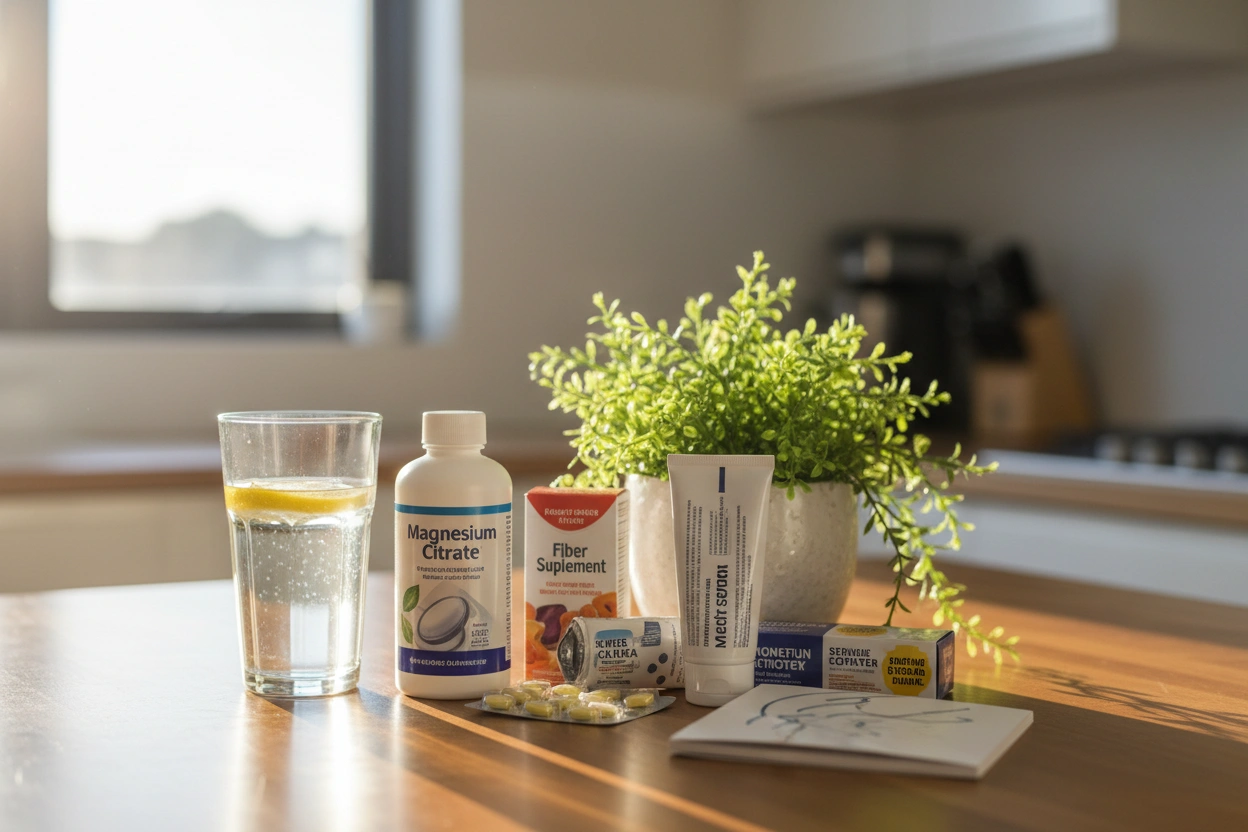
When lifestyle changes are insufficient, over-the-counter options may provide additional relief. Understanding what can i take for glp1 constipation can help you make informed choices. Here are some effective options:
Fiber Supplements
Fiber supplements can help increase your daily fiber intake without dramatically altering your diet. Common options include:
- Psyllium Husk: A natural soluble fiber that can help bulk up stools.
- Methylcellulose: A synthetic fiber that absorbs water and helps form softer stools.
Laxatives
If dietary changes are not effective, consider using laxatives as a temporary solution:
- Stool Softeners: These help add moisture to the stool, making it easier to pass. Docusate sodium is a common example.
- Osmotic Laxatives: Such as polyethylene glycol (MiraLAX), draw water into the intestines to soften stool.
- Stimulant Laxatives: These encourage bowel movements by stimulating the intestinal muscles. Senna and bisacodyl are common choices, but they should be used sparingly.
Probiotics
Probiotics can help maintain a healthy gut microbiome, which is essential for regular bowel movements. Foods rich in probiotics include:
- Yogurt with live cultures
- Kefir
- Sauerkraut
- Kimchi
Common Mistakes to Avoid
When addressing GLP-1 constipation, individuals often make certain mistakes that can worsen their condition. Being aware of these pitfalls is essential for effective management:
- Ignoring Symptoms: Many people dismiss early signs of constipation, leading to more severe discomfort later. Addressing symptoms early can prevent escalation.
- Over-reliance on Laxatives: While laxatives can provide relief, they should not be the first line of defense. Overuse can lead to dependency and worsen constipation in the long run.
- Inconsistent Fiber Intake: Rapidly increasing fiber intake can cause bloating and gas. It's essential to gradually introduce fiber-rich foods to allow your digestive system to adjust.
The Role of Hydration
Importance of Water
Staying hydrated is critical when managing constipation, especially when taking GLP-1 medications. Water helps dissolve fiber, allowing it to work effectively in the digestive system. Inadequate hydration can lead to harder stools, making them difficult to pass.
Tips for Staying Hydrated
- Carry a Water Bottle: Keeping a water bottle with you can serve as a reminder to drink throughout the day.
- Infuse Your Water: Adding fruits or herbs can make drinking water more enjoyable and encourage higher intake.
- Set Reminders: Use your phone or a hydration app to remind you to drink water at regular intervals.
Natural Remedies and Alternatives
In addition to lifestyle changes and over-the-counter options, there are various natural remedies that may help alleviate GLP-1 constipation:
- Warm Lemon Water: Drinking warm lemon water in the morning can stimulate the digestive system.
- Apple Cider Vinegar: Mixing a tablespoon of apple cider vinegar in water may help improve digestion and relieve constipation.
- Chia Seeds: These seeds expand in water, adding bulk to the stool and making it easier to pass.
Seeking Professional Help
If constipation persists despite making lifestyle changes and trying over-the-counter solutions, it may be time to consult a healthcare professional. Chronic constipation can lead to more severe issues, and a doctor can provide guidance on potential underlying conditions or alternative treatments.
When to See a Doctor
- If you experience severe abdominal pain or discomfort
- If there are changes in bowel habits lasting more than a few weeks
- If you notice blood in your stool
The Intersection of Lifestyle Changes and Gut Health
Making simple lifestyle changes can have a profound impact on managing constipation related to GLP-1 medications. From dietary adjustments to regular physical activity, small modifications can lead to significant improvements in digestive health. Understanding dietary adjustments is vital for effective management, and incorporating these strategies can help alleviate discomfort.
FlowWell — Finally Feel Good on Your GLP offers resources and support to help you navigate these changes. By prioritizing your gut health and implementing these strategies, you can take control of your well-being.
If you are looking for additional guidance or support, visit FlowWell — Finally Feel Good on Your GLP for more information and resources tailored to your needs.