Hydration Hacks to Amplify GLP-1 Side Effects Relief
Discover hydration hacks that can enhance GLP-1 side effects relief and improve your metabolic health. Learn effective strategies today!
Hydration Hacks to Amplify GLP-1 Side Effects Relief
Managing the side effects of GLP-1 medications can be a significant challenge for individuals seeking to improve their metabolic health. GLP-1 medications, which are often prescribed for weight management and type 2 diabetes, can lead to various side effects, including nausea, vomiting, and gastrointestinal discomfort. One of the most effective strategies for alleviating these side effects is proper hydration. In this article, we will explore the importance of hydration in managing GLP-1 side effects and provide actionable hydration hacks to enhance your relief.
The Importance of Hydration in Managing GLP-1 Side Effects
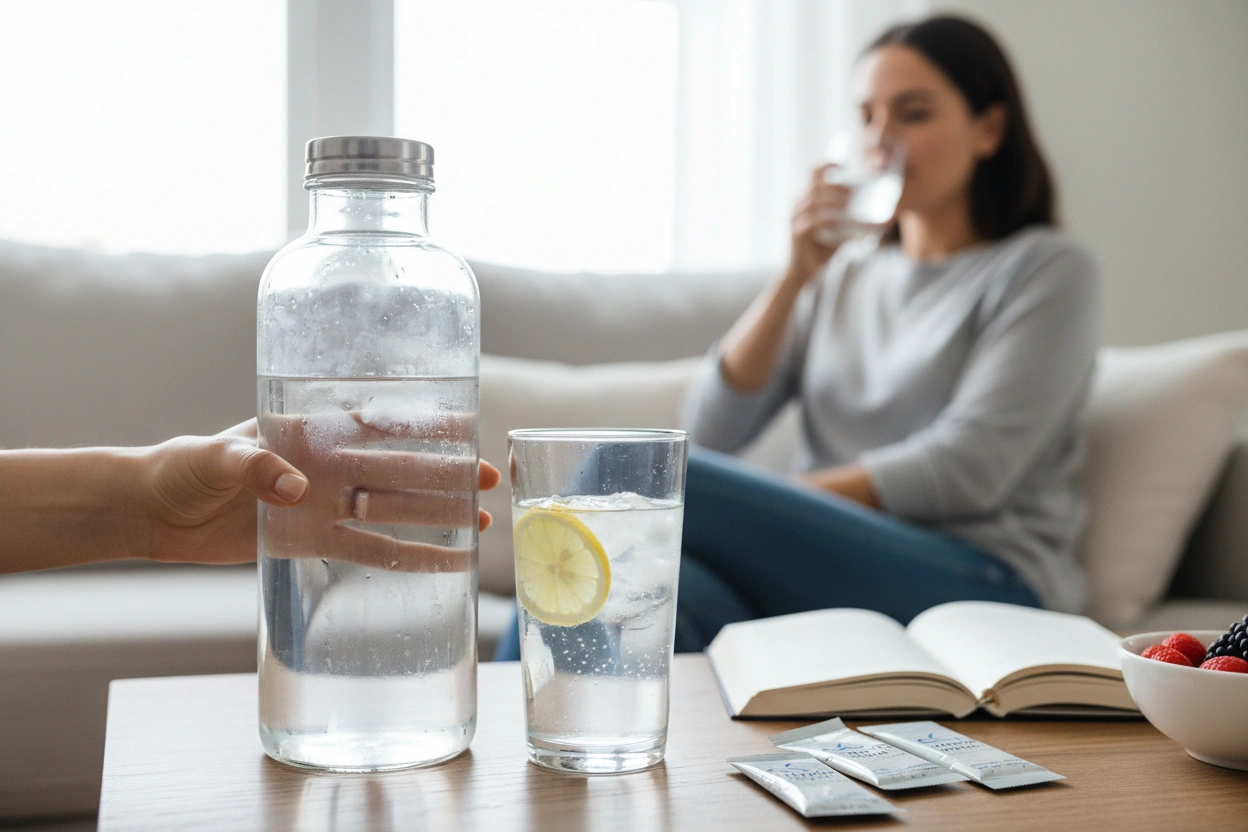
Hydration plays a critical role in overall health and well-being, particularly when dealing with the side effects of medications like GLP-1s. When the body is well-hydrated, it functions more efficiently, and this efficiency can help mitigate the discomfort associated with medication side effects. The gastrointestinal system, which can be particularly sensitive to GLP-1 medications, relies on adequate water intake to maintain healthy digestion and reduce symptoms like nausea. Moreover, dehydration can exacerbate side effects. For instance, insufficient hydration can lead to dry mouth, which may heighten nausea and make it more challenging to eat or drink, creating a cycle of discomfort. Understanding the connection between hydration and the relief of GLP-1 side effects is essential for anyone on these medications.
Key Benefits of Staying Hydrated
Staying hydrated offers several benefits that can directly impact the management of GLP-1 side effects:
- Improved Digestion: Adequate water intake helps the digestive system function smoothly, reducing the likelihood of constipation and other gastrointestinal issues.
- Enhanced Nutrient Absorption: Proper hydration aids in the absorption of nutrients, which is crucial for individuals on GLP-1 medications, as they may need to manage their dietary intake carefully.
- Reduced Nausea: Drinking enough water can help soothe the stomach and reduce feelings of nausea, making it easier to tolerate the medication.
Common Misconceptions About Hydration
Despite the clear benefits of hydration, there are several misconceptions that can lead individuals astray:
- Myth: You Only Need Water When Thirsty: Many people wait until they feel thirsty to drink water, but this can be too late. Thirst is often a sign that the body is already dehydrated.
- Myth: All Fluids Are Equal: While all fluids contribute to hydration, beverages high in sugar or caffeine can have a diuretic effect, leading to increased fluid loss.
- Myth: Hydration Is Only About Water: While water is the best choice for hydration, fruits and vegetables with high water content also contribute significantly to overall fluid intake.
Hydration Hacks for GLP-1 Side Effects Relief
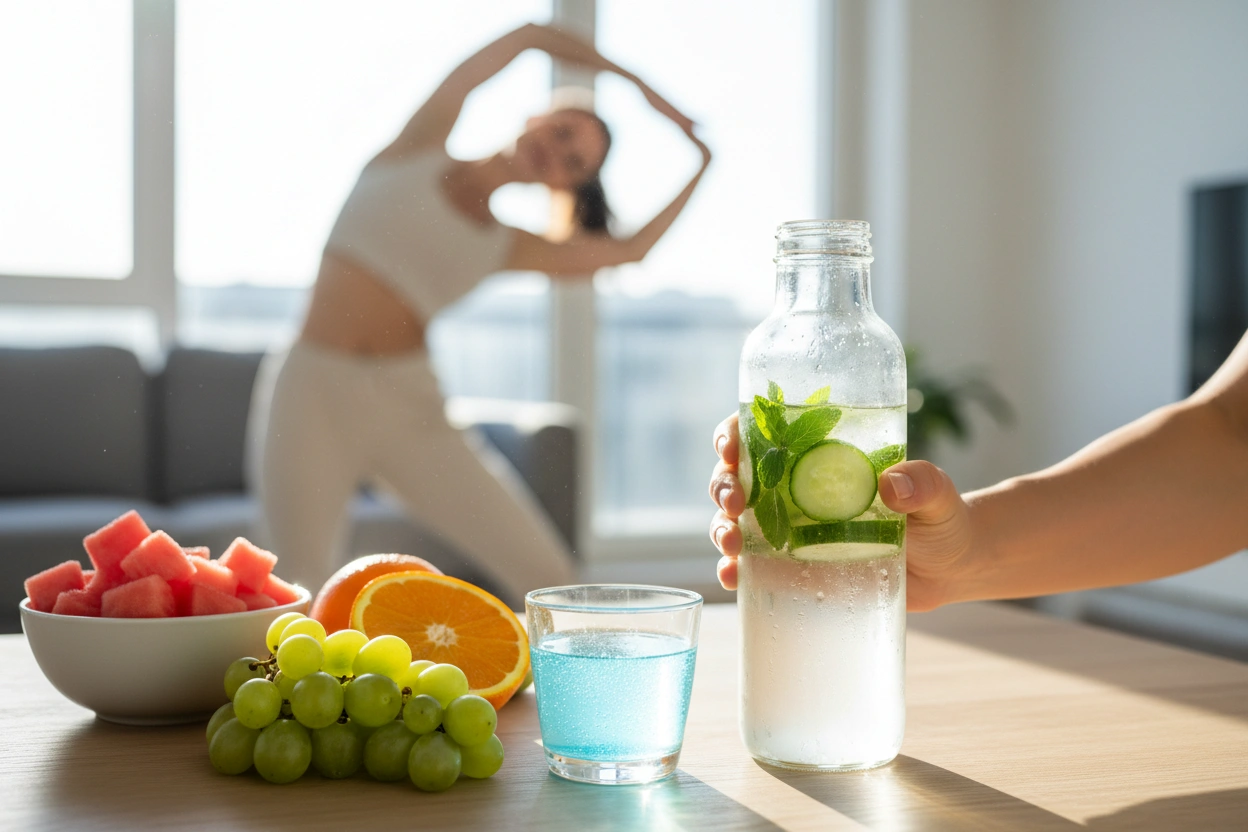
To effectively manage GLP-1 side effects through hydration, consider implementing the following hacks:
1. Start Your Day with Water
Beginning your day with a glass of water can kickstart your metabolism and help you stay on track with your hydration goals.
- Actionable Tip: Place a glass of water by your bedside table each night, so it’s the first thing you see in the morning.
2. Infuse Your Water
If plain water feels dull, infusing it with fruits, herbs, or vegetables can enhance flavor and make hydration more enjoyable.
- Popular Infusions:
- Lemon and mint for a refreshing taste
- Cucumber and basil for a spa-like experience
- Berries for a hint of sweetness
3. Set Reminders
In our busy lives, it can be easy to forget to drink water. Setting reminders can help ensure you stay hydrated throughout the day.
- Actionable Tip: Use smartphone apps or alarms to remind you to drink water at regular intervals.
4. Incorporate Hydrating Foods
Many fruits and vegetables have high water content and can contribute to your overall hydration levels.
- Hydrating Foods to Include:
- Watermelon
- Cucumber
- Strawberries
- Celery
5. Monitor Your Hydration
Keeping track of your daily water intake can help ensure you meet your hydration goals.
- Actionable Tip: Use a water tracking app or a simple journal to note your daily intake and stay accountable.
Medication Side Effect Management Strategies
In addition to hydration, managing the side effects of GLP-1 medications requires a holistic approach. Below are effective strategies to consider:
1. Gradual Dosage Adjustment
If you are experiencing severe side effects, consult with your healthcare provider about the possibility of adjusting your medication dosage.
- Why It Works: Gradual adjustments can allow your body to acclimate to the medication more comfortably.
2. Dietary Modifications
Certain foods can exacerbate gastrointestinal side effects. Pay attention to your diet and make necessary modifications.
- Foods to Avoid:
- High-fat meals
- Spicy foods
- Sugary snacks
3. Timing of Medication
Taking your medication at a specific time of day can make a difference in how well you tolerate it.
- Actionable Tip: Experiment with taking your medication at different times to see if it affects your side effects.
4. Engage in Light Physical Activity
Gentle exercise can aid digestion and help relieve feelings of nausea.
- Recommended Activities:
- Short walks
- Stretching exercises
- Yoga
5. Consult with Healthcare Professionals
Regular check-ins with your healthcare provider can ensure that your medication regimen is working effectively for you.
- Actionable Tip: Keep a journal of your side effects to discuss during your appointments.
The Role of Electrolytes in Hydration
While water is essential for hydration, electrolytes are equally important for maintaining fluid balance in the body. Electrolytes such as sodium, potassium, and magnesium play a crucial role in hydration and can help alleviate some of the side effects associated with GLP-1 medications.
Understanding Electrolyte Balance
Electrolytes are minerals that carry an electric charge, and they help regulate several bodily functions, including:
- Fluid Balance: Electrolytes help maintain the balance of fluids in and out of cells.
- Muscle Function: Proper electrolyte levels are essential for muscle contraction and function.
- Nerve Function: Electrolytes play a crucial role in transmitting nerve signals throughout the body.
Tips for Maintaining Electrolyte Balance
To ensure you maintain a healthy balance of electrolytes, consider these strategies:
- Include Electrolyte-Rich Foods: Foods such as bananas, avocados, nuts, and leafy greens are excellent sources of potassium and magnesium.
- Consider Electrolyte Drinks: Low-sugar electrolyte drinks can provide a convenient way to replenish lost minerals, especially after exercise or in hot weather.
- Stay Mindful of Sodium Intake: While sodium is necessary, excessive intake can lead to dehydration. Balance your sodium intake with other electrolytes.
Common Mistakes in Hydration Practices
While hydration seems straightforward, several common mistakes can hinder your efforts to achieve GLP-1 side effects relief:
1. Relying Solely on Thirst Cues
As previously mentioned, waiting until you are thirsty can lead to dehydration. Aim to drink water consistently throughout the day.
2. Ignoring the Signs of Dehydration
Recognizing early signs of dehydration, such as dark urine or fatigue, can help you take corrective actions before it worsens.
3. Overconsumption of Caffeinated Beverages
Caffeine can have a diuretic effect, leading to increased fluid loss. Moderation is key when it comes to caffeine consumption.
4. Skipping Hydration During Meals
Drinking water during meals can aid digestion. However, excessive amounts can dilute stomach acids. A moderate approach works best.
The Connection Between Hydration and Overall Well-Being
Proper hydration is not just about managing GLP-1 side effects; it is a cornerstone of overall health. Hydration impacts energy levels, cognitive function, and even mood. When you are adequately hydrated, you are more likely to feel energized and focused, which can enhance your ability to cope with medication side effects.
Hydration and Weight Management
For those using GLP-1 medications for weight management, hydration can play a pivotal role in controlling appetite and cravings. Drinking water before meals can help you feel fuller, potentially leading to reduced caloric intake.
Embracing a Hydration-Focused Lifestyle
To truly harness the benefits of hydration in managing GLP-1 side effects, it is crucial to adopt a hydration-focused lifestyle. This involves making hydration a priority and integrating it into your daily routine.
Tips for a Hydration-Focused Lifestyle
- Create a Hydration Schedule: Designate specific times throughout the day to drink water.
- Keep Water Accessible: Carry a reusable water bottle to ensure you always have water within reach.
- Make Hydration a Habit: Pair drinking water with other daily activities, such as meals or breaks.
The Intersection of Hydration and GLP-1 Side Effects Relief
In conclusion, hydration is a powerful ally in managing the side effects of GLP-1 medications. By understanding the critical role of water and electrolytes in your body, you can take proactive steps to alleviate discomfort and enhance your overall well-being. Incorporating the hydration hacks discussed in this article can lead to improved GLP-1 side effects relief, enabling you to focus on your health journey without the burden of medication-related challenges.
FlowWell — Finally Feel Good on Your GLP offers resources and support to help you navigate your GLP-1 medication journey effectively. By embracing hydration and implementing these strategies, you can optimize your health and well-being.
To learn more about how FlowWell — Finally Feel Good on Your GLP can assist you in achieving your health goals, visit our website or contact us today. Your path to improved health and comfort starts with understanding and managing your hydration needs effectively.