Managing GLP1 Constipation: Tips to Restore Gut Health
Learn effective tips for managing GLP-1 constipation and discover if GLP-1 constipation goes away with proper care and treatment.
Managing GLP-1 Constipation: Tips to Restore Gut Health
The emergence of GLP-1 receptor agonists as a treatment for conditions such as obesity and type 2 diabetes has garnered significant attention in recent years. However, one of the notable side effects associated with these medications is constipation. A common question that arises is, Does GLP-1 constipation go away? Understanding the implications of this side effect and how to manage it effectively is crucial for those undergoing treatment. This article delves into practical strategies to alleviate GLP-1 induced constipation, emphasizing the importance of gut health and hydration.
Understanding GLP-1 Receptor Agonists and Their Side Effects
GLP-1 receptor agonists are medications that mimic the incretin hormone GLP-1, which plays a vital role in regulating blood sugar levels. While these drugs can significantly aid in weight management and glycemic control, they are also linked to gastrointestinal side effects, including constipation. The mechanism behind this side effect is multifaceted, often involving slowed gastric emptying and altered gut motility.
The Mechanism of Constipation Induced by GLP-1
The primary mechanism behind GLP-1 receptor agonist-induced constipation relates to the drug's effect on the digestive system. By delaying gastric emptying, these medications can lead to an increased feeling of fullness but can also result in decreased bowel movement frequency. This can manifest as infrequent stools, difficulty in passing stools, or a sense of incomplete evacuation.
- Increased satiety may lead to reduced food intake, altering the normal rhythm of digestion.
- The slowing of gut motility can contribute to the hardening of stools, making them more challenging to pass.
Understanding this mechanism is essential for developing strategies to mitigate these effects and restore normal gut function.
Common Misconceptions About GLP-1 Induced Constipation
There are several misconceptions regarding GLP-1 induced constipation that can hinder effective management:
Misconception 1: Constipation is a temporary side effect that will resolve on its own.
Many individuals experience prolonged constipation, necessitating proactive management rather than passive waiting.Misconception 2: Increasing dietary fiber alone will resolve constipation.
While fiber is essential, it must be complemented by adequate hydration and physical activity to be effective.Misconception 3: All patients will experience constipation when taking GLP-1 receptor agonists.
The severity of gastrointestinal side effects varies significantly among individuals, and not everyone will encounter constipation.
By addressing these misconceptions, patients can adopt a more informed approach to managing their symptoms.
The Role of Hydration in Managing GLP-1 Side Effects
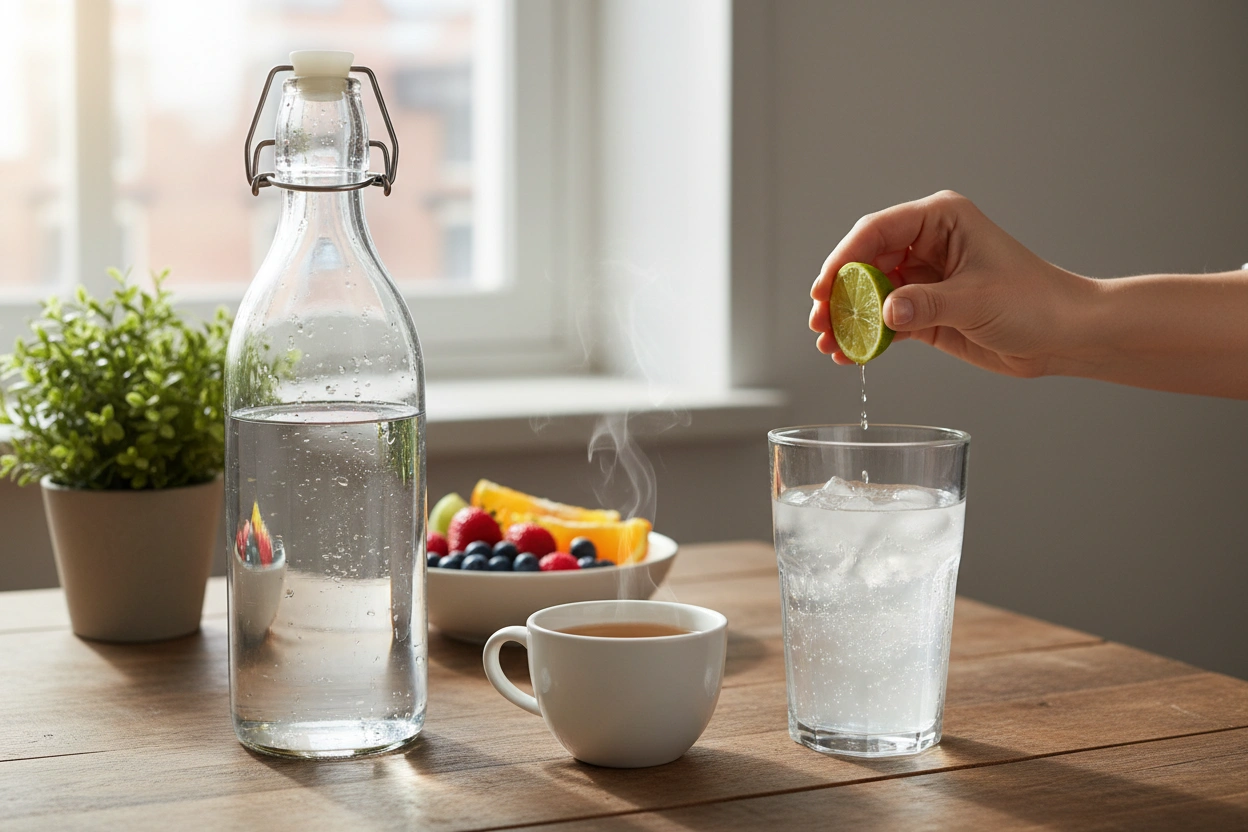
Hydration plays a pivotal role in digestive health, particularly for individuals experiencing constipation from GLP-1 receptor agonists. Water not only aids in digestion but also helps in softening stools, making them easier to pass.
How Hydration Affects Bowel Movements
Staying adequately hydrated is essential for maintaining optimal bowel function. Water facilitates the movement of food through the intestines and helps prevent dehydration of the stool. Here are some key points to consider regarding hydration:
- Fluid Intake: Aim for a minimum of 8-10 cups of water daily. This can vary based on individual needs, activity levels, and climate conditions.
- Signs of Dehydration: Monitor for symptoms such as dry mouth, decreased urine output, or dark-colored urine, which may indicate inadequate hydration.
Tips for Enhancing Hydration
Incorporating effective hydration strategies can significantly alleviate constipation. Consider the following tips:
- Start Your Day with Water: Begin each day by drinking a glass of water to kickstart your hydration.
- Infuse Flavor: If plain water is unappealing, try adding lemon, cucumber, or mint for a refreshing twist.
- Track Your Intake: Use a hydration app or journal to monitor your daily water consumption, ensuring you meet your goals.
By prioritizing hydration, individuals can experience improved digestive health and mitigate the side effects of GLP-1 receptor agonists.
Nutritional Strategies to Alleviate Constipation
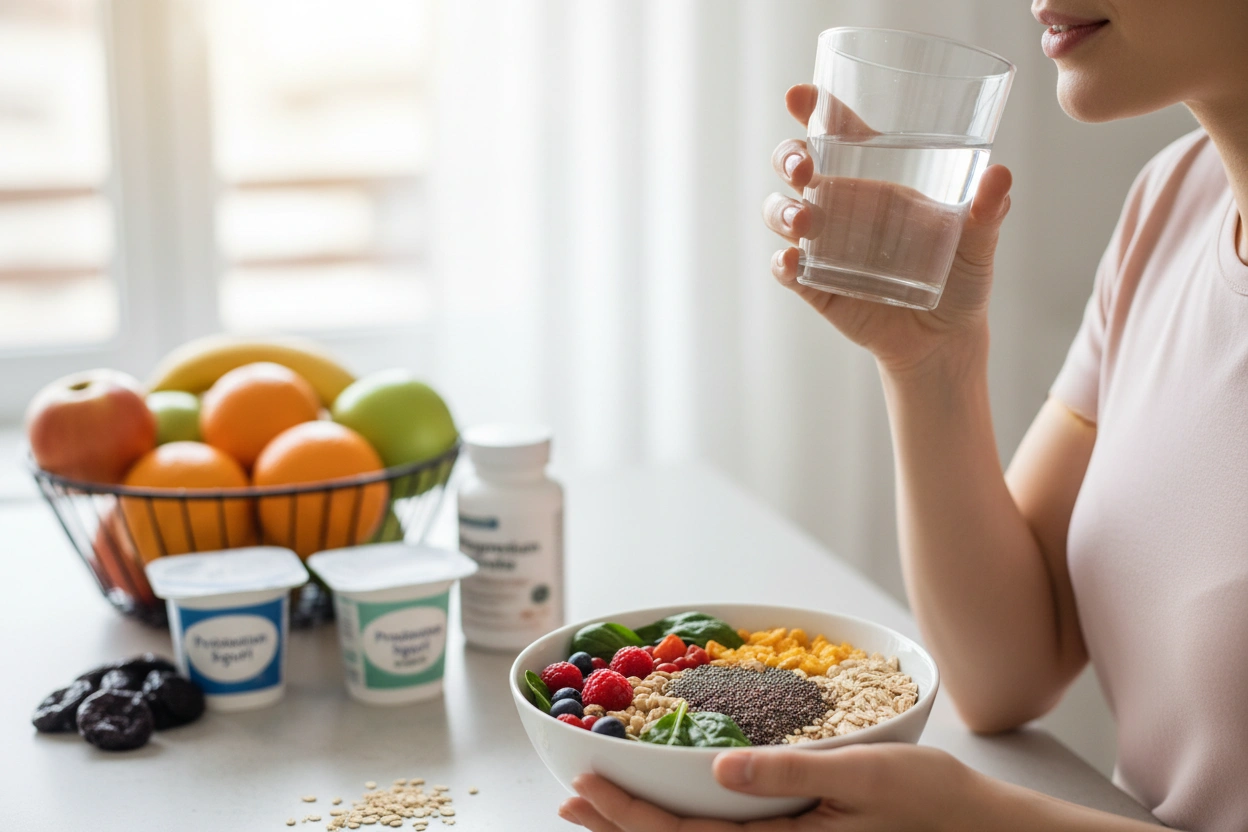
In addition to hydration, dietary choices can significantly impact gut health and help manage GLP-1 induced constipation. A balanced diet rich in fiber, healthy fats, and probiotics can promote regular bowel movements.
Fiber-Rich Foods to Include
Fiber is essential for maintaining regular bowel movements. It adds bulk to the stool and helps retain water, making it easier to pass. Here are some fiber-rich foods to incorporate into your diet:
- Whole grains (oats, quinoa, brown rice)
- Fruits (apples, pears, berries)
- Vegetables (broccoli, carrots, leafy greens)
- Legumes (beans, lentils, chickpeas)
Probiotics and Their Benefits
Probiotics are beneficial bacteria that can enhance gut health and improve bowel regularity. Foods rich in probiotics include:
- Yogurt and kefir
- Sauerkraut and kimchi
- Miso and tempeh
Incorporating these foods into your diet can help restore balance to your gut microbiome, potentially alleviating constipation.
Physical Activity and Its Impact on Gut Health
Regular physical activity is another crucial component in managing constipation. Exercise can stimulate gut motility and promote regular bowel movements.
Recommended Types of Exercise
Engaging in various forms of exercise can enhance digestive health. Consider the following activities:
- Aerobic Exercise: Activities like walking, running, or cycling can stimulate intestinal activity.
- Strength Training: Resistance exercises can enhance overall body function, including digestive health.
- Yoga: Certain yoga poses can promote relaxation and stimulate bowel movements.
Creating an Exercise Routine
Incorporating exercise into your daily routine doesn't have to be daunting. Here are some steps to get started:
- Set Realistic Goals: Aim for at least 150 minutes of moderate-intensity exercise per week.
- Find Activities You Enjoy: Choose exercises that you find enjoyable to increase adherence.
- Incorporate Movement Throughout the Day: Take the stairs instead of the elevator or go for short walks during breaks.
By integrating physical activity into your lifestyle, you can enhance your gut health and mitigate constipation associated with GLP-1 receptor agonists.
When to Seek Professional Help
While managing GLP-1 induced constipation through hydration, diet, and exercise is effective for many, there are instances when professional intervention is necessary.
Signs That Require Medical Attention
If you experience any of the following symptoms, it is crucial to consult a healthcare provider:
- Severe abdominal pain or cramping
- Blood in stools
- Unexplained weight loss
- Prolonged constipation lasting more than a week
Discussing Options with Your Healthcare Provider
When consulting with a healthcare provider, be prepared to discuss your symptoms in detail. They may recommend:
- Adjustments to your current GLP-1 medication
- Laxatives or stool softeners
- Referral to a gastroenterologist for further evaluation
Being proactive in seeking help can prevent complications and ensure that your digestive health is prioritized.
The Intersection of GLP-1 Management and Gut Health
In conclusion, addressing the question, managing GLP-1 induced constipation is vital for those experiencing this side effect. Through a combination of hydration, dietary strategies, physical activity, and professional guidance, individuals can effectively manage their symptoms and restore gut health.
FlowWell — Finally Feel Good on Your GLP is committed to supporting individuals on their journey towards better digestive health. By integrating these strategies into your routine, you can alleviate constipation and enhance your overall well-being.
For more information on managing GLP-1 induced constipation and improving your gut health, visit FlowWell — Finally Feel Good on Your GLP. Prioritize your health today and take the first step towards feeling your best!