Managing GLP1 Constipation: When Will Relief Finally Happen?
Struggling with GLP-1 constipation? Discover effective strategies and tips to manage this side effect and find relief.
Managing GLP1 Constipation: When Will Relief Finally Happen?
The advent of GLP-1 receptor agonists, such as Ozempic, has transformed the landscape of diabetes and weight management. However, a common side effect associated with these medications is constipation, leading many to wonder: does GLP-1 constipation go away? This article aims to provide comprehensive insights into managing GLP-1-induced constipation, exploring dietary tips, lifestyle modifications, and other strategies that can aid in alleviating this uncomfortable condition.
Understanding GLP-1 and Its Side Effects
What Are GLP-1 Receptor Agonists?
GLP-1 receptor agonists are medications that mimic the action of the glucagon-like peptide-1 hormone. They play a critical role in regulating blood sugar levels by enhancing insulin secretion, inhibiting glucagon release, and slowing gastric emptying. While these drugs are effective in managing type 2 diabetes and obesity, they come with a range of side effects, including nausea, vomiting, and constipation.
The Mechanism Behind Constipation
The constipation associated with GLP-1 medications like Ozempic is primarily due to their effect on gastric motility. By slowing down gastric emptying, these drugs can lead to a delayed transit time through the intestines, resulting in harder, drier stools that are more difficult to pass. Understanding this mechanism is crucial for implementing effective management strategies.
Does GLP1 Constipation Go Away?
Duration of Constipation Symptoms
One of the most pressing concerns for individuals on GLP-1 medications is whether the constipation will resolve over time. For many, this side effect may improve as the body adjusts to the medication. Studies indicate that gastrointestinal side effects often diminish within a few weeks of continued use, but this is not universal. Some individuals may experience prolonged constipation, necessitating intervention.
Factors Influencing Constipation Persistence
Several factors can influence the duration and severity of constipation in patients taking GLP-1 receptor agonists:
- Dosage: Higher doses can exacerbate constipation.
- Duration of Use: Long-term users may experience different gastrointestinal effects compared to short-term users.
- Individual Variability: Each person’s digestive system reacts differently to medications.
- Dietary Habits: A diet low in fiber can worsen constipation.
Understanding these factors can help individuals anticipate and manage their symptoms more effectively.
Top Dietary Tips to Alleviate Constipation from GLP-1 Drugs
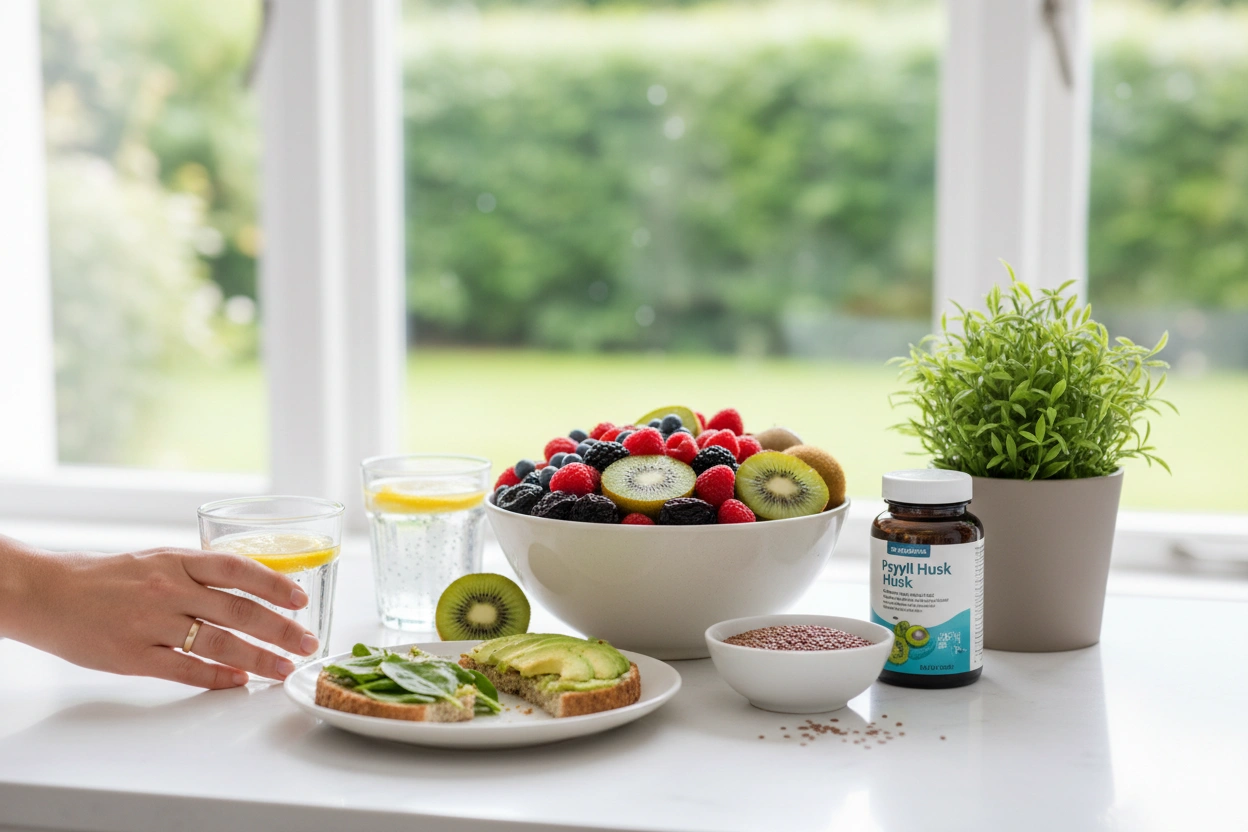
Diet plays a vital role in managing constipation. Here are essential dietary tips to help alleviate symptoms associated with GLP-1 medications:
Increase Fiber Intake
A high-fiber diet can significantly improve bowel movements. Fiber adds bulk to the stool and helps retain water, making it easier to pass. Here are some fiber-rich foods to include:
- Whole grains (e.g., oats, brown rice)
- Fruits (e.g., apples, pears, berries)
- Vegetables (e.g., broccoli, carrots, leafy greens)
- Legumes (e.g., beans, lentils)
Aim for at least 25-30 grams of fiber per day. Gradually increase fiber intake to prevent gas and bloating.
Stay Hydrated
Adequate hydration is essential for preventing constipation. Water helps soften stools and promotes regular bowel movements. Aim for:
- At least 8-10 cups of water daily.
- Herbal teas or clear broths as alternatives for hydration.
- Reducing caffeine and alcohol intake, as they can lead to dehydration.
Incorporate Probiotics
Probiotics can help restore gut health and improve digestion. Foods rich in probiotics include:
- Yogurt
- Kefir
- Sauerkraut
- Kimchi
Incorporating these foods into your diet can support a healthy gut microbiome, potentially easing constipation.
Limit Constipating Foods
Certain foods can exacerbate constipation, especially when consumed in excess. Limit intake of:
- Processed foods high in fat and sugar
- Dairy products (for some individuals)
- Red meat
Being mindful of these foods can help mitigate constipation symptoms.
Lifestyle Modifications for Managing Constipation
In addition to dietary changes, certain lifestyle modifications can also aid in alleviating constipation:
Regular Exercise
Physical activity stimulates intestinal motility and can help prevent constipation. Aim for:
- At least 150 minutes of moderate-intensity aerobic activity each week.
- Strength training exercises at least twice a week.
Incorporating activities like walking, cycling, or yoga can make a significant difference.
Establish a Routine
Creating a regular bowel routine can help train your body to have more consistent bowel movements. Consider:
- Setting aside time each day for bowel movements, preferably after meals.
- Allowing yourself enough time and privacy to relax.
This routine can help establish a pattern, making it easier for your body to respond.
Manage Stress
Stress can have a profound impact on digestion. Techniques to manage stress include:
- Mindfulness and meditation
- Deep breathing exercises
- Engaging in hobbies and social activities
Finding effective ways to cope with stress can improve overall gut health. make time for wellness.
Common Misconceptions About GLP-1 and Constipation
"Constipation is Inevitable with GLP-1 Medications"
While constipation is a common side effect of GLP-1 medications, it is not inevitable. Many individuals experience varying degrees of gastrointestinal discomfort, and some may find relief through dietary and lifestyle adjustments. It is essential to communicate with healthcare providers about any persistent symptoms.
"All Fiber is Created Equal"
Not all fiber sources are equal. Soluble fiber, found in foods like oats and apples, can help retain water in the stool, while insoluble fiber, found in whole grains and vegetables, adds bulk. A balanced intake of both types of fiber is crucial for optimal digestive health.
When to Seek Medical Advice
If constipation persists despite dietary and lifestyle modifications, it may be time to consult a healthcare professional. Signs that warrant medical attention include:
- Severe abdominal pain
- Blood in the stool
- Inability to pass stool for several days
- Unexplained weight loss
Your healthcare provider can assess your situation and may recommend additional treatments or adjustments to your GLP-1 therapy.
The Intersection of Managing GLP-1 Constipation and FlowWell
In conclusion, managing GLP-1 constipation is a multifaceted approach that includes understanding the medication's effects, making dietary adjustments, and adopting lifestyle changes. While many individuals may wonder, does GLP-1 constipation go away, the answer often depends on personal factors and proactive management strategies.
FlowWell — Finally Feel Good on Your GLP can support you in navigating these challenges, offering tailored advice and solutions to help you feel your best. For more insights and personalized assistance, visit FlowWell — Finally Feel Good on Your GLP today.