Managing Side Effects of GLP-1 Medications: Practical Solutions
Discover practical solutions for managing side effects of GLP-1 medications to enhance diabetes and obesity treatment outcomes.
Managing Side Effects of GLP-1 Medications: Practical Solutions
The advent of GLP-1 medications has revolutionized the management of diabetes and obesity, offering patients new hope and effective solutions for weight management and glucose control. However, like any medication, GLP-1 medications can come with their own set of side effects, which can vary in severity and impact. Understanding how to manage these side effects is crucial for individuals looking to maximize the benefits of their treatment while minimizing discomfort. This article provides a comprehensive guide on practical solutions for managing the side effects of GLP-1 medications, along with health tips for GLP-1 users.
Understanding GLP-1 Medications
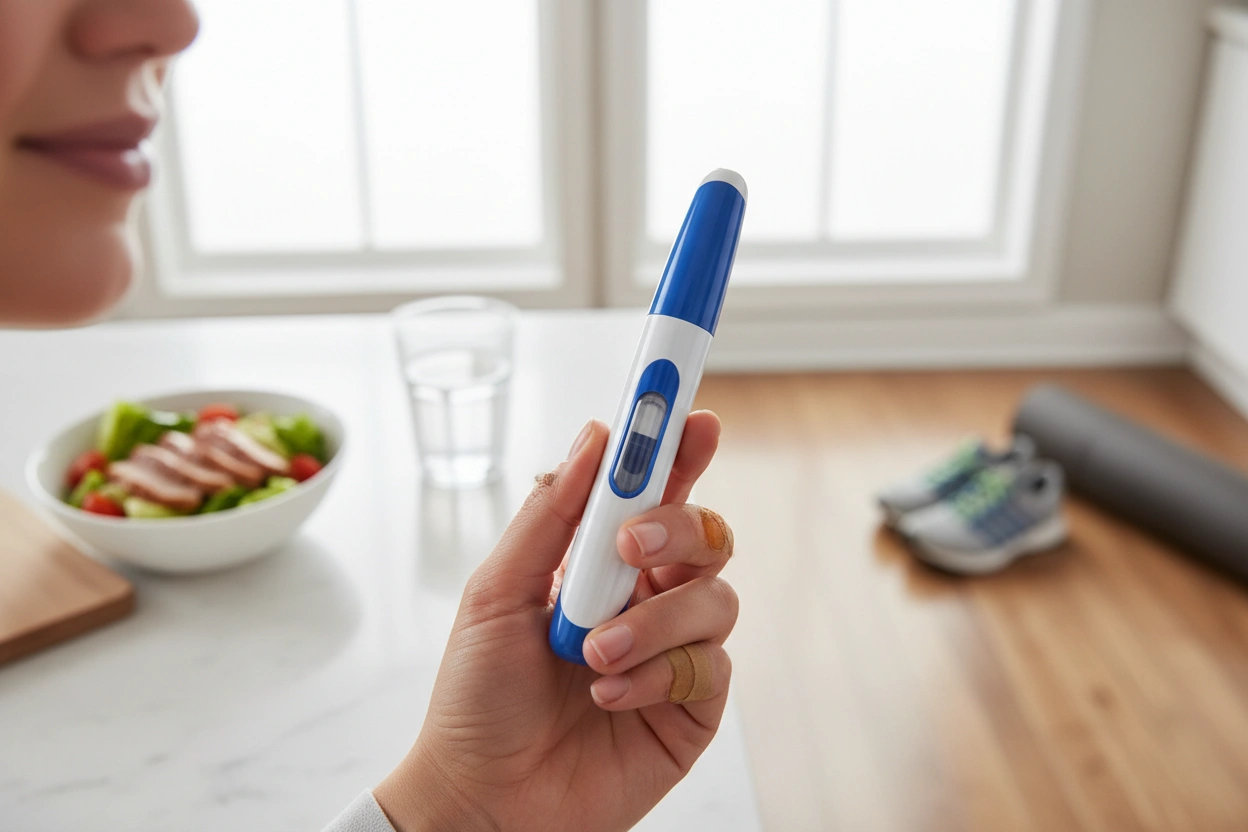
GLP-1 medications, or glucagon-like peptide-1 receptor agonists, mimic the action of the GLP-1 hormone, which plays a crucial role in glucose metabolism. These medications are primarily used for treating type 2 diabetes and have gained popularity for their weight loss effects. Commonly prescribed GLP-1 medications include semaglutide (Ozempic) and liraglutide (Saxenda).
How GLP-1 Medications Work
GLP-1 medications work by enhancing insulin secretion in response to meals, slowing gastric emptying, and reducing appetite. This multifaceted approach helps regulate blood sugar levels and promotes weight loss. However, these medications are not without their challenges. Patients may experience side effects, including nausea, vomiting, diarrhea, and abdominal pain, particularly when starting treatment or increasing dosages.
Common Side Effects of GLP-1 Medications
Understanding the common side effects associated with GLP-1 medications is essential for effective management. Some of the most frequently reported side effects include:
- Nausea and vomiting
- Diarrhea or constipation
- Abdominal pain
- Loss of appetite
- Fatigue
These side effects can be particularly pronounced during the initial weeks of treatment, leading to concerns about adherence and overall treatment efficacy.
Practical Solutions for Managing Side Effects
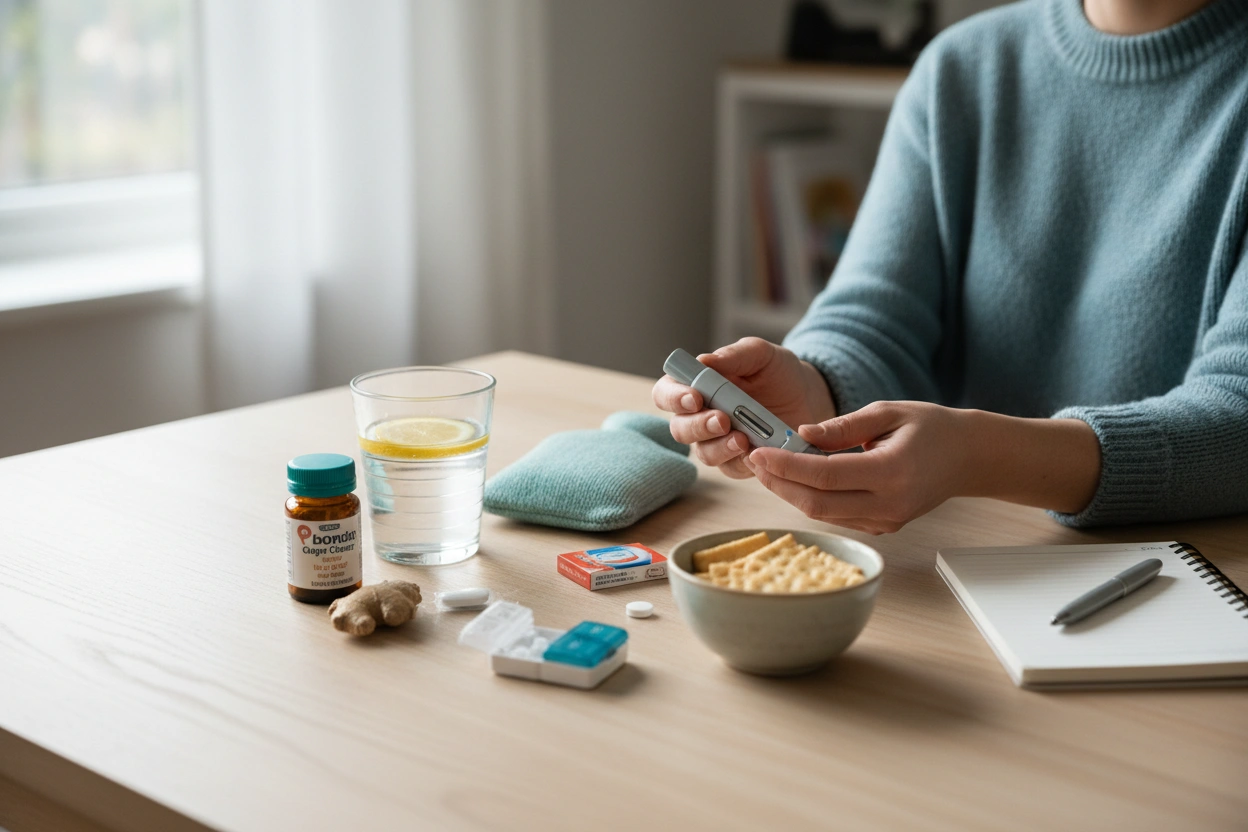
Managing the side effects of GLP-1 medications requires a multifaceted approach. Here are several practical solutions that can help alleviate discomfort:
Dietary Adjustments
Diet plays a significant role in managing side effects. Consider the following dietary adjustments:
- Start with a bland diet: When experiencing nausea, beginning with bland foods such as crackers, rice, or bananas can help settle the stomach. Gradually reintroduce other foods as tolerance improves.
- Stay hydrated: Dehydration can exacerbate symptoms like nausea and fatigue. Drinking clear fluids, such as water or herbal teas, can help maintain hydration.
- Small, frequent meals: Eating smaller meals more frequently throughout the day can help minimize gastrointestinal discomfort and stabilize blood sugar levels.
Gradual Dose Escalation
One common mistake patients make is starting at the full dosage of their GLP-1 medication. Gradual dose escalation can help mitigate side effects.
- Start low: Begin with the lowest recommended dose of the medication.
- Increase slowly: Gradually increase the dosage as tolerated, allowing the body time to adjust.
- Monitor symptoms: Keep track of any side effects experienced with each dosage increase to identify patterns and inform discussions with healthcare providers.
Timing of Medication Administration
The timing of when you take your GLP-1 medication can influence side effects. Consider the following strategies:
- Administer with meals: Taking the medication shortly before meals can help reduce nausea and improve appetite control.
- Choose the right time of day: If nausea occurs, consider taking the medication at night or in the morning, depending on individual tolerance and lifestyle.
Health Tips for GLP-1 Users

In addition to managing side effects, there are several health tips for GLP-1 users that can enhance the overall effectiveness of GLP-1 medications and improve well-being.
Regular Monitoring
Monitoring blood sugar levels is crucial for patients on GLP-1 medications. Regular checks can help assess how well the medication is working and inform necessary adjustments.
- Use a glucose meter: Regularly check blood glucose levels as advised by your healthcare provider to ensure that the medication is effectively managing your diabetes.
- Maintain a log: Keeping a detailed log of blood sugar readings, dietary intake, and any side effects can provide valuable insights for both patients and healthcare providers.
Engage in Physical Activity
Incorporating regular physical activity into your routine can complement the effects of GLP-1 medications.
- Aim for consistency: Engage in at least 150 minutes of moderate-intensity aerobic activity each week, such as brisk walking or cycling.
- Include strength training: Incorporate strength training exercises at least twice a week to enhance muscle mass and improve metabolic health.
Seek Support and Education
Education and support are vital components of managing diabetes and navigating the use of GLP-1 medications.
- Participate in diabetes education programs: Many healthcare facilities offer education programs that provide valuable information on managing diabetes and the use of medications.
- Join support groups: Connecting with others who are also using GLP-1 medications can provide emotional support and practical tips for managing side effects.
Common Misconceptions About GLP-1 Medications
Understanding common misconceptions surrounding GLP-1 medications can help patients make informed decisions about their treatment.
Myth: GLP-1 Medications Are Only for Weight Loss
While GLP-1 medications have gained popularity for their weight loss effects, they are primarily prescribed for managing type 2 diabetes. Weight loss is a secondary benefit that can improve overall health and reduce the risk of complications associated with diabetes.
Myth: Side Effects Are Unavoidable
While side effects are common, they are not always unavoidable. Many patients successfully manage their symptoms through dietary changes, gradual dose escalation, and proper timing of medication administration. Open communication with healthcare providers can also lead to personalized strategies for minimizing discomfort.
Conclusion: Embracing a Healthier Future with GLP-1 Medications
Managing the side effects of GLP-1 medications is an essential aspect of ensuring successful treatment outcomes. By implementing practical solutions, such as dietary adjustments, gradual dose escalation, and maintaining an active lifestyle, patients can enhance their overall experience with these medications.
FlowWell — Finally Feel Good on Your GLP is here to support you on your journey. Understanding the nuances of GLP-1 medications and their effects can empower you to take charge of your health.
For more personalized guidance and resources, visit FlowWell — Finally Feel Good on Your GLP. Embrace a healthier future today.