Over-the-Counter Solutions: What Can I Take for GLP1 Constipation?
Discover effective over-the-counter solutions for GLP1 constipation. Learn what can I take for GLP1 constipation and maintain your comfort.
Over-the-Counter Solutions: What Can I Take for GLP1 Constipation?
Constipation is a common issue among individuals taking GLP-1 agonists, medications widely used for managing type 2 diabetes and weight loss. These medications, while effective in their primary roles, often come with a range of side effects, one of which is constipation. Understanding what can be done about this side effect is essential for maintaining comfort and adherence to treatment. In this comprehensive article, we will explore the question, "What can I take for GLP1 constipation?" as well as provide top tips for managing this condition effectively.
Understanding GLP-1 Agonists and Their Side Effects
GLP-1 agonists, such as liraglutide and semaglutide, mimic the effects of the glucagon-like peptide-1 hormone. They enhance insulin secretion, suppress glucagon release, and slow gastric emptying, leading to improved blood sugar control and weight loss. However, these same mechanisms can contribute to gastrointestinal issues, including constipation.
Common Side Effects of GLP-1 Agonists
While GLP-1 agonists are generally well-tolerated, some side effects may arise. Key side effects include:
- Nausea and vomiting
- Diarrhea
- Constipation
- Abdominal pain
- Loss of appetite
Among these, constipation is particularly prevalent and can significantly affect a patient's quality of life. Understanding the underlying mechanisms of this side effect can help in finding effective solutions.
Why GLP-1 Agonists Cause Constipation
The mechanism behind constipation in patients using GLP-1 agonists is primarily linked to delayed gastric emptying. When the stomach empties more slowly, it can lead to slower transit times through the intestines, resulting in harder and drier stools. This can cause discomfort and difficulties in bowel movements.
What Can I Take for GLP1 Constipation?
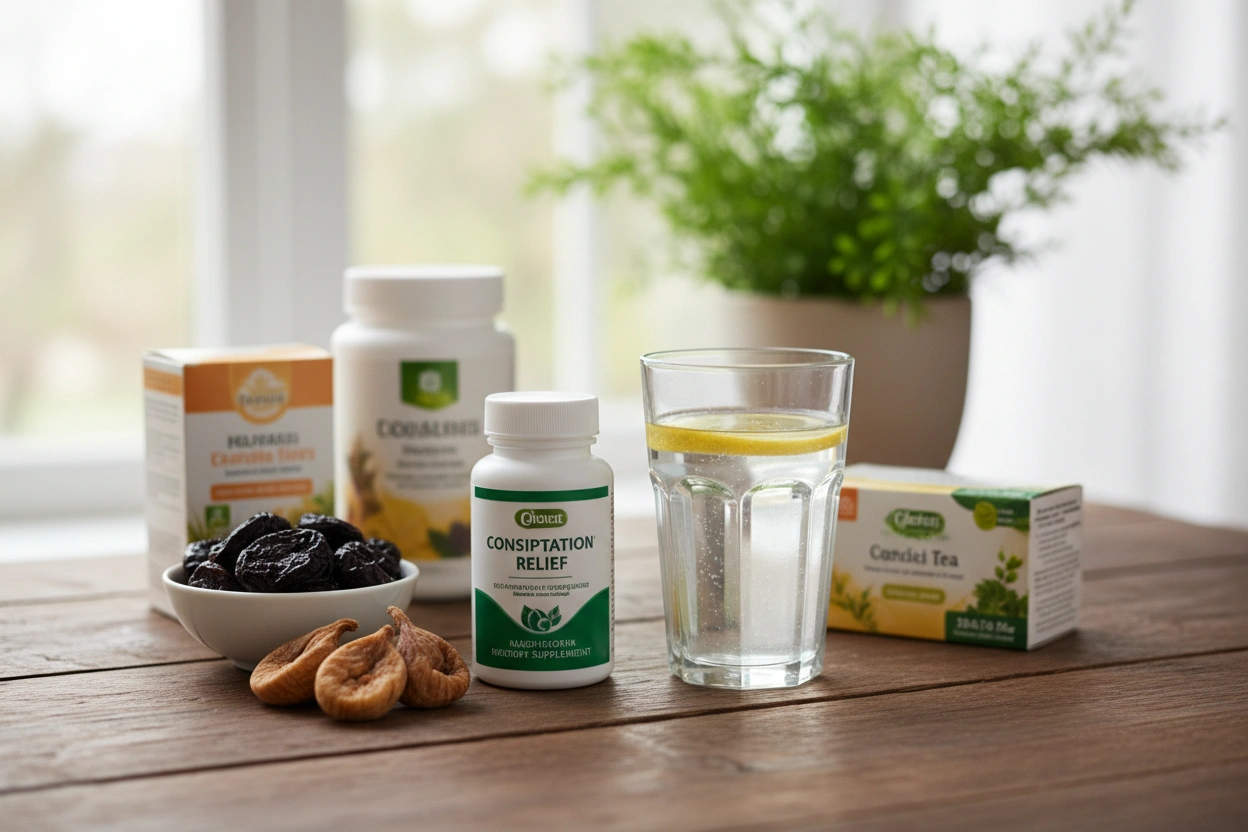
Addressing constipation caused by GLP-1 agonists involves a multi-faceted approach. Over-the-counter (OTC) solutions can be effective, but it is important to understand which options are available and how they work.
Over-the-Counter Laxatives
When considering what can be taken for GLP1 constipation, OTC laxatives are among the most commonly used solutions. They can be classified into several categories, each with its own mechanism of action:
- Bulk-forming Laxatives: These include psyllium (Metamucil) and methylcellulose (Citrucel). They work by absorbing water in the intestines, increasing stool bulk, and stimulating bowel movements.
- Osmotic Laxatives: Polyethylene glycol (MiraLAX) and lactulose are examples. They draw water into the colon, making stools softer and easier to pass.
- Stimulant Laxatives: Bisacodyl (Dulcolax) and senna (Senokot) work by stimulating the intestinal muscles to promote bowel movements. These should be used sparingly as they can lead to dependency.
- Lubricant Laxatives: Mineral oil can help ease stool passage but should be used cautiously, as it may interfere with nutrient absorption.
Dietary Supplements and Natural Remedies
In addition to OTC laxatives, several dietary supplements and natural remedies may help alleviate constipation associated with GLP-1 agonists. These include:
- Fiber Supplements: Increasing fiber intake can help soften stools and promote regularity. Options include psyllium husk or inulin.
- Probiotics: These can improve gut health and help regulate bowel movements. Look for strains like Lactobacillus and Bifidobacterium.
- Magnesium Citrate: This natural laxative can help draw water into the intestines and facilitate bowel movements.
Hydration and Dietary Changes
Adequate hydration is crucial for preventing and managing constipation. Drinking enough fluids, particularly water, helps maintain stool softness. In addition, dietary changes can play a significant role:
- Increase Fiber Intake: Incorporate more fruits, vegetables, whole grains, and legumes into your diet. Aim for at least 25-30 grams of fiber daily.
- Limit Processed Foods: Foods low in fiber, such as white bread and sugary snacks, can exacerbate constipation.
- Regular Meal Timing: Eating meals at consistent times can help regulate bowel function.
Top Tips for Managing GLP-1 Constipation

Managing constipation effectively requires a proactive approach. Here are some actionable tips to help alleviate the discomfort associated with GLP-1 agonist use:
Maintain a High-Fiber Diet
- Focus on incorporating fiber-rich foods into your meals.
- Include fruits such as apples, pears, and berries, and vegetables like broccoli, carrots, and spinach.
- Whole grains like oats, quinoa, and brown rice are excellent sources of fiber.
Stay Hydrated
- Aim to drink at least eight glasses of water daily.
- Consider herbal teas or infused waters to enhance hydration.
- Monitor your hydration levels, especially during hot weather or when exercising.
Regular Physical Activity
- Engage in regular physical activity, as it can stimulate bowel movements.
- Aim for at least 150 minutes of moderate-intensity exercise each week.
- Activities such as walking, swimming, or yoga can be beneficial.
Establish a Routine
- Set a regular schedule for bowel movements, ideally after meals when the urge is strongest.
- Don’t ignore the urge to go; delaying can worsen constipation.
Consult Healthcare Providers
- If OTC solutions and lifestyle changes do not alleviate constipation, consult a healthcare provider.
- They can recommend prescription medications or alternative therapies tailored to individual needs.
Common Misconceptions about GLP-1 Constipation
While many people experience constipation as a side effect of GLP-1 agonists, there are several misconceptions surrounding it. Addressing these can improve understanding and management of the condition.
Misconception: All Laxatives Are Safe for Long-term Use
Many believe that laxatives can be used indefinitely without consequences. However, long-term use of stimulant laxatives can lead to dependency and worsen constipation over time. It is crucial to use laxatives as directed and explore lifestyle changes as a primary strategy.
Misconception: Fiber Supplements Are Always Effective
While fiber supplements can help, they are not a one-size-fits-all solution. Some individuals may experience bloating or gas when starting fiber supplements. It's essential to increase fiber intake gradually and drink plenty of water to minimize side effects.
Misconception: Constipation Is Normal and Should Be Endured
Some individuals may think that experiencing constipation is a normal side effect of medication and should be tolerated. However, chronic constipation can lead to serious complications, including hemorrhoids and bowel obstruction. It’s essential to address this issue proactively.
The Intersection of GLP-1 Agonists and Digestive Health
Understanding the connection between GLP-1 agonists and digestive health is vital for managing side effects like constipation. By employing a comprehensive approach that includes dietary adjustments, hydration, and appropriate OTC solutions, individuals can significantly improve their quality of life while on these medications.
FlowWell — Finally Feel Good on Your GLP
Navigating the challenges of GLP-1 constipation can be daunting, but with the right strategies and solutions, you can find relief. By exploring what can be taken for GLP1 constipation and implementing practical tips, you can maintain comfort and health while managing your diabetes or weight. If you are looking for more tailored solutions and support for managing your GLP-1 side effects, visit FlowWell — Finally Feel Good on Your GLP for expert advice and resources. Taking control of your digestive health is a crucial step in your journey, and we are here to help you every step of the way.