Ozempic and Wegovy Meal Planning: Strategies for Optimizing Protein
Discover effective strategies for optimizing protein on weight loss meds like Ozempic and Wegovy to enhance your meal planning and weight loss journey.
Ozempic and Wegovy Meal Planning: Strategies for Optimizing Protein
In the evolving landscape of weight management, medications like Ozempic and Wegovy have emerged as powerful tools for those seeking to lose weight effectively. However, while these medications facilitate weight loss by regulating appetite and metabolism, they also necessitate a careful approach to meal planning, particularly regarding protein intake. This article delves into the importance of optimizing protein on weight loss meds, providing actionable strategies and insights to enhance your dietary regimen.
Understanding the Role of Protein in Weight Loss

Protein plays a critical role in any weight loss strategy, especially for individuals using medications like Ozempic and Wegovy. These drugs work by mimicking a hormone called GLP-1, which influences appetite and glucose metabolism. While they effectively promote weight loss, the body’s nutritional needs remain paramount. A well-balanced diet rich in protein can enhance muscle retention, support metabolism, and improve overall satiety, all essential components for sustainable weight loss.
Benefits of Protein for Weight Loss
- Muscle Preservation: During weight loss, the risk of losing muscle mass increases. Adequate protein intake helps preserve lean muscle, which is crucial for maintaining metabolic rate.
- Enhanced Satiety: Protein-rich foods promote feelings of fullness, reducing the likelihood of overeating. This is particularly beneficial when appetite is suppressed by weight loss medications.
- Thermogenic Effect: The body expends more energy digesting protein compared to fats and carbohydrates, which can aid in increasing overall calorie burn.
Common Misconceptions About Protein Intake
Many individuals mistakenly believe that increasing protein intake alone will lead to weight loss. While protein is essential, it must be consumed as part of a balanced diet that includes carbohydrates and fats. Additionally, some may think that all proteins are created equal; however, the source of protein matters. Lean proteins are preferable to those high in saturated fats.
Nutritional Strategies for Optimizing Protein on Weight Loss Meds
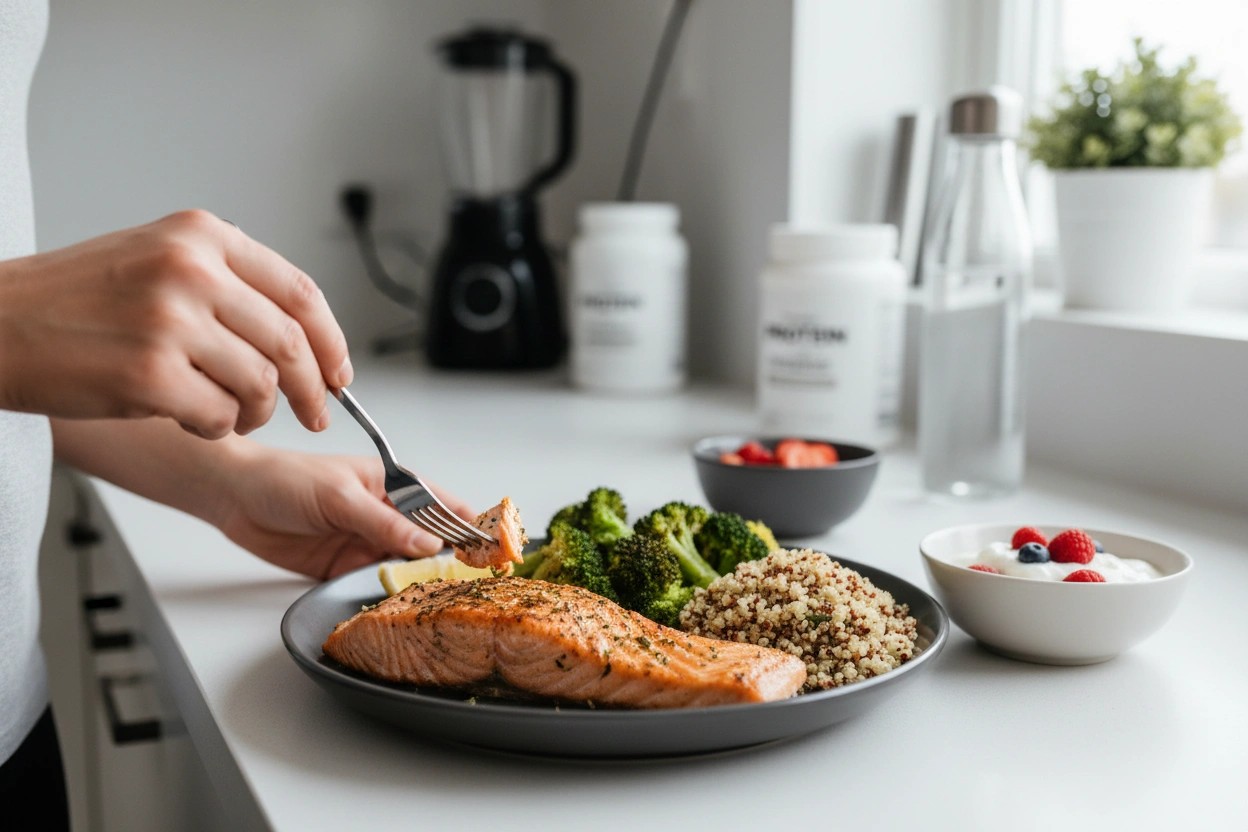
When optimizing protein intake on weight loss medications, it is crucial to adopt strategies that ensure you meet your nutritional needs without exceeding caloric limits. Here are some effective strategies:
Meal Planning Techniques
- Prioritize Lean Proteins: Focus on incorporating lean sources of protein such as chicken breast, turkey, fish, legumes, and low-fat dairy. These options provide essential amino acids without excessive calories.
- Incorporate Plant-Based Proteins: Plant-based proteins like beans, lentils, quinoa, and tofu are excellent for diversifying your protein sources and boosting fiber intake, which aids digestion and satiety.
- Utilize Protein Supplements Wisely: When whole food sources are insufficient, consider protein powders or bars to supplement your intake. However, choose those low in added sugars and unhealthy fats.
Portion Control and Frequency
- Distribute Protein Intake: Instead of consuming a large amount of protein in one meal, distribute it evenly across meals and snacks. This approach can enhance muscle protein synthesis and keep you feeling full throughout the day.
- Snack Smart: Opt for high-protein snacks like Greek yogurt, cottage cheese, or mixed nuts to maintain energy levels and stave off hunger between meals.
Tracking and Adjusting Protein Intake
- Utilize Food Diaries: Keeping a food diary can help you monitor protein intake and ensure you are meeting your dietary goals. Apps and tools can facilitate this process.
- Adjust Based on Activity Levels: If your activity levels fluctuate, adjust your protein intake accordingly. Higher activity levels may require increased protein to support muscle repair and growth.
Common Mistakes to Avoid When Optimizing Protein Intake

While aiming to optimize protein on weight loss meds, it's essential to avoid common pitfalls that can undermine your efforts. Here are some mistakes to steer clear of:
Over-reliance on Processed Protein Sources
Many individuals gravitate towards protein bars and shakes, often overlooking whole food sources. While convenient, processed options can contain high levels of sugars and unhealthy fats. Aim for whole food sources whenever possible.
Neglecting Other Nutrients
In the quest for protein, some may neglect other vital nutrients, such as carbohydrates and fats. A balanced diet ensures that your body receives a comprehensive range of nutrients necessary for optimal health and energy levels.
Ignoring Individual Needs
Every individual has unique nutritional needs based on age, gender, activity level, and metabolic health. Failing to consider these factors can lead to inadequate protein intake or excess consumption, both of which can hinder weight loss efforts.
The Intersection of Protein Optimization and Weight Loss Medications
As medications like Ozempic and Wegovy reshape the approach to weight loss, understanding the synergy between these treatments and protein optimization is vital. The effectiveness of these medications can be maximized by ensuring that your diet is rich in high-quality protein.
Building a Balanced Plate
Creating a balanced plate is an effective strategy for meal planning. Consider the following guidelines:
- Half the Plate: Fill half your plate with non-starchy vegetables, which provide fiber and essential nutrients.
- One Quarter: Allocate one quarter of your plate to lean protein sources.
- One Quarter: Use the remaining quarter for healthy carbohydrates, such as whole grains or starchy vegetables.
Incorporating Variety
Incorporating a variety of protein sources can prevent dietary boredom and ensure you receive a broad spectrum of nutrients. Consider trying different cooking methods such as grilling, steaming, or baking to enhance flavors without adding excessive calories.
Practical Tips for Daily Meal Planning
To effectively incorporate protein into your daily meals while on weight loss medications, consider the following practical tips:
- Plan Weekly Menus: Spend time each week planning your meals, ensuring a variety of protein sources and balanced nutrients. This will reduce the temptation to resort to convenience foods.
- Batch Cooking: Prepare larger portions of protein-rich meals and store them for quick access during busy days. This ensures you have healthy options readily available.
- Experiment with Recipes: Use online resources or cookbooks to find new recipes that incorporate high-protein ingredients, keeping your meals exciting and nutritious.
Conclusion: The Synergy of Protein and Weight Loss Medications
Optimizing protein on weight loss meds like Ozempic and Wegovy is not just about increasing intake; it's about creating a balanced, sustainable approach to nutrition. By focusing on high-quality protein sources, practicing portion control, and planning meals thoughtfully, individuals can enhance their weight loss journey while supporting overall health.
As you implement these strategies, consider how FlowWell — Finally Feel Good on Your GLP can assist you in navigating your weight loss journey. With tailored support and resources, you can effectively optimize your protein intake and achieve your health goals.
For more information and personalized assistance, visit FlowWell — Finally Feel Good on Your GLP. Your journey to health and wellness starts here.