Plant-Based Protein vs. Animal: Choosing the Healthiest Source
Discover the benefits of plant-based and animal protein sources. Learn how to choose the healthiest protein for your diet and lifestyle.
Plant-Based Protein vs. Animal: Choosing the Healthiest Source
Protein is a fundamental component of a balanced diet, playing a crucial role in muscle building, repair, and overall health. As more individuals consider their dietary choices, a significant debate has emerged: should one prioritize plant-based protein sources or stick with traditional animal-based proteins? This article will explore the nutritional benefits, potential drawbacks, and practical ways to incorporate high protein foods into your daily diet.
Understanding Protein: The Basics
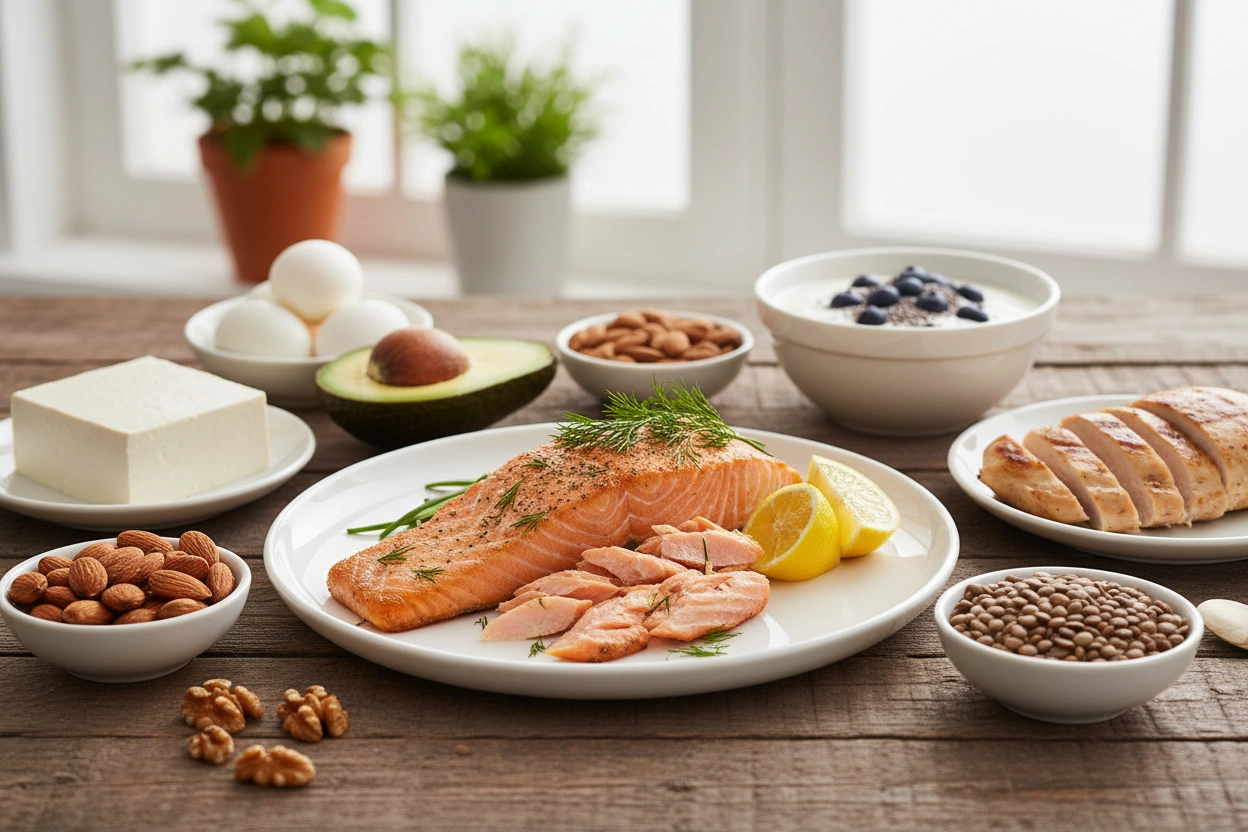
Protein is an essential macronutrient composed of amino acids, which are the building blocks of muscles, tissues, and enzymes. The body requires protein for various functions, including:
- Building and repairing tissues
- Producing enzymes and hormones
- Supporting immune function
- Providing energy when carbohydrates are not available
There are two primary categories of protein sources: animal-based and plant-based. Understanding the differences between these sources can help individuals make informed dietary choices that align with their health goals.
Animal-Based Protein Sources
Animal-based proteins are derived from meat, fish, dairy, and eggs. These sources are considered complete proteins, meaning they contain all nine essential amino acids that the body cannot produce on its own. Some common animal-based protein sources include:
- Chicken and turkey
- Beef and pork
- Fish and seafood
- Eggs
- Dairy products like milk, cheese, and yogurt
Animal proteins are often praised for their high bioavailability, which refers to how easily the body can absorb and utilize the protein. For instance, whey protein, found in dairy, is one of the most bioavailable protein sources available, making it a popular choice among athletes and fitness enthusiasts.
Plant-Based Protein Sources
Plant-based proteins come from vegetables, legumes, grains, nuts, and seeds. While many plant proteins are not complete proteins on their own, they can be combined to provide all essential amino acids. Some examples of high protein foods from plant sources include:
- Lentils and beans
- Quinoa and whole grains
- Tofu and tempeh
- Nuts and seeds
Plant-based proteins are often lower in saturated fats and cholesterol compared to animal proteins, making them a healthier choice for heart health. Additionally, they are rich in fiber, vitamins, and antioxidants, which contribute to overall health and wellness.
Comparing Nutritional Profiles
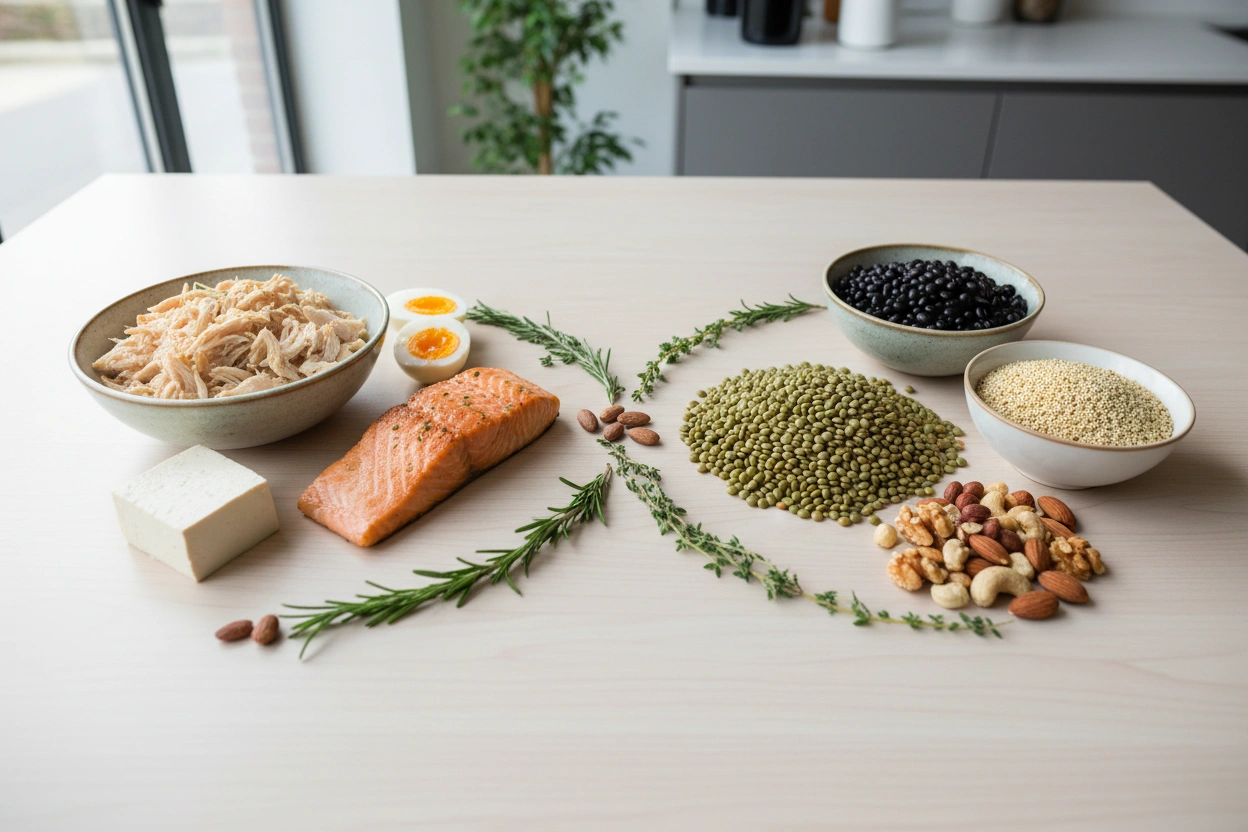
When comparing plant-based and animal-based proteins, it is essential to consider their nutritional profiles beyond just protein content. This section will delve into the advantages and disadvantages of each protein source.
Advantages of Animal-Based Proteins
- Complete Amino Acid Profile: Animal proteins offer a complete amino acid profile, which is essential for muscle synthesis and recovery.
- Higher Protein Density: Animal products often contain higher protein concentrations, meaning that smaller portions can provide significant protein intake.
- Rich in Vitamins and Minerals: Animal proteins are excellent sources of vital nutrients such as vitamin B12, iron, and zinc, which are crucial for energy production and immune function.
Disadvantages of Animal-Based Proteins
- Higher Saturated Fat Content: Many animal proteins contain high levels of saturated fats, which can contribute to heart disease if consumed in excess.
- Potential for Hormones and Antibiotics: Some animal products may contain added hormones and antibiotics, raising health concerns for consumers.
- Environmental Impact: The production of animal proteins has a higher environmental footprint, contributing to greenhouse gas emissions and resource depletion.
Advantages of Plant-Based Proteins
- Lower in Saturated Fats: Plant-based proteins typically have lower levels of saturated fats, promoting better heart health.
- Rich in Fiber: Plant sources are high in dietary fiber, which aids digestion and helps maintain a healthy weight.
- Sustainable: Plant-based diets are more environmentally sustainable, requiring fewer resources and producing lower emissions compared to animal farming.
Disadvantages of Plant-Based Proteins
- Incomplete Amino Acids: Many plant proteins lack one or more essential amino acids, necessitating careful meal planning to ensure adequate intake.
- Lower Protein Density: Plant proteins may require larger portion sizes to meet protein needs, which can be challenging for those with higher protein requirements.
- Potential Digestive Issues: Some individuals may experience digestive discomfort when consuming high amounts of legumes or certain grains, particularly if they are not accustomed to a high-fiber diet.
How to Incorporate More Protein into Your Daily Diet
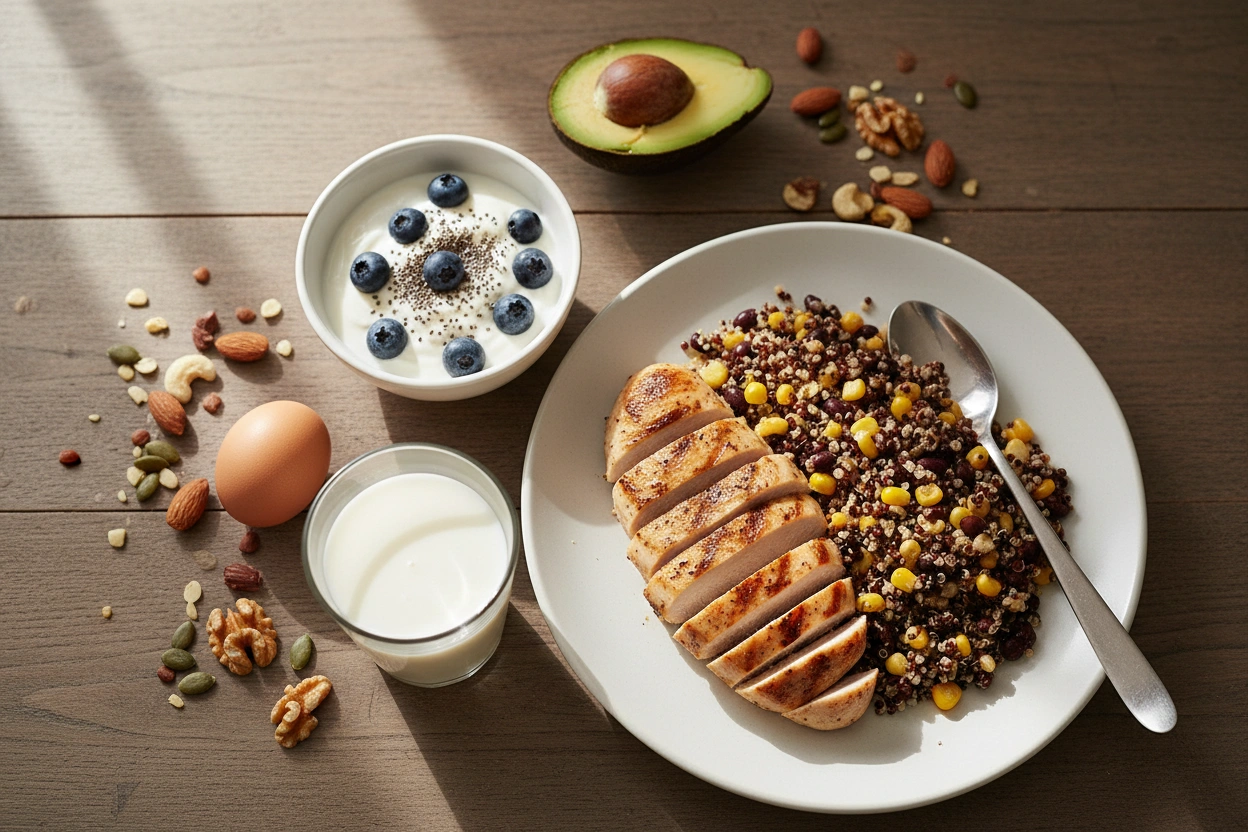
Adding more protein to your diet can be accomplished with some simple strategies. Here are practical tips for both plant-based and animal-based protein sources.
For Animal-Based Protein Sources
Start Your Day with Eggs: Incorporate eggs into breakfast for a protein-rich meal. Scrambled, poached, or in an omelet, eggs provide essential nutrients.
Choose Lean Cuts of Meat: Opt for lean meats like chicken breast or turkey to reduce saturated fat intake while still benefiting from high protein content.
Include Dairy: Add yogurt or cottage cheese to snacks or meals. These dairy options are high in protein and can be easily incorporated into smoothies or salads.
For Plant-Based Protein Sources
Incorporate Legumes: Beans, lentils, and chickpeas are versatile and can be added to soups, salads, or made into spreads like hummus.
Use Quinoa as a Base: Quinoa is a complete protein and can be used as a base for salads, bowls, or as a side dish.
Snack on Nuts and Seeds: Keep a variety of nuts and seeds on hand for healthy snacks. They provide protein and healthy fats, making them an excellent choice for energy.
Explore Plant-Based Alternatives: Try tofu, tempeh, or seitan as meat substitutes in your meals. These options are packed with protein and can be flavored to suit your palate.
Common Misconceptions About Protein Sources
As dietary trends evolve, several misconceptions about protein sources have emerged. Addressing these can help individuals make informed choices.
Myth: You Can Only Get Enough Protein from Animal Sources
While animal proteins are complete, many plant-based sources can provide adequate protein when consumed in a varied diet. Foods like quinoa, soy products, and a combination of legumes can meet protein needs effectively.
Myth: Plant Proteins Are Inferior
While it is true that some plant proteins are incomplete, combining different protein sources can create a complete amino acid profile. For example, pairing rice and beans provides a balanced protein intake.
Myth: High Protein Diets Are Only for Athletes
High protein diets can benefit everyone, not just athletes. Protein supports muscle maintenance, weight management, and overall health, making it essential for various lifestyles.
The Future of Protein Sources
The ongoing shift toward plant-based diets is indicative of changing consumer preferences and health consciousness. Innovations in food technology are leading to the development of alternative protein sources, including lab-grown meat and plant-based protein powders. These advancements can help meet the growing demand for sustainable and health-conscious protein options.
Trends in Plant-Based Proteins
Increased Popularity of Meat Alternatives: Brands are increasingly developing plant-based meat alternatives that replicate the taste and texture of animal products.
Focus on Nutritional Quality: Consumers are becoming more discerning about the nutritional content of protein sources, leading to the rise of high-protein snacks and fortified foods.
Environmental Consciousness: As awareness of environmental issues grows, more individuals are opting for plant-based proteins to reduce their carbon footprint.
Embracing a Balanced Approach
Ultimately, the choice between plant-based and animal-based proteins should be based on individual preferences, dietary restrictions, and health goals. A balanced diet that includes a variety of protein sources can provide the necessary nutrients for optimal health.
Practical Tips for Balancing Protein Sources
Diversify Your Protein Intake: Incorporate both plant and animal proteins into your meals to take advantage of the unique benefits each offers.
Monitor Your Protein Needs: Consider your activity level, age, and health goals when determining how much protein you need each day.
Experiment with New Recipes: Explore different cuisines and cooking methods to keep meals exciting while increasing protein intake.
FlowWell — Finally Feel Good on Your GLP
In the quest for optimal health, understanding the various protein sources and their benefits is crucial. Whether you choose plant-based or animal protein, incorporating a variety of high-protein foods can enhance your overall well-being.
By exploring the nutritional landscape of protein, you can make informed decisions that align with your dietary preferences and health goals. Contact FlowWell — Finally Feel Good on Your GLP for more information on how to effectively incorporate protein into your diet and achieve a balanced lifestyle. Embrace the power of protein today and feel the difference it can make in your life!