Plant-Based vs. Animal Protein: Which Source Is Best for You?
Explore the differences between plant-based and animal protein sources to find the best option for your health and dietary needs.
Plant-Based vs. Animal Protein: Which Source Is Best for You?
Protein is a vital macronutrient that plays a crucial role in building and repairing tissues, making enzymes and hormones, and supporting overall bodily functions. As nutrition science evolves, the debate between plant-based and animal protein sources continues to gain attention. With the rise of veganism and plant-based diets, many individuals are questioning which protein source is optimal for their health and well-being. This article will explore the differences between plant-based and animal protein, the benefits and drawbacks of each, and how to effectively incorporate more protein into your daily diet.
Understanding Protein Sources
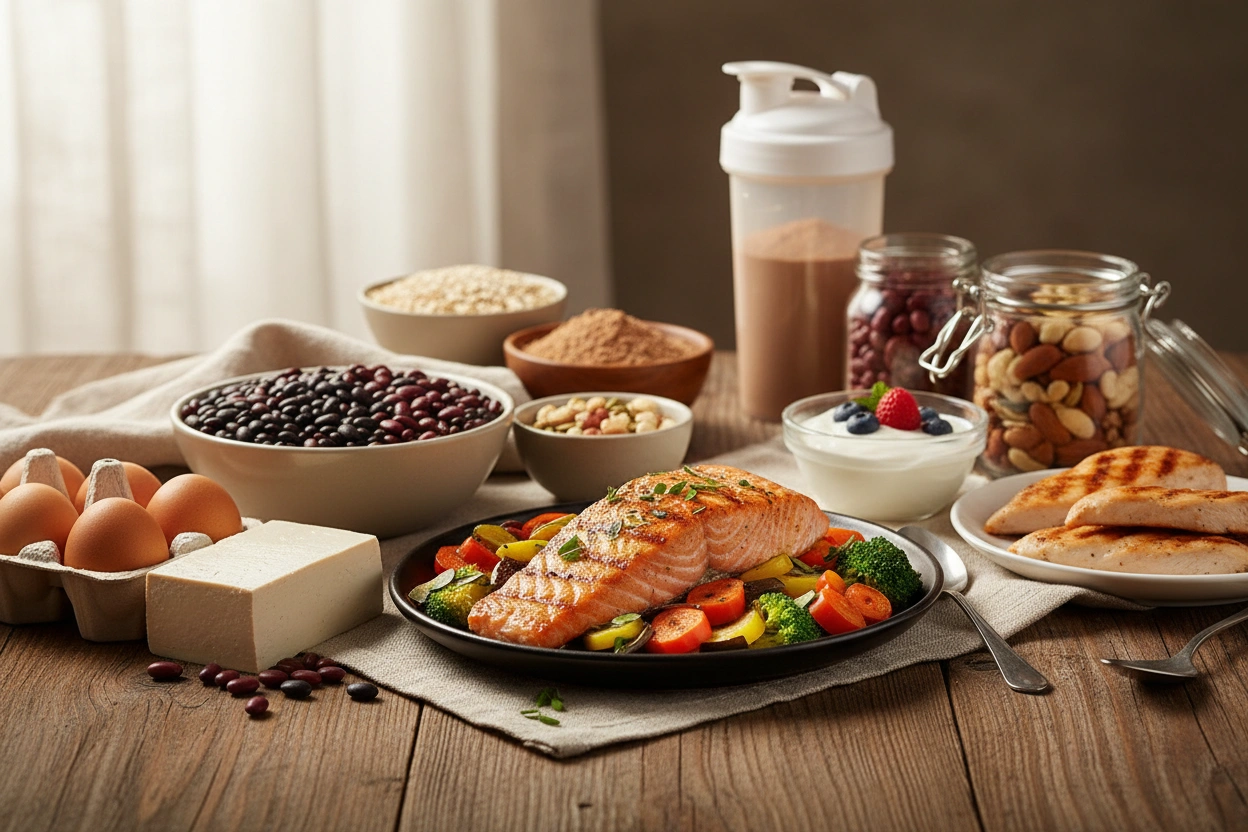
Protein can be derived from various sources, primarily categorized into two groups: animal and plant proteins. Each source offers unique benefits and potential drawbacks that can influence dietary choices.
Animal Protein
Animal protein comes from meat, poultry, fish, eggs, and dairy products. These protein sources are considered "complete" proteins, meaning they contain all nine essential amino acids necessary for human health.
- Rich Nutrient Profile: Animal protein is often rich in essential nutrients such as vitamin B12, iron, and omega-3 fatty acids. These nutrients are crucial for energy production, immune function, and brain health.
- Muscle Building: Studies show that animal protein is particularly effective for muscle synthesis due to its high leucine content, an amino acid that plays a significant role in muscle recovery and growth.
Despite these benefits, there are some concerns associated with high consumption of animal protein.
- Health Risks: Excessive intake of red and processed meats has been linked to health issues, including heart disease and certain cancers. Therefore, moderation and balanced choices are essential.
Plant Protein
Plant protein sources include legumes, nuts, seeds, whole grains, and soy products. While many plant proteins are considered "incomplete" because they may lack one or more essential amino acids, combining different plant sources can provide a complete amino acid profile.
- Lower in Saturated Fat: Plant proteins tend to have lower levels of saturated fats compared to animal proteins, which can contribute to better heart health.
- Fiber-Rich: Plant-based foods are high in fiber, which supports digestive health and can help manage weight by promoting a feeling of fullness.
However, there are also challenges associated with plant protein sources.
- Nutrient Deficiencies: Individuals relying solely on plant proteins may risk deficiencies in nutrients like vitamin B12, iron, and omega-3 fatty acids. It's essential to plan a balanced diet to ensure adequate nutrient intake.
Comparing Plant-Based and Animal Protein
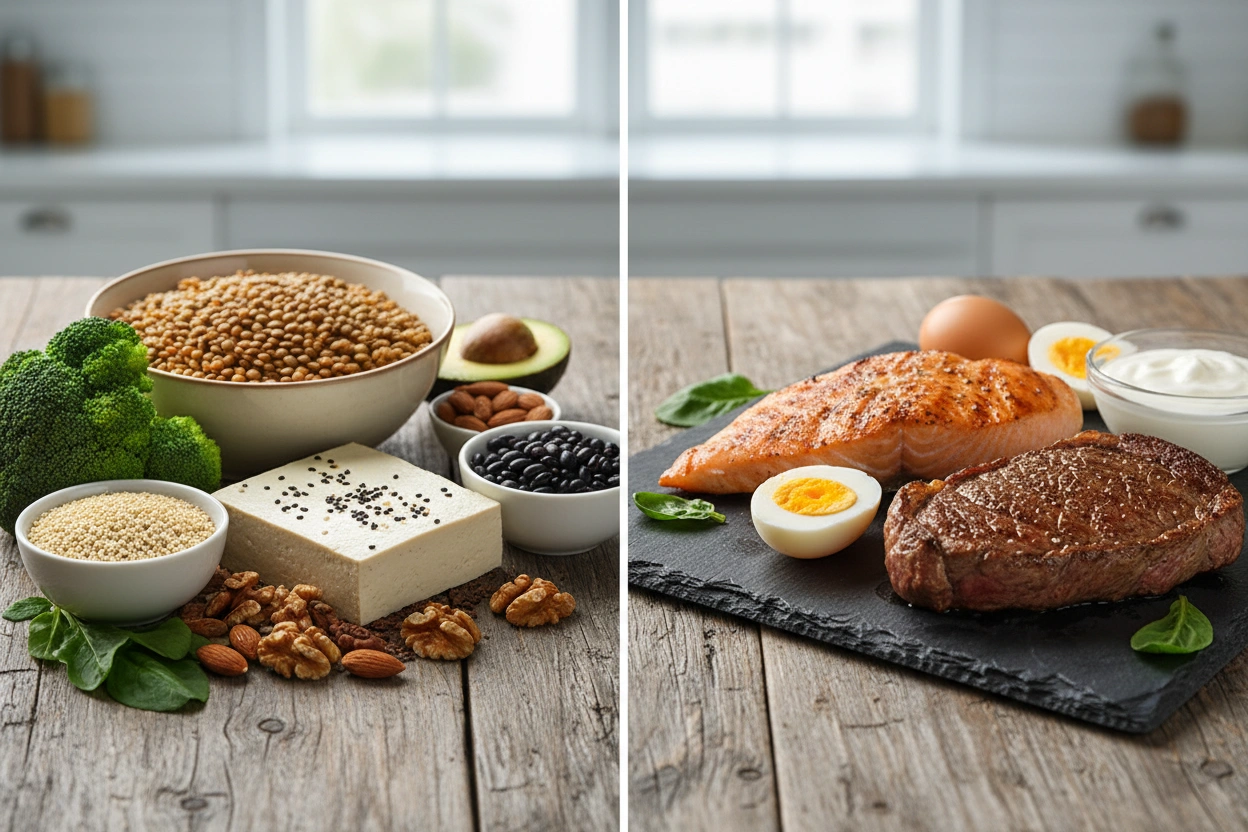
To make an informed decision about which protein source is best for you, it’s important to consider various factors, including nutritional content, health implications, environmental impact, and ethical considerations.
Nutritional Content
Complete vs. Incomplete Proteins:
- Animal proteins are complete, while many plant proteins are incomplete. However, combining different plant sources can achieve a complete amino acid profile.
Essential Nutrients:
- Animal protein is a rich source of vitamin B12 and heme iron, which are less bioavailable in plant sources. Conversely, plant proteins provide antioxidants and phytochemicals beneficial for health.
Health Implications
Heart Health:
- Studies indicate that diets high in plant-based proteins can lower the risk of heart disease. On the other hand, high consumption of red and processed meats has been associated with increased cardiovascular risks.
Weight Management:
- Plant-based diets tend to be lower in calories and higher in fiber, making them beneficial for weight loss and maintenance.
Environmental Impact
Sustainability:
- Plant protein production generally has a lower environmental impact compared to animal protein, requiring less land and water and producing fewer greenhouse gases.
Ethical Considerations:
- Many individuals choose plant-based diets for ethical reasons concerning animal welfare and factory farming practices.
How to Incorporate More Protein into Your Daily Diet

Increasing your protein intake can be achieved through various strategies, regardless of whether you prefer plant-based or animal sources. Here are some actionable tips to help you incorporate more protein into your daily meals.
Meal Planning
- Balanced Meals: Aim for each meal to contain a source of protein, whether it's animal or plant-based. high protein meals can help sustain energy levels and promote muscle recovery.
- Diverse Protein Sources: Include a variety of protein sources in your diet to ensure you receive a wide range of nutrients.
Snack Wisely
Protein-Rich Snacks:
- Opt for snacks like Greek yogurt, cottage cheese, mixed nuts, or hummus with vegetables. These snacks can provide a substantial protein boost without excessive calories.
Protein Smoothies:
- Blend protein-rich ingredients such as protein powder, nut butter, or silken tofu into smoothies for an easy and delicious way to increase your protein intake.
Cooking Techniques
- Incorporate Legumes: Add beans, lentils, and chickpeas to salads, soups, and stews. These legumes are excellent plant-based protein sources and can enhance the nutritional profile of your meals.
- Experiment with Tofu and Tempeh: These soy-based products are versatile and can be used in a variety of dishes, absorbing flavors well while providing a solid protein source.
Common Misconceptions about Protein Sources
Understanding the nuances of protein sources can help dispel common myths and misconceptions.
Myth 1: Animal Protein is Always Superior
While animal protein is a complete source of protein, this does not mean that plant proteins are inferior. Many athletes and fitness enthusiasts thrive on plant-based diets, effectively meeting their protein intake needs through careful planning and food combinations.
Myth 2: You Cannot Get Enough Protein from a Plant-Based Diet
With proper planning, it is entirely possible to meet and exceed daily protein needs on a plant-based diet. Foods such as quinoa, soy products, lentils, and certain nuts can provide ample protein when consumed in sufficient quantities.
The Intersection of Protein and Your Health
Choosing the right protein source for your diet ultimately depends on your personal health goals, dietary preferences, and ethical considerations. Both plant-based and animal proteins have their unique advantages and disadvantages. Emphasizing variety and balance is crucial for optimal health and wellness.
Incorporating protein-rich foods into your diet can be straightforward and enjoyable. With careful meal planning and a focus on diverse sources, you can ensure adequate protein intake that aligns with your lifestyle. high protein diet can support your journey towards a healthier lifestyle.
FlowWell — Finally Feel Good on Your GLP
As you explore the world of protein sources and their benefits, consider how FlowWell — Finally Feel Good on Your GLP can support your journey towards a healthier lifestyle. Our approach emphasizes the importance of balanced nutrition, helping you discover the best ways to meet your protein needs while enjoying the food you love.
If you're looking to optimize your protein intake or learn more about how to incorporate it effectively into your daily diet, contact FlowWell — Finally Feel Good on Your GLP for personalized guidance and support. Let us help you achieve your health goals and feel your best every day.