Probiotics and Lifestyle Tweaks: Answers to What Can I Take for GLP1 Constipation
Discover what you can take for GLP1 constipation, including probiotics and lifestyle tweaks to manage this common side effect effectively.
Probiotics and Lifestyle Tweaks: Answers to What Can I Take for GLP1 Constipation
Constipation is a common concern for individuals using GLP-1 agonists, a class of medications widely prescribed for managing type 2 diabetes and obesity. Many patients have questions about managing this side effect effectively. In this article, we will explore practical solutions to address the question, What can I take for GLP1 constipation by discussing the role of probiotics, lifestyle modifications, and the best fiber supplements for GLP-1 users.
Understanding GLP-1 Agonists and Their Side Effects
GLP-1 agonists work by mimicking the incretin hormone, which helps regulate insulin and glucose levels. While effective, these medications can lead to gastrointestinal side effects, including constipation. Understanding the mechanisms behind these side effects can empower patients to make informed decisions about their management strategies.
Mechanisms Behind GLP-1 Agonist-Induced Constipation
GLP-1 agonists slow gastric emptying and reduce intestinal motility, which can contribute to constipation. This is a result of the body's natural response to increased insulin levels and altered digestive processes. While this can be beneficial for glycemic control, it may lead to discomfort and an overall reduced quality of life.
Common Misconceptions About GLP-1 Agonists
Patients often have misconceptions about the inevitability of constipation when taking GLP-1 agonists. It is important to note that not all patients will experience this side effect, and those who do can often manage it effectively with the right strategies. Additionally, some may believe that increasing medication dosage will resolve constipation, which can exacerbate the issue.
Probiotics: A Natural Solution for GLP-1 Constipation
Probiotics are live microorganisms that can provide health benefits when consumed in adequate amounts. They have gained popularity for their potential to improve gut health and alleviate digestive issues, including constipation. Here, we will explore how probiotics can be beneficial for individuals taking GLP-1 agonists.
The Role of Probiotics in Digestive Health
Probiotics can help restore the balance of gut microbiota, which is essential for optimal digestion and regular bowel movements. They can enhance intestinal motility, increase stool frequency, and improve the consistency of stool. Some studies suggest that specific strains, such as Lactobacillus and Bifidobacterium, may be particularly effective in alleviating constipation.
Choosing the Right Probiotic
When selecting a probiotic, consider the following factors:
- Strain Specificity: Different strains serve different functions. Look for products that specify the strains and their benefits.
- CFU Count: A higher colony-forming unit (CFU) count generally indicates a more effective product. Aim for at least 10 billion CFUs per serving.
- Quality Assurance: Choose reputable brands that undergo third-party testing to ensure product quality and efficacy.
Lifestyle Tweaks to Combat GLP-1 Induced Constipation
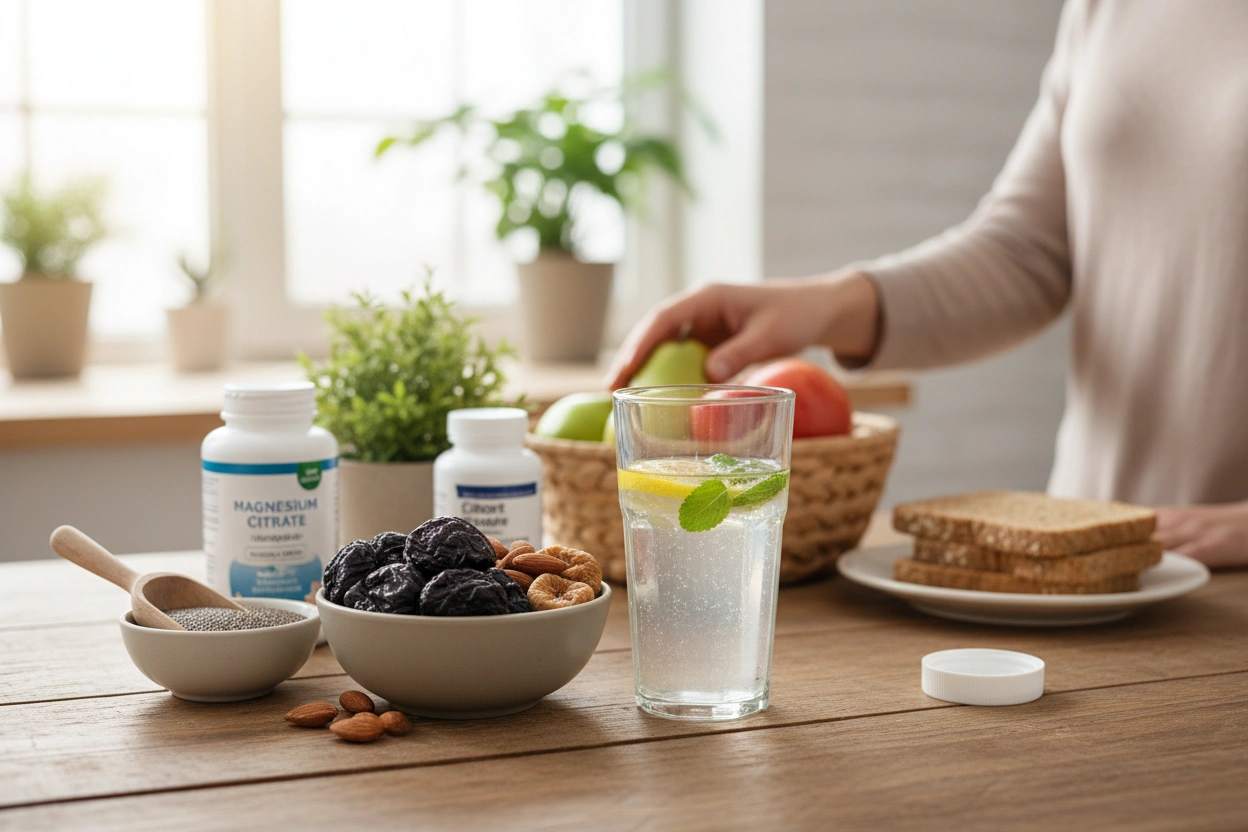
In addition to probiotics, making specific lifestyle modifications can significantly alleviate constipation related to GLP-1 agonist use. Here are some effective strategies to consider.
Dietary Adjustments
Increase Fiber Intake: Consuming a diet high in fiber can help promote regular bowel movements. Aim for a mix of soluble and insoluble fiber from sources like:
- Whole grains (oats, brown rice)
- Fruits (apples, pears, berries)
- Vegetables (broccoli, carrots, leafy greens)
- Legumes (beans, lentils)
Stay Hydrated: Adequate fluid intake is crucial for softening stools. Aim to drink at least 8-10 cups of water daily. Herbal teas and clear broths can also contribute to hydration.
Limit Processed Foods: Processed foods are often low in fiber and can exacerbate constipation. Focus on whole, unprocessed foods to improve digestive health.
Exercise and Physical Activity
Regular physical activity can stimulate intestinal motility. Aim for at least 150 minutes of moderate aerobic activity each week, such as brisk walking, cycling, or swimming. Strength training exercises can also contribute to overall health and well-being.
Stress Management Techniques
Chronic stress can impact gut health and exacerbate constipation. Incorporating stress management techniques can be beneficial. Consider practices such as:
- Mindfulness meditation
- Deep breathing exercises
- Yoga or tai chi
Best Fiber Supplements for GLP-1 Users
For those who struggle to get enough fiber through their diet, fiber supplements can be a practical solution. Here are some of the best options for individuals using GLP-1 agonists.
Types of Fiber Supplements
Psyllium Husk: This soluble fiber supplement can help soften stools and promote regularity. It is often recommended for its gentle action on the digestive system.
Methylcellulose: A non-fermentable fiber that does not cause gas, making it suitable for those sensitive to gas-producing fibers.
Inulin: A prebiotic fiber that can stimulate beneficial gut bacteria while also promoting regular bowel movements.
Considerations When Using Fiber Supplements
- Gradual Introduction: Start with a lower dose and gradually increase it to avoid bloating or discomfort.
- Stay Hydrated: Drink plenty of water when taking fiber supplements to enhance their effectiveness.
- Consult a Healthcare Provider: Always discuss new supplements with a healthcare professional, especially when on medications like GLP-1 agonists.
Common Mistakes and How to Avoid Them
Navigating dietary changes and supplement use can be challenging. Here are some common mistakes individuals make when trying to manage GLP-1 induced constipation, along with tips to avoid them.
Common Mistakes
- Ignoring Symptoms: Some individuals may dismiss constipation as a minor issue. It is important to address it proactively to prevent complications.
- Over-reliance on Medications: Relying solely on medications without considering lifestyle changes can lead to ongoing issues.
- Inconsistent Habits: Inconsistency in diet, hydration, or exercise can hinder progress. Establish a routine to improve outcomes.
Strategies to Avoid Mistakes
- Monitor Your Symptoms: Keep a food and symptom diary to identify triggers and patterns in your digestive health.
- Integrate Changes Gradually: Make one change at a time to assess its effectiveness without overwhelming your system.
- Seek Professional Guidance: Consult with a registered dietitian or healthcare provider for personalized recommendations and support.
The Intersection of Probiotics, Lifestyle Changes, and GLP-1 Constipation Management
Understanding "What can I take for GLP1 constipation" encompasses a multi-faceted approach that includes probiotics, dietary adjustments, and lifestyle tweaks. By implementing these strategies, individuals can significantly improve their digestive health while on GLP-1 agonists.
FlowWell — Finally Feel Good on Your GLP offers resources and products designed to support your journey toward better digestive health. By integrating probiotics and making informed lifestyle choices, you can take control of your gastrointestinal well-being. If you're looking for solutions to manage GLP-1 constipation effectively, consider exploring the range of products and guidance available through FlowWell — Finally Feel Good on Your GLP. Visit FlowWell — Finally Feel Good on Your GLP to learn more about how we can help you achieve optimal digestive health.