Probiotics vs Fiber: What Can I Take for GLP1 Constipation Relief?
Discover what you can take for GLP1 constipation relief. Explore the benefits of probiotics and fiber in managing this common side effect.
Probiotics vs Fiber: What Can I Take for GLP1 Constipation Relief?
Constipation is a common side effect experienced by individuals taking GLP-1 receptor agonists, such as Ozempic. This condition can lead to discomfort and frustration, prompting many to seek effective relief strategies. Understanding the roles of probiotics and fiber can help in determining the best approach to alleviate constipation caused by these medications. This article delves into the nuances of probiotics and fiber, addressing the question: What can I take for GLP1 constipation?
Understanding GLP-1 and Its Impact on Digestive Health
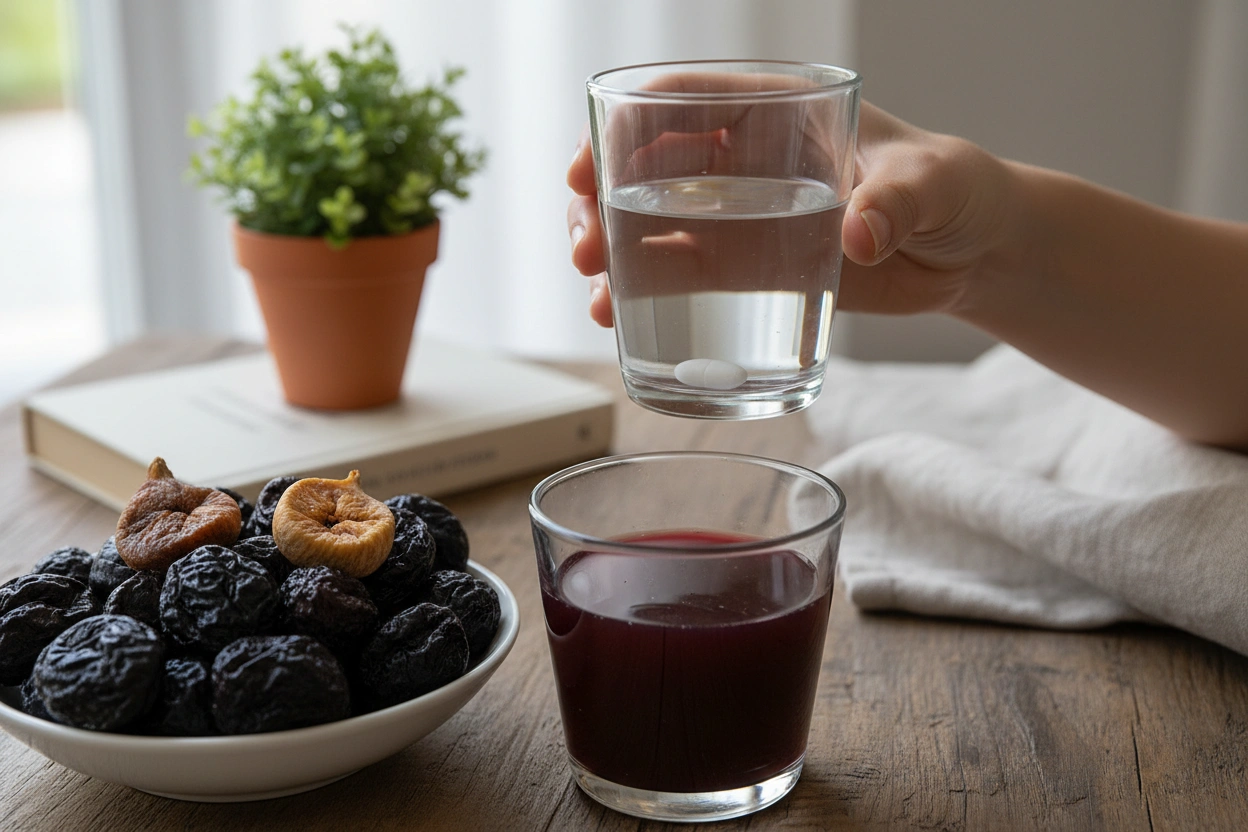
GLP-1, or glucagon-like peptide-1, is a hormone that plays a crucial role in glucose metabolism and appetite regulation. Medications like Ozempic mimic the effects of GLP-1, which can lead to significant weight loss and improved blood sugar control for individuals with type 2 diabetes. However, these benefits often come with gastrointestinal side effects, with constipation being one of the most commonly reported issues.
The Mechanism Behind GLP-1 Induced Constipation
When GLP-1 levels are elevated, they can slow down gastric emptying and reduce gastrointestinal motility. This means that food passes through the digestive system more slowly, leading to harder stools and difficulties in bowel movements. Understanding this mechanism is crucial for developing effective strategies to mitigate constipation.
Why Constipation Occurs with Ozempic
Many patients report that the constipation experienced while on Ozempic can be persistent and uncomfortable. This is due in part to the medication's effects on gut motility, as well as potential dietary changes that may accompany the treatment. It's essential for individuals to recognize these changes and take proactive steps towards relief.
Probiotics: A Promising Solution for Gut Health
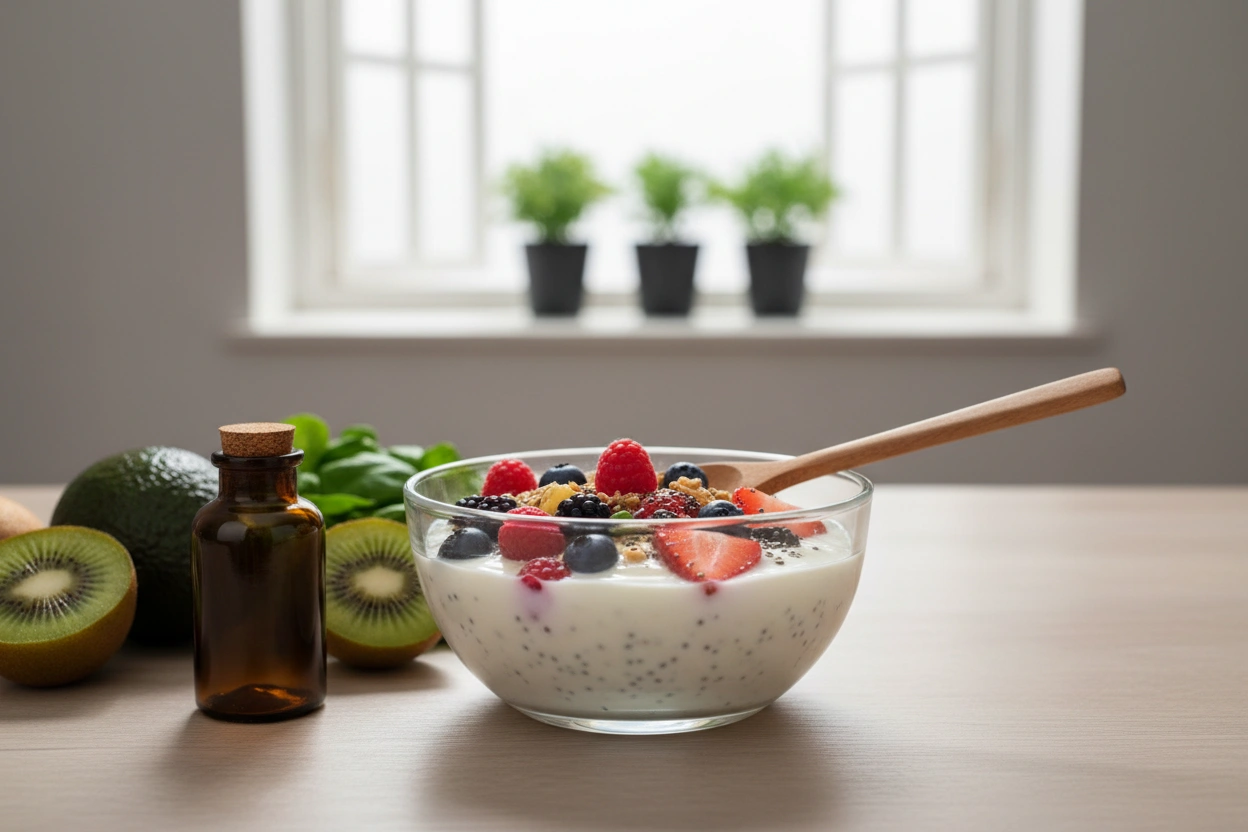
Probiotics are live microorganisms that provide health benefits when consumed in adequate amounts. They are known for their positive effects on gut health, including the improvement of digestive function and the promotion of regular bowel movements.
How Probiotics Work
Probiotics help maintain a healthy balance of gut bacteria, which can be disrupted by medications like Ozempic. They can enhance gut motility and improve stool consistency, making them a valuable ally in managing constipation. Common probiotic strains that may aid in relieving constipation include:
- Lactobacillus rhamnosus: Known for its ability to enhance gut motility and reduce constipation.
- Bifidobacterium lactis: Effective in improving stool frequency and consistency.
- Saccharomyces boulardii: A beneficial yeast that can help restore gut flora balance and alleviate constipation.
Incorporating Probiotics into Your Diet
To effectively use probiotics for GLP-1 constipation relief, consider the following options:
- Yogurt: Choose live-culture yogurt for a delicious source of probiotics.
- Kefir: This fermented drink is rich in probiotics and can be a refreshing addition to your diet.
- Fermented Foods: Foods like sauerkraut, kimchi, and miso are excellent sources of beneficial bacteria.
- Probiotic Supplements: If dietary sources are insufficient, consider a high-quality probiotic supplement.
Fiber: The Essential Nutrient for Digestive Health
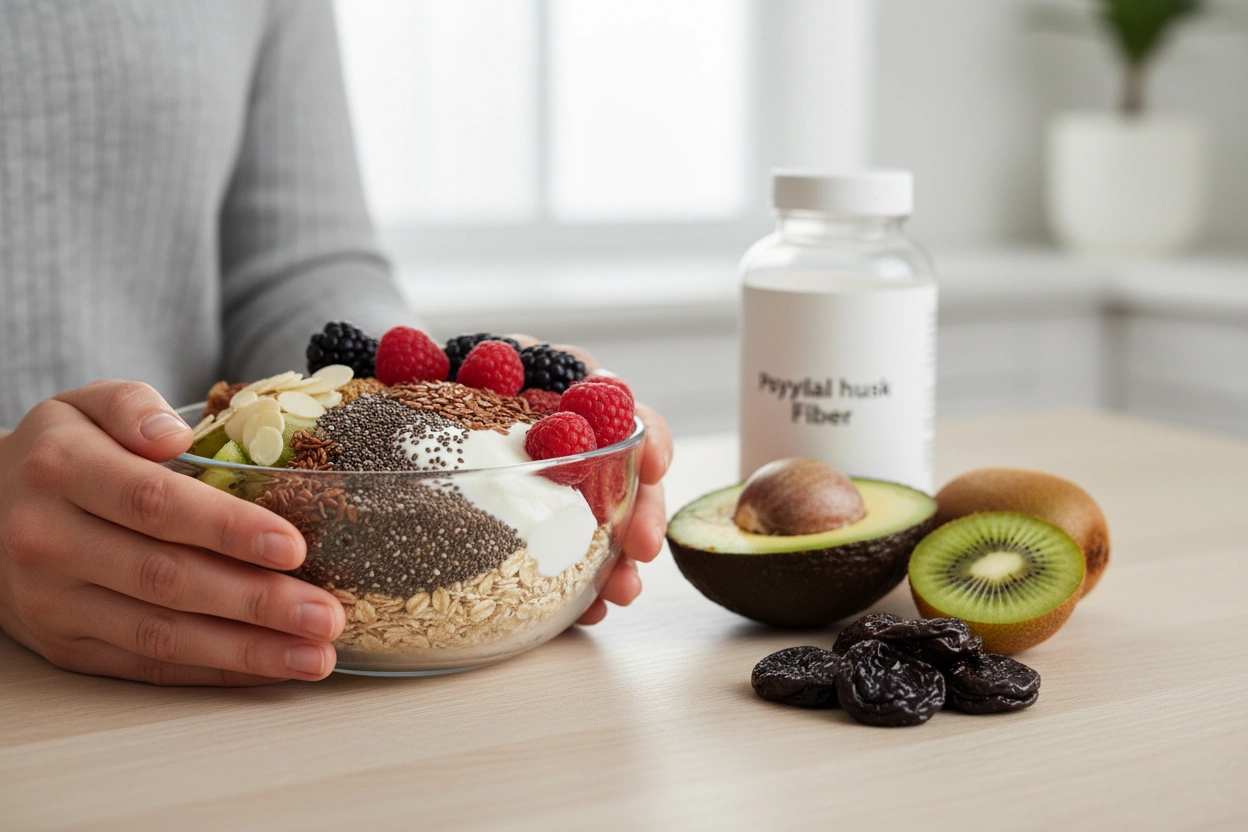
Fiber is another critical component in managing constipation. It adds bulk to the stool and helps regulate bowel movements. There are two types of dietary fiber: soluble and insoluble, both of which play distinct roles in gut health.
The Role of Soluble and Insoluble Fiber
- Soluble Fiber: Found in foods like oats, beans, and fruits, soluble fiber absorbs water and forms a gel-like substance in the gut. This can help soften stools and make them easier to pass.
- Insoluble Fiber: Present in whole grains, nuts, and vegetables, insoluble fiber adds bulk to the stool and promotes movement through the digestive tract.
How Much Fiber Do You Need?
The recommended daily intake of fiber varies based on age and gender, but a general guideline is:
- Men: 38 grams per day
- Women: 25 grams per day
Incorporating a variety of fiber-rich foods into your diet can enhance digestive health and alleviate constipation.
Probiotics vs. Fiber: Which is Better for GLP1 Constipation Relief?
While both probiotics and fiber are effective in managing constipation, their mechanisms of action and benefits differ. Understanding these differences can help individuals decide which option may work best for them.
Comparing the Benefits
Probiotics:
- Improve gut microbiota balance
- Enhance gut motility
- May reduce bloating and gas
Fiber:
- Increases stool bulk
- Promotes regular bowel movements
- Helps prevent constipation in the long term
Common Misconceptions
A common misconception is that taking fiber alone is sufficient for constipation relief. While fiber is essential, incorporating probiotics can provide additional benefits, particularly for those experiencing symptoms while on GLP-1 medications.
Actionable Strategies for Managing GLP1 Constipation
To effectively address GLP1 constipation, consider these actionable strategies:
Dietary Adjustments
- Increase Fiber Intake: Incorporate a variety of fiber-rich foods into your daily meals.
- Stay Hydrated: Drink plenty of water to help fiber work effectively in the digestive system.
- Include Probiotics: Add sources of probiotics to your diet for enhanced gut health.
Lifestyle Changes
- Regular Exercise: Engage in physical activity to promote gut motility and improve overall digestive health.
- Establish a Routine: Try to set regular times for bowel movements to encourage consistency.
Monitoring and Adjusting
Keep track of your dietary changes and how they affect your bowel movements. If you find that one approach isn't working, don't hesitate to adjust your strategy. Consulting a healthcare professional can also provide personalized guidance.
The Intersection of Probiotics and Fiber for Optimal Relief
In exploring the question, "What can I take for GLP1 constipation?" it becomes clear that both probiotics and fiber offer unique benefits. While fiber helps bulk up the stool and promotes movement, probiotics enhance gut health and motility. For optimal relief, combining both strategies may yield the best results.
FlowWell — Finally Feel Good on Your GLP
By understanding the roles of probiotics and fiber, individuals can take proactive steps to manage GLP1 constipation related to GLP-1 medications effectively. FlowWell — Finally Feel Good on Your GLP offers solutions that can complement dietary and lifestyle changes, providing a holistic approach to digestive health.
If you're looking for tailored support in managing your GLP-1 constipation, consider exploring the options available through FlowWell — Finally Feel Good on Your GLP. Your journey to digestive comfort starts today!
Contact FlowWell — Finally Feel Good on Your GLP for more information on how we can assist you in overcoming GLP-1 constipation and achieving overall wellness.