Simple Diet Tweaks: How to Stop GLP1 Constipation Naturally
Discover natural ways to stop GLP1 constipation with simple diet tweaks that enhance comfort and overall health for those on GLP-1 medications.
Simple Diet Tweaks: How to Stop GLP1 Constipation Naturally
Constipation is a common side effect for individuals taking GLP-1 medications, which are often prescribed for weight management and diabetes management. While these medications can be incredibly beneficial, managing side effects like constipation is crucial for overall health and comfort. Understanding how to stop GLP1 constipation naturally can significantly enhance the quality of life for those affected. This article will explore effective dietary tweaks and lifestyle changes that can help alleviate this uncomfortable condition.
Understanding GLP-1 Medications and Their Side Effects
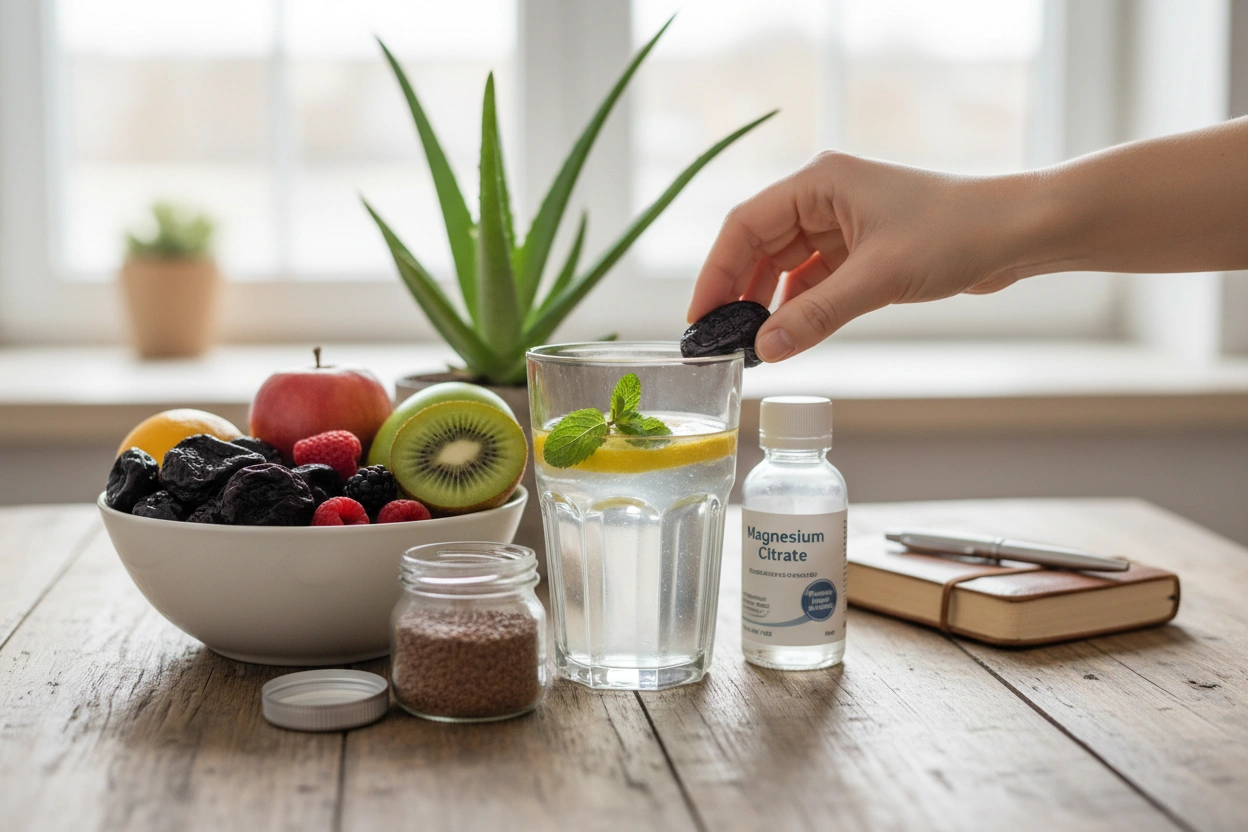
What are GLP-1 Medications?
GLP-1 (glucagon-like peptide-1) medications are designed to help regulate blood sugar levels and promote weight loss. They work by mimicking the action of the GLP-1 hormone, which stimulates insulin secretion, inhibits glucagon release, and slows gastric emptying. While these medications can be effective in managing diabetes and obesity, they come with a range of side effects.
Common Side Effects of GLP-1 Medications
Among the various side effects associated with GLP-1 medications, constipation is one of the most frequently reported. Other common side effects include:
- Nausea
- Vomiting
- Diarrhea
- Abdominal pain
Understanding these side effects is crucial for managing GLP-1 medication side effects effectively. For many individuals, the discomfort of constipation can overshadow the benefits of GLP-1 therapy, leading to a need for practical solutions.
How to Stop GLP1 Constipation: Dietary Tweaks
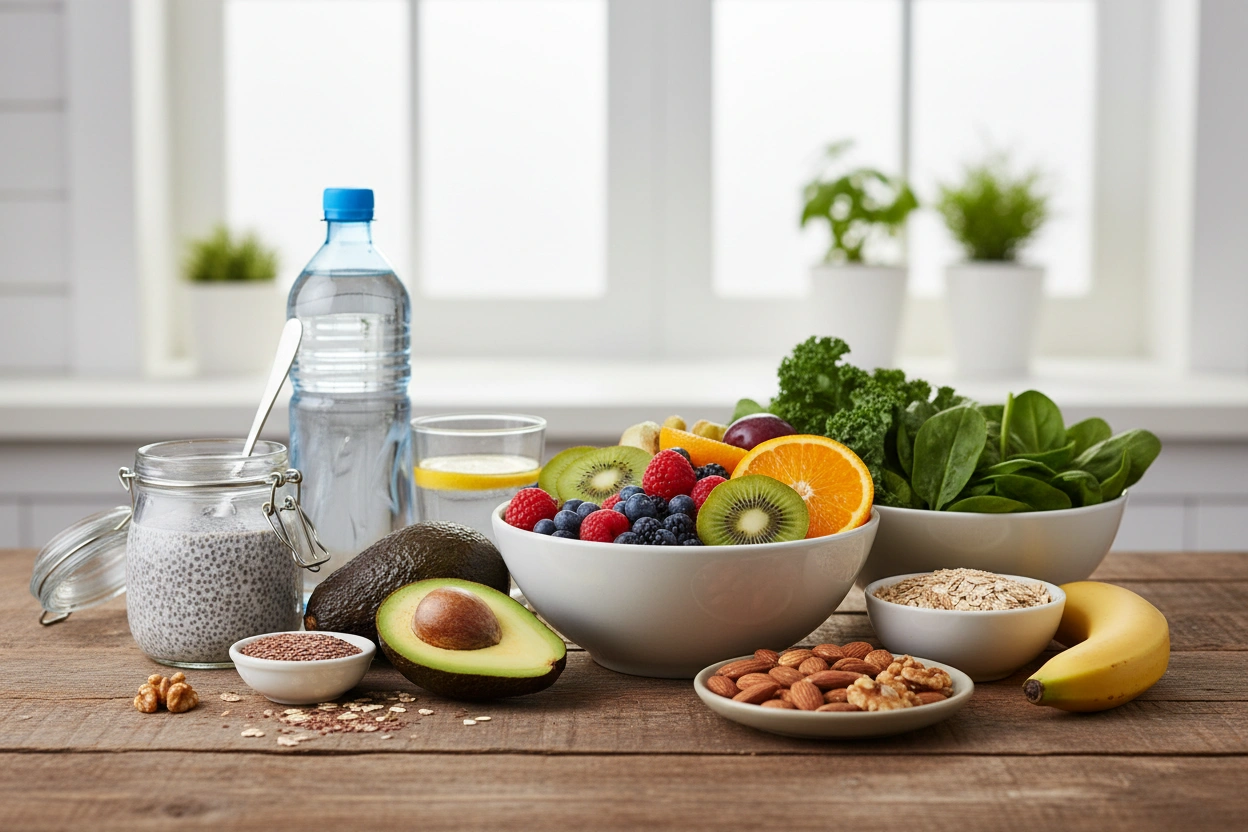
Diet plays a pivotal role in managing constipation. Here are some dietary adjustments that can help individuals who are experiencing this side effect from GLP-1 medications.
Increase Dietary Fiber Intake
Fiber is essential for promoting healthy digestion and regular bowel movements. Individuals taking GLP-1 medications should aim to increase their fiber intake through various food sources:
- Fruits and Vegetables: Incorporate a variety of fruits and vegetables, such as apples, pears, carrots, and broccoli, which are high in fiber.
- Whole Grains: Opt for whole grains like brown rice, quinoa, and whole-wheat bread instead of refined grains.
- Legumes: Beans, lentils, and chickpeas are excellent sources of fiber and can easily be added to salads and soups.
The recommended daily fiber intake is around 25 grams for women and 38 grams for men. Gradually increasing fiber intake can help avoid gas and bloating, which can worsen constipation.
Stay Hydrated
Adequate hydration is crucial for preventing constipation. Adequate hydration is crucial for preventing constipation. Water helps soften stool and supports digestive processes. Here are some tips for maintaining hydration:
- Aim for at least eight 8-ounce glasses of water daily.
- Include hydrating foods like cucumbers, watermelon, and oranges in your diet.
- Limit caffeine and alcohol, as they can lead to dehydration.
Hydration needs can vary based on activity level and climate, so it’s essential to adjust fluid intake accordingly.
Incorporate Probiotics
Probiotics are beneficial bacteria that support gut health and can aid in digestion. Including probiotic-rich foods in the diet can help alleviate constipation. Some excellent sources of probiotics include:
- Yogurt with live cultures
- Kefir
- Sauerkraut
- Kimchi
If dietary sources are insufficient, consider taking a probiotic supplement after consulting with a healthcare provider.
Lifestyle Changes to Consider
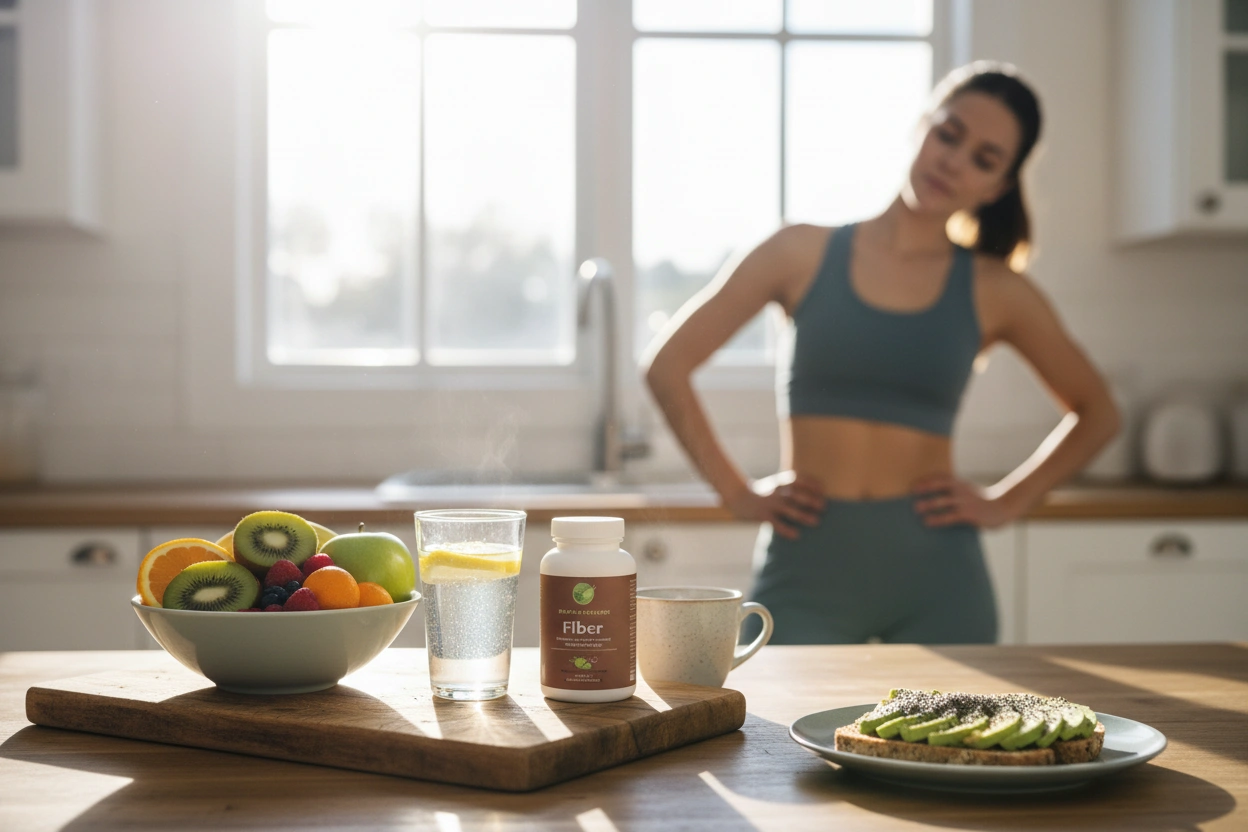
In addition to dietary tweaks, certain lifestyle changes can also help manage constipation effectively.
Regular Physical Activity
Engaging in regular physical activity can stimulate bowel function and reduce constipation. Aim for at least 150 minutes of moderate aerobic exercise weekly. Activities that promote movement include:
- Walking
- Swimming
- Cycling
- Yoga
Incorporating more movement into daily routines, such as taking the stairs instead of the elevator or going for short walks during breaks, can also be beneficial.
Establish a Routine
Developing a regular bowel routine can help train the body to have more consistent bowel movements. Consider the following strategies:
- Set aside time each day to use the bathroom, ideally after meals when the digestive system is most active.
- Create a relaxing environment in the bathroom to ease the process.
- Avoid rushing and give yourself ample time to go.
Establishing a routine can enhance bowel regularity and comfort.
Common Mistakes and How to Avoid Them
When trying to manage constipation, individuals often make certain mistakes that can exacerbate the issue. Here are some common pitfalls and how to avoid them.
Ignoring Symptoms
Some individuals may dismiss mild constipation as a temporary issue and avoid addressing it. Ignoring symptoms can lead to more severe constipation and discomfort. It is essential to recognize the signs and take proactive steps.
Over-relying on Laxatives
While laxatives can provide quick relief, over-reliance on them can lead to dependency and worsen constipation over time. Instead, focus on natural dietary and lifestyle changes to promote regularity.
Sudden Dietary Changes
Making drastic changes to diet can lead to digestive upset. Gradually introduce fiber-rich foods and ensure adequate hydration to allow the body to adjust.
Conclusion: Embracing Simple Dietary Tweaks for Better Health
Managing GLP-1 medication side effects, especially constipation, can significantly enhance your quality of life. By implementing simple dietary tweaks such as increasing fiber intake, staying hydrated, and incorporating probiotics, individuals can effectively combat constipation. Additionally, lifestyle changes like regular physical activity and establishing a routine can further support digestive health.
With the right strategies in place, you can navigate the challenges of GLP-1 medications more comfortably. FlowWell — Finally Feel Good on Your GLP can provide further insights and support as you implement these changes.
For more personalized advice and solutions tailored to your needs, visit FlowWell — Finally Feel Good on Your GLP. Take the first step towards feeling better today!