Soluble vs Insoluble: Choosing the Right Fiber-Rich Foods for Digestive Health
Discover the benefits of soluble and insoluble fiber. Learn how to choose fiber-rich foods for digestive health and enhance your wellness.
Soluble vs Insoluble: Choosing the Right Fiber-Rich Foods for Digestive Health
Fiber plays an essential role in digestive health, acting as a natural regulator of bowel movements and contributing to overall wellness. With two primary types of dietary fiber—soluble and insoluble—understanding their distinct benefits can significantly influence your food choices. This comprehensive guide delves into fiber-rich foods for digestive health, providing clarity on how to incorporate these crucial nutrients into your diet effectively.
Understanding Dietary Fiber

Dietary fiber is a type of carbohydrate that the body cannot digest. Instead of breaking down into sugar molecules, it passes through the digestive system relatively intact. This characteristic is what makes fiber a key player in maintaining digestive health. It is primarily categorized into two types: soluble and insoluble, each offering unique benefits.
Soluble Fiber
Soluble fiber dissolves in water to form a gel-like substance. This type of fiber can help to lower blood cholesterol levels and stabilize blood sugar levels. Foods rich in soluble fiber include:
- Oats
- Barley
- Nuts
- Seeds
- Beans
- Lentils
- Peas
- Certain fruits like apples, oranges, and berries
Incorporating these foods into your diet can help improve digestion and provide a sense of fullness, which is beneficial for weight management. Soluble fiber also supports the growth of beneficial bacteria in the gut, enhancing overall gut health.
Insoluble Fiber
In contrast, insoluble fiber does not dissolve in water. It adds bulk to the stool and aids in moving food through the digestive tract, making it essential for preventing constipation. Key sources of insoluble fiber include:
- Whole grains (such as whole wheat and brown rice)
- Vegetables (like carrots, cucumbers, and tomatoes)
- Nuts
- Seeds
- The skins of fruits
Insoluble fiber promotes regular bowel movements and can help prevent digestive disorders such as diverticulitis and hemorrhoids. Including a variety of these foods in your diet can ensure a healthy digestive system.
The Benefits of Fiber-Rich Foods for Digestive Health
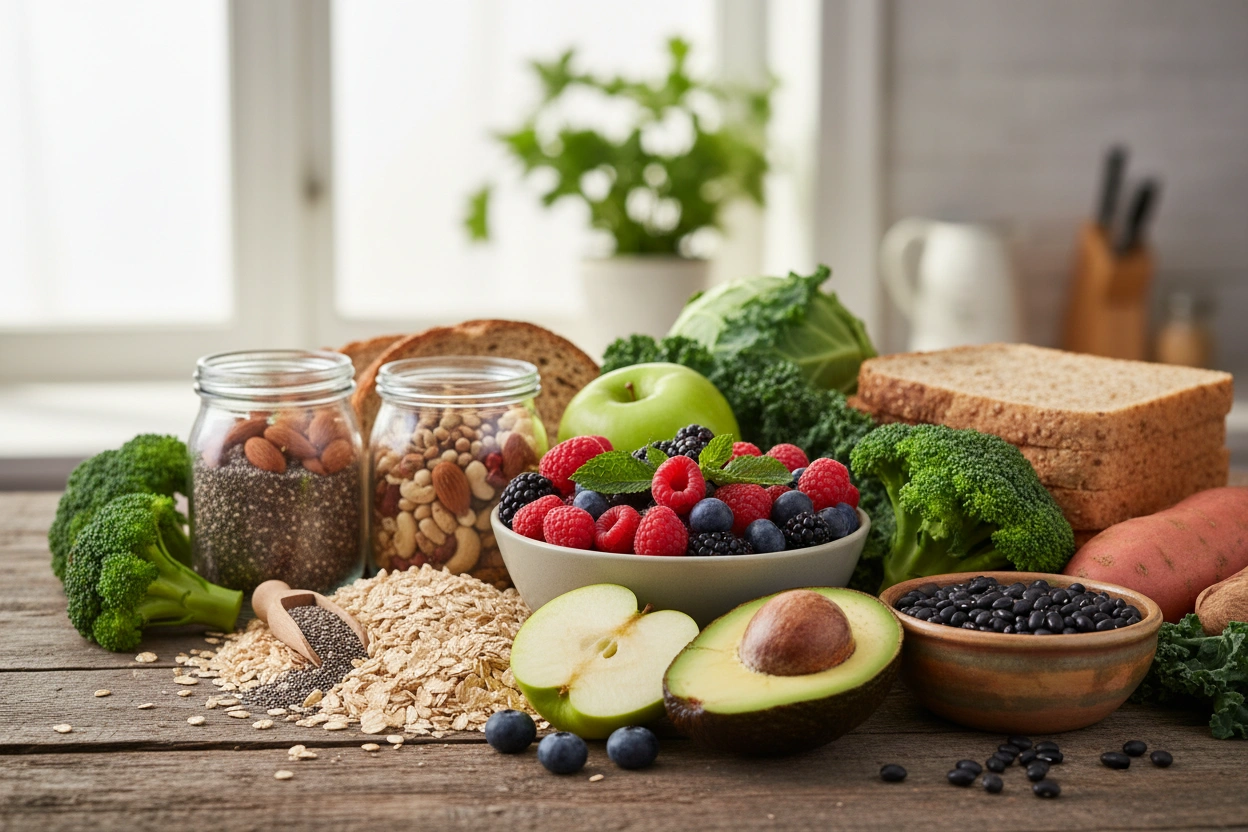
Fiber-rich foods for digestive health offer numerous advantages beyond just promoting regularity. Here are some key benefits to consider:
1. Improved Digestive Health
Fiber aids in maintaining a healthy digestive system by promoting regular bowel movements and preventing constipation. It helps to bulk up the stool, making it easier to pass. This is particularly crucial for individuals suffering from irritable bowel syndrome (IBS) or other digestive disorders.
2. Weight Management
High fiber foods can help control appetite. They tend to be more filling than low-fiber foods, which can lead to reduced overall calorie intake. This is a valuable strategy for individuals looking to manage their weight effectively.
3. Heart Health
Soluble fiber is known to lower cholesterol levels, which can reduce the risk of heart disease. By incorporating more soluble fiber into your diet, you can contribute to better cardiovascular health.
4. Blood Sugar Control
Fiber can slow the absorption of sugar, helping to regulate blood sugar levels. This is particularly beneficial for individuals with diabetes or those at risk of developing the condition.
5. Gut Health
A diet rich in fiber promotes the growth of beneficial gut bacteria. These bacteria play a crucial role in digestion, immune function, and even mental health. Consuming a variety of fiber sources can lead to a diverse gut microbiome, which is essential for overall health.
How to Incorporate Fiber-Rich Foods into Your Diet
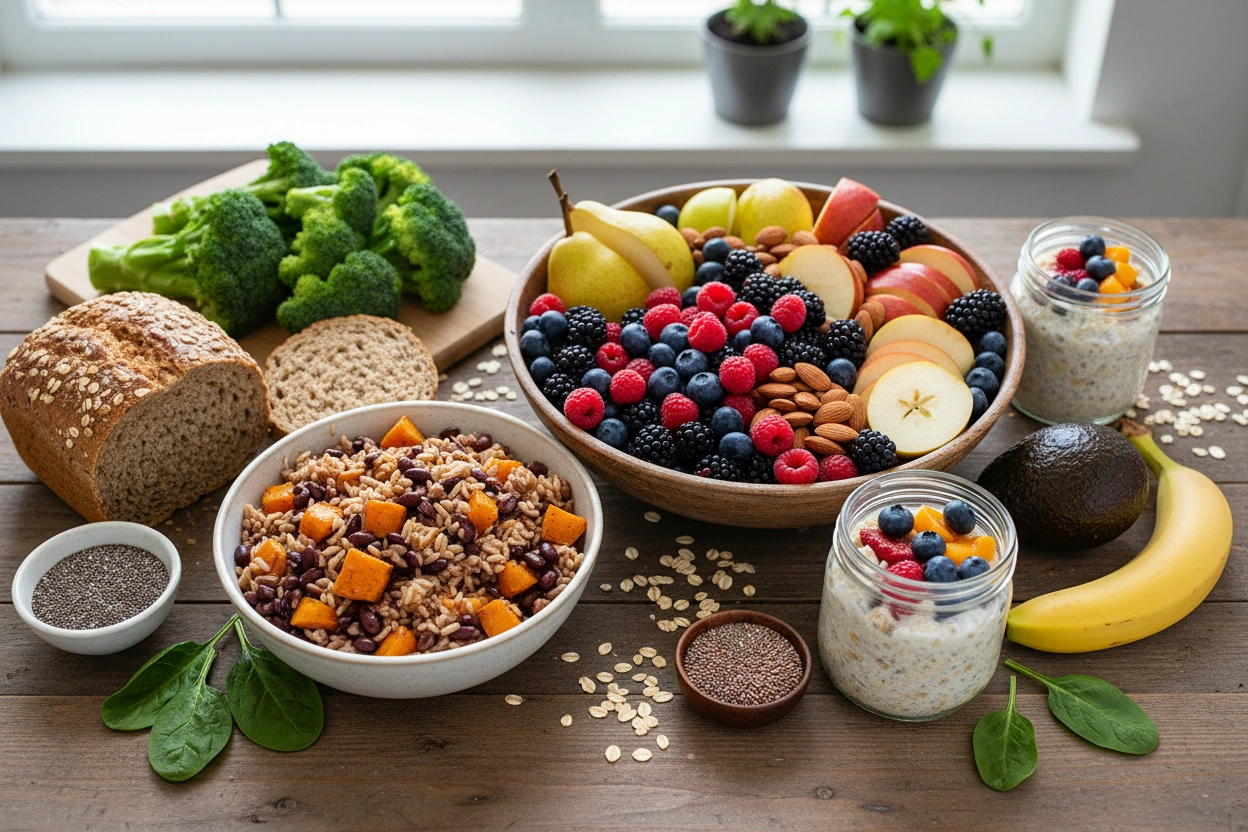
Adding fiber-rich foods for digestive health into your diet doesn't have to be overwhelming. Here are some practical strategies to enhance your fiber intake:
Start Your Day with Fiber
Begin your day with a high-fiber breakfast. Consider oatmeal topped with fruits and nuts or whole-grain toast with avocado. This sets a positive tone for your fiber intake throughout the day.
Snack Wisely
Choose snacks that are high in fiber, such as raw vegetables, fruits, or whole-grain crackers. These not only satisfy hunger but also contribute to your daily fiber goals.
Include Legumes in Meals
Incorporate beans and lentils into soups, salads, or as side dishes. They are excellent sources of both soluble and insoluble fiber and can enhance the nutritional profile of your meals.
Opt for Whole Grains
Whenever possible, choose whole-grain products over refined grains. Whole grains retain their fiber content, which is beneficial for digestive health.
Gradually Increase Fiber Intake
When increasing fiber intake, do so gradually to allow your digestive system to adjust. This approach can help prevent discomfort such as bloating or gas.
Common Misconceptions About Fiber
Understanding fiber can be complicated, and several misconceptions may lead to poor dietary choices. Here are a few common myths and the truths behind them:
Myth 1: All Fiber is the Same
Not all fiber is created equal. Soluble and insoluble fibers serve different purposes in the body. A balanced diet should include both types for optimal digestive health.
Myth 2: Fiber Supplements are Just as Good as Whole Foods
While fiber supplements can help increase your intake, they often lack the additional nutrients found in whole foods. Whole foods provide vitamins, minerals, and antioxidants that supplements do not.
Myth 3: Increasing Fiber Intake is Difficult
Incorporating fiber-rich foods can be simple and enjoyable. With a little planning, you can easily increase your fiber intake through delicious meals and snacks.
Potential Risks of Excessive Fiber Intake
While fiber is essential for good health, excessive intake can lead to digestive discomfort. Here are some potential issues to watch for:
1. Bloating and Gas
A sudden increase in fiber can cause bloating and gas. It's crucial to gradually increase your intake and drink plenty of water to aid digestion. This approach can help prevent discomfort such as bloating or gas.
2. Nutrient Absorption Issues
Excessive fiber can interfere with the absorption of certain nutrients, including iron, calcium, and zinc. A balanced approach is essential for overall health.
3. Gastrointestinal Blockage
In rare cases, extremely high fiber intake without sufficient hydration can lead to gastrointestinal blockages. Always ensure adequate fluid intake when consuming a high-fiber diet.
The Intersection of Soluble and Insoluble Fiber
Both soluble and insoluble fibers work together to support digestive health. A diet rich in fiber includes a balance of both types, which can help mitigate the potential risks associated with excessive fiber intake while maximizing the health benefits.
To achieve this balance, aim for a variety of fiber sources each day. This may involve combining foods like oatmeal topped with fruits (soluble) and a side salad with whole grains (insoluble) to ensure you are meeting your fiber needs effectively.
Conclusion: Embracing Fiber for Better Digestive Health
Understanding the differences between soluble and insoluble fiber is crucial for making informed dietary choices that promote digestive health. By incorporating fiber-rich foods into your daily meals, you can support your digestive system, manage your weight, and improve your overall well-being.
FlowWell — Finally Feel Good on Your GLP provides guidance and resources to help you navigate your journey toward better health. Embrace fiber-rich foods for digestive health and explore how FlowWell — Finally Feel Good on Your GLP can assist you in achieving your health goals.
For more information on how to incorporate fiber into your diet and to discover additional resources, visit FlowWell — Finally Feel Good on Your GLP today.