Top Diet Tips for What Can I Take for GLP1 Constipation Relief
Discover effective diet tips for GLP1 constipation relief. Learn what can I take for GLP1 constipation and improve your digestive health today.
Top Diet Tips for What Can I Take for GLP1 Constipation Relief
Constipation is a common side effect associated with GLP-1 receptor agonists, such as Ozempic. As more individuals turn to these medications for weight management and diabetes control, understanding how to alleviate constipation becomes essential. This article provides a comprehensive guide on what can I take for GLP1 constipation relief, offering actionable dietary tips, lifestyle adjustments, and insights into effective management strategies.
Understanding GLP-1 and Its Impact on Digestion
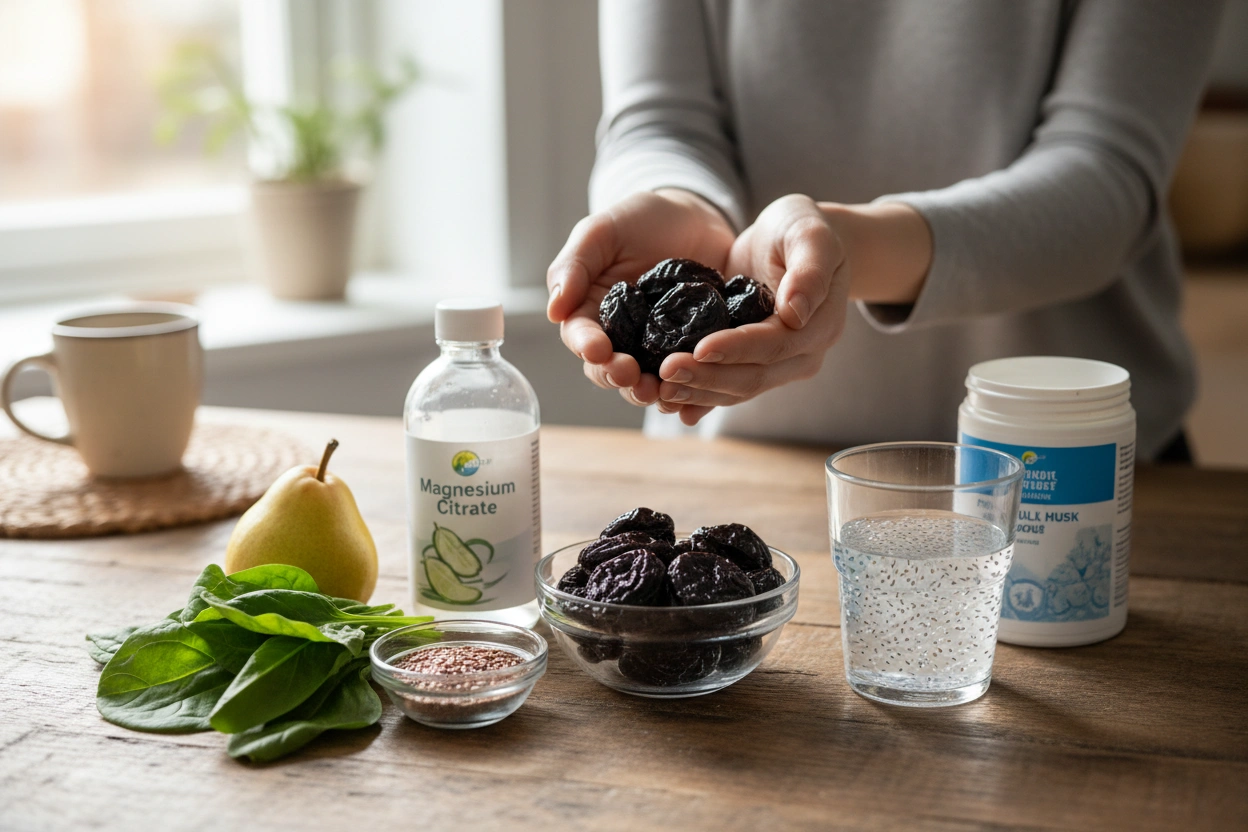
GLP-1, or glucagon-like peptide-1, is a hormone that plays a critical role in glucose metabolism. It enhances insulin secretion, slows gastric emptying, and promotes satiety. While these functions are beneficial for managing diabetes and obesity, they can also lead to gastrointestinal side effects, including constipation.
The Mechanism Behind Constipation
The mechanism of GLP-1's effect on digestion involves delayed gastric emptying and reduced intestinal motility. When gastric emptying slows down, food remains in the stomach longer, which can lead to feelings of fullness but may also contribute to constipation. Additionally, the decrease in motility can hinder the movement of stool through the intestines, resulting in discomfort and irregular bowel movements.
Common Symptoms of GLP-1 Induced Constipation
Recognizing the symptoms of constipation is crucial for effective management. Common symptoms include:
- Infrequent bowel movements (fewer than three times a week)
- Difficulty or pain during bowel movements
- Hard, dry stools
- A feeling of incomplete evacuation
Understanding these symptoms can help individuals identify constipation early and seek appropriate remedies.
Dietary Strategies for GLP-1 Constipation Relief
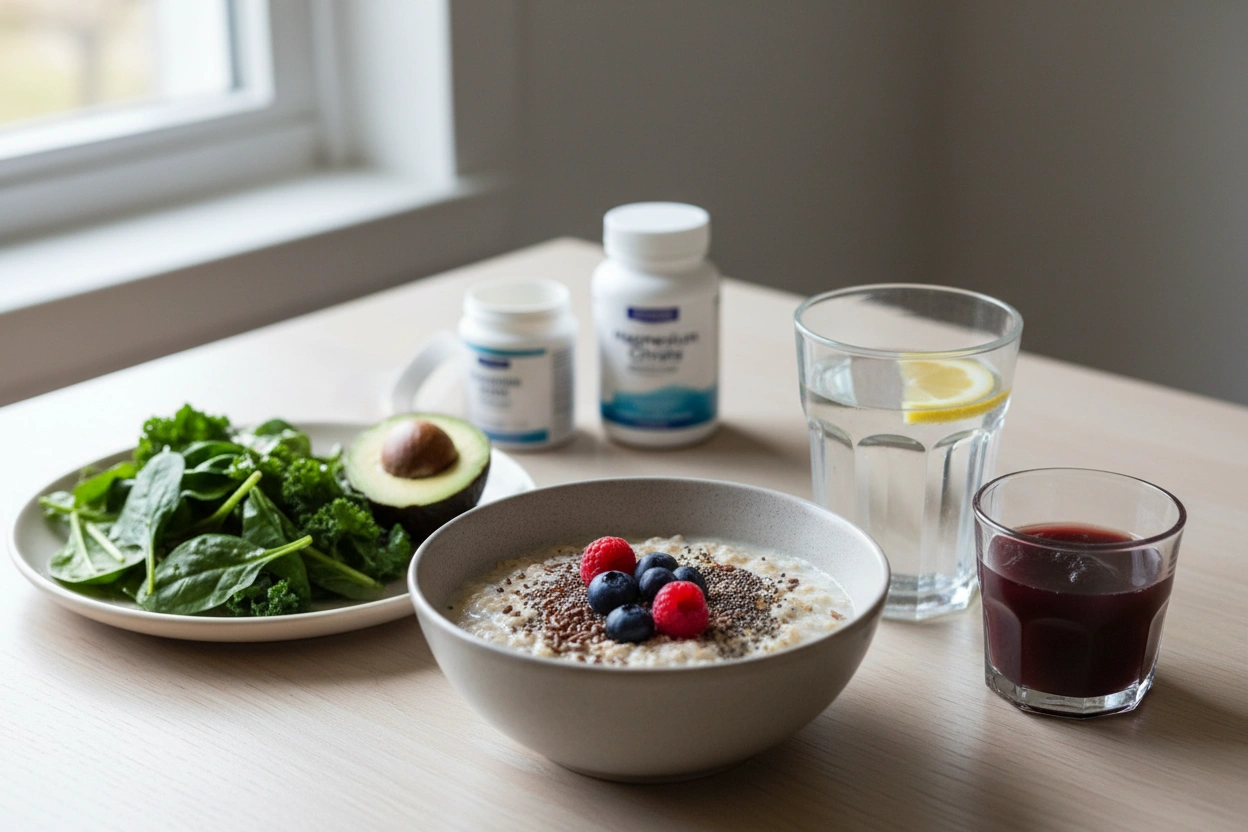
Diet plays a significant role in managing constipation. Implementing specific dietary changes can help alleviate symptoms and promote regular bowel movements. Here are some effective strategies:
Increase Fiber Intake
A high-fiber diet is essential for maintaining healthy digestion. Fiber adds bulk to the stool, making it easier to pass. Aim for a daily intake of 25 to 30 grams of fiber from various sources:
Fruits and Vegetables: Incorporate a variety of colorful fruits and vegetables into your meals. Options like apples, pears, berries, broccoli, and carrots are excellent sources of fiber.
Whole Grains: Choose whole grain products over refined grains. Foods such as oatmeal, brown rice, quinoa, and whole grain bread provide more fiber and nutrients.
Legumes and Nuts: Beans, lentils, and nuts not only add fiber but also provide protein and healthy fats. Consider adding chickpeas to salads or snacking on almonds for a nutritious boost.
Stay Hydrated
Adequate hydration is crucial for digestive health. Water helps soften the stool and promotes regular bowel movements. Here are some tips for staying hydrated:
- Aim for at least eight glasses of water daily, adjusting based on activity level and climate.
- Incorporate hydrating foods into your diet, such as cucumbers, oranges, and watermelon.
- Limit caffeinated and alcoholic beverages, as they can lead to dehydration.
Consider Probiotics
Probiotics are beneficial bacteria that can improve gut health and promote regularity. Including probiotic-rich foods in your diet may help ease constipation. Options include:
- Yogurt with live cultures
- Kefir
- Sauerkraut and kimchi
- Miso soup
These foods can help balance gut flora and enhance digestion.
Lifestyle Modifications for Managing Constipation
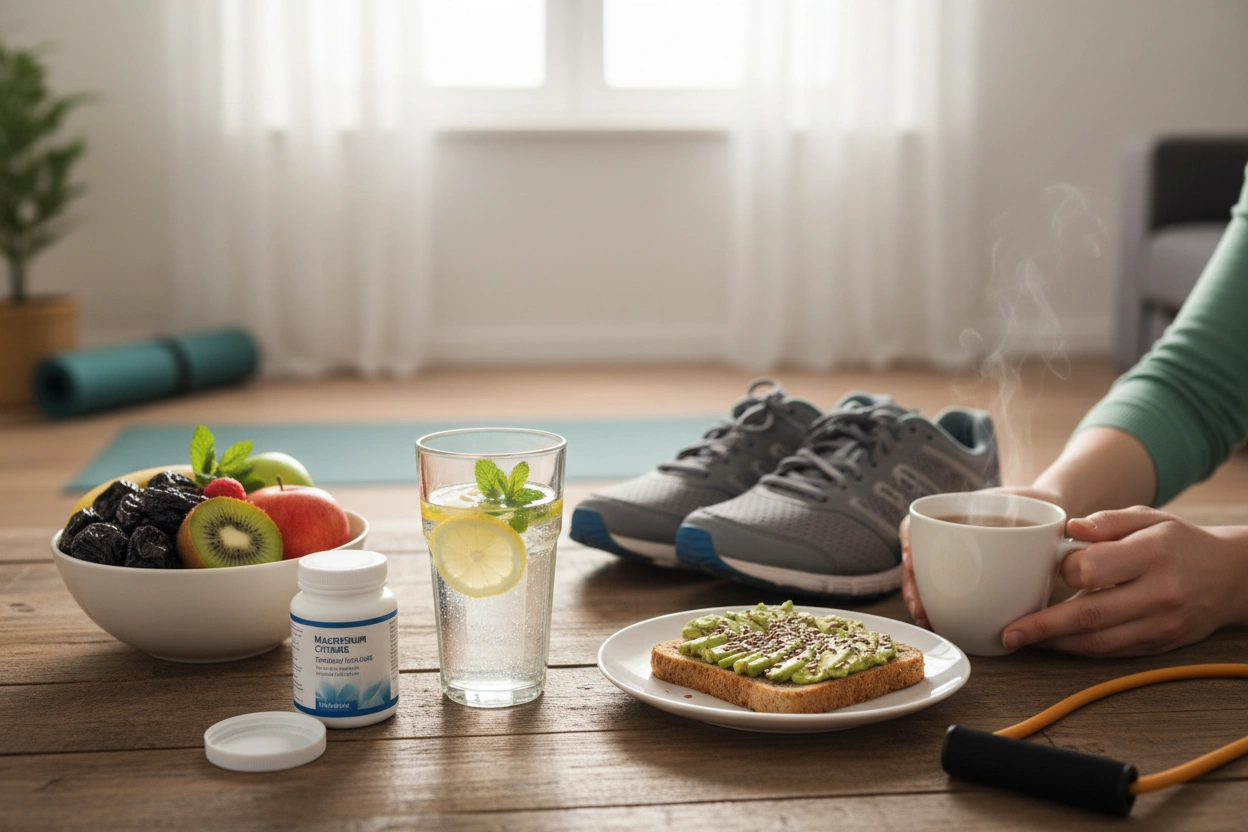
In addition to dietary changes, certain lifestyle modifications can significantly improve digestive health and alleviate constipation.
Regular Exercise
Physical activity stimulates intestinal motility and can help prevent constipation. Incorporating regular exercise into your routine can provide significant benefits:
- Aim for at least 150 minutes of moderate aerobic activity each week, such as brisk walking, swimming, or cycling.
- Consider adding strength training exercises twice a week to enhance overall fitness.
- Simple activities like stretching and yoga can also promote relaxation and digestive health.
Establish a Routine
Creating a regular schedule for meals and bathroom visits can help train your body to maintain regular bowel movements. Consider the following tips:
- Set aside time each day for bowel movements, preferably after meals when the digestive system is most active.
- Try not to rush; give yourself enough time to relax and listen to your body’s cues.
- Avoid ignoring the urge to have a bowel movement, as this can lead to further complications.
Manage Stress
Stress can negatively impact digestion and contribute to constipation. Implementing stress-reducing techniques can enhance overall well-being and promote healthy bowel function. Effective methods include:
- Mindfulness practices such as meditation and deep breathing exercises
- Engaging in hobbies and activities that bring joy
- Ensuring adequate sleep and rest
Supplements and Medications for Constipation Relief
If dietary and lifestyle changes are insufficient, several supplements and medications can provide relief from GLP-1 induced constipation.
Over-the-Counter Laxatives
There are various types of laxatives available, each working differently to alleviate constipation: over-the-counter laxatives:
- Bulk-forming laxatives: These absorb water and add bulk to the stool (e.g., psyllium).
- Stimulant laxatives: These stimulate intestinal contractions (e.g., bisacodyl).
- Osmotic laxatives: These draw water into the intestines to soften the stool (e.g., polyethylene glycol).
Always consult a healthcare provider before starting any new medication, especially if you're already taking GLP-1 medications. consulting with healthcare providers for tailored advice can enhance the effectiveness of these strategies.
Natural Supplements
Some natural supplements may help ease constipation symptoms:
- Psyllium husk: A soluble fiber that can promote regularity.
- Magnesium: This mineral can help relax the muscles in the intestines and may act as a natural laxative.
- Aloe vera: Known for its soothing properties, aloe vera juice may help with bowel movements.
Common Misconceptions About GLP-1 Constipation Relief
Understanding the truth behind common misconceptions can empower individuals to manage their symptoms effectively.
Misconception: All Fiber is the Same
Not all fiber types are equally beneficial. There are two main types of fiber: soluble and insoluble. Soluble fiber dissolves in water and can help soften stool, while insoluble fiber adds bulk. A balanced intake of both types is essential for digestive health.
Misconception: Laxatives are Always Safe
While laxatives can provide relief, they should not be used as a first-line solution. Overuse can lead to dependency and worsen constipation. It is crucial to address the underlying causes and focus on dietary and lifestyle changes first.
The Intersection of Diet and GLP-1 Constipation Relief
Finding effective relief for GLP-1 constipation is a multifaceted approach that combines diet, hydration, exercise, and appropriate supplementation. By understanding the mechanisms at play and implementing these strategies, individuals can improve their digestive health and overall well-being.
Incorporating a diet rich in fiber, staying hydrated, and managing lifestyle factors can significantly ease constipation caused by medications like Ozempic. Additionally, dietary changes help ease GLP1 constipation and consulting with healthcare providers for tailored advice can enhance the effectiveness of these strategies.
FlowWell — Finally Feel Good on Your GLP
As you navigate the challenges of GLP-1 induced constipation, remember that effective solutions are available. FlowWell — Finally Feel Good on Your GLP is dedicated to supporting your journey towards digestive health. Explore our resources to learn more about what can I take for GLP1 constipation and discover personalized strategies that work for you.
Don't hesitate to take control of your health. Visit FlowWell — Finally Feel Good on Your GLP to explore helpful tools and resources that can assist you on your path to relief.