Top High Protein Foods and Shakes to Support Your Satiety Goals
Discover high protein foods and shakes to enhance satiety and support weight management, especially for those on medications like Ozempic and Wegovy.
Top High Protein Foods and Shakes to Support Your Satiety Goals
Protein is a vital macronutrient that plays a key role in maintaining muscle mass, supporting metabolic health, and regulating hunger. In the context of weight management and satiety, understanding your protein intake and daily protein needs is crucial, especially for those using medications like Ozempic, Wegovy, and Mounjaro. These medications can alter appetite and dietary habits, making it essential to optimize protein consumption for effective weight management. This article explores the best high-protein foods and shakes tailored for individuals aiming to enhance their satiety while navigating the complexities of their dietary goals.
The Importance of Protein in Your Diet
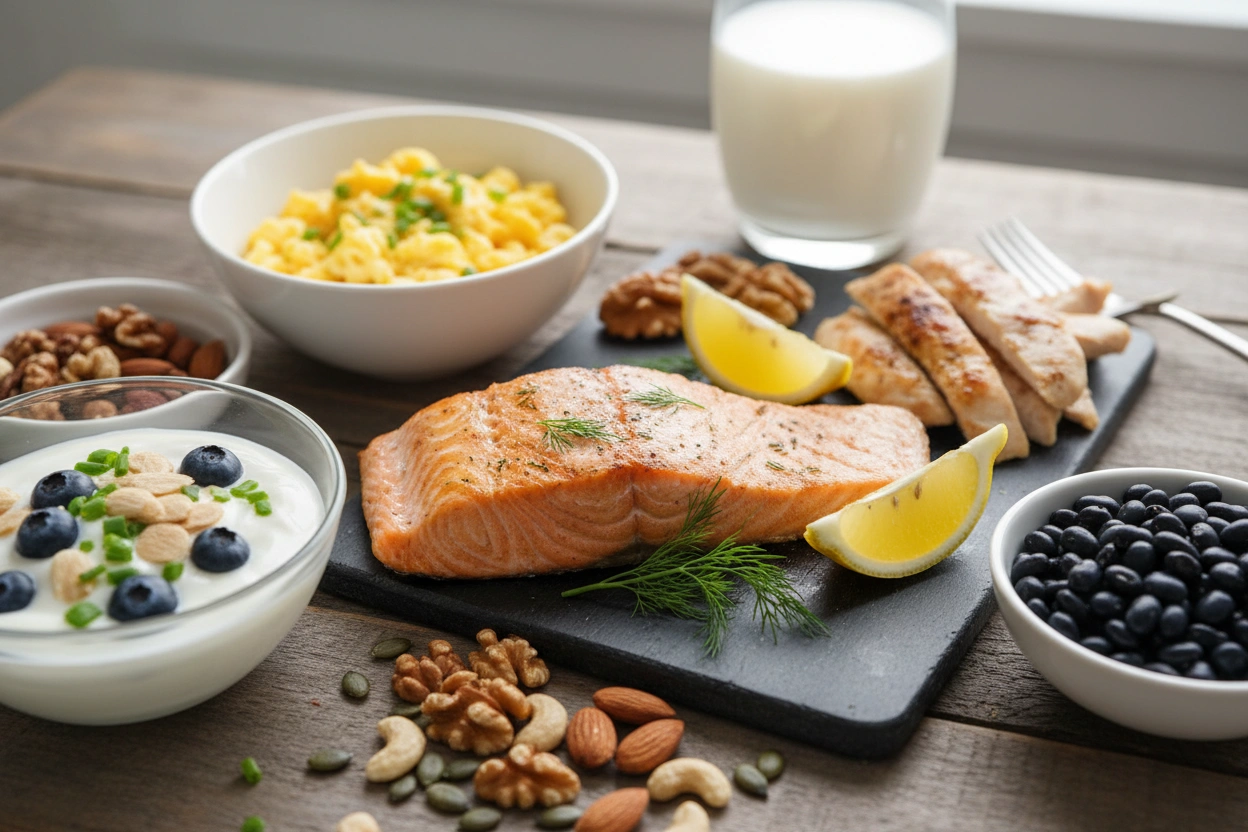
Protein is often referred to as the building block of life, and for good reason. It plays a pivotal role in numerous bodily functions, including muscle repair, hormone production, and immune system support. But beyond these functions, protein has a significant impact on satiety—the feeling of fullness after eating. This is particularly relevant for those on weight loss medications, as effective protein intake can help manage hunger levels and support a balanced diet.
When it comes to daily protein needs, the general recommendation for adults is approximately 0.8 grams of protein per kilogram of body weight. However, individuals with specific goals, such as weight loss or muscle gain, may require higher levels, often ranging from 1.2 to 2.2 grams per kilogram. Adequate protein intake not only helps in maintaining lean muscle mass but also ensures that you feel satisfied after meals, reducing the likelihood of overeating.
Common Misconceptions About Protein
Despite its importance, there are several misconceptions about protein that can hinder its effective incorporation into diets:
- All proteins are created equal: Not all protein sources provide the same benefits. Animal proteins often contain all essential amino acids, while many plant proteins may lack one or more.
- High protein diets are dangerous: Many fear that consuming high amounts of protein can strain the kidneys. However, this concern primarily applies to individuals with pre-existing kidney conditions. For healthy individuals, high protein diets can be safe and effective.
- Protein shakes are a complete meal replacement: While protein shakes can supplement your diet, they should not replace whole foods entirely. Whole foods provide essential vitamins, minerals, and fiber that protein shakes may lack.
Top High Protein Foods for Ozempic, Wegovy, and Mounjaro Users
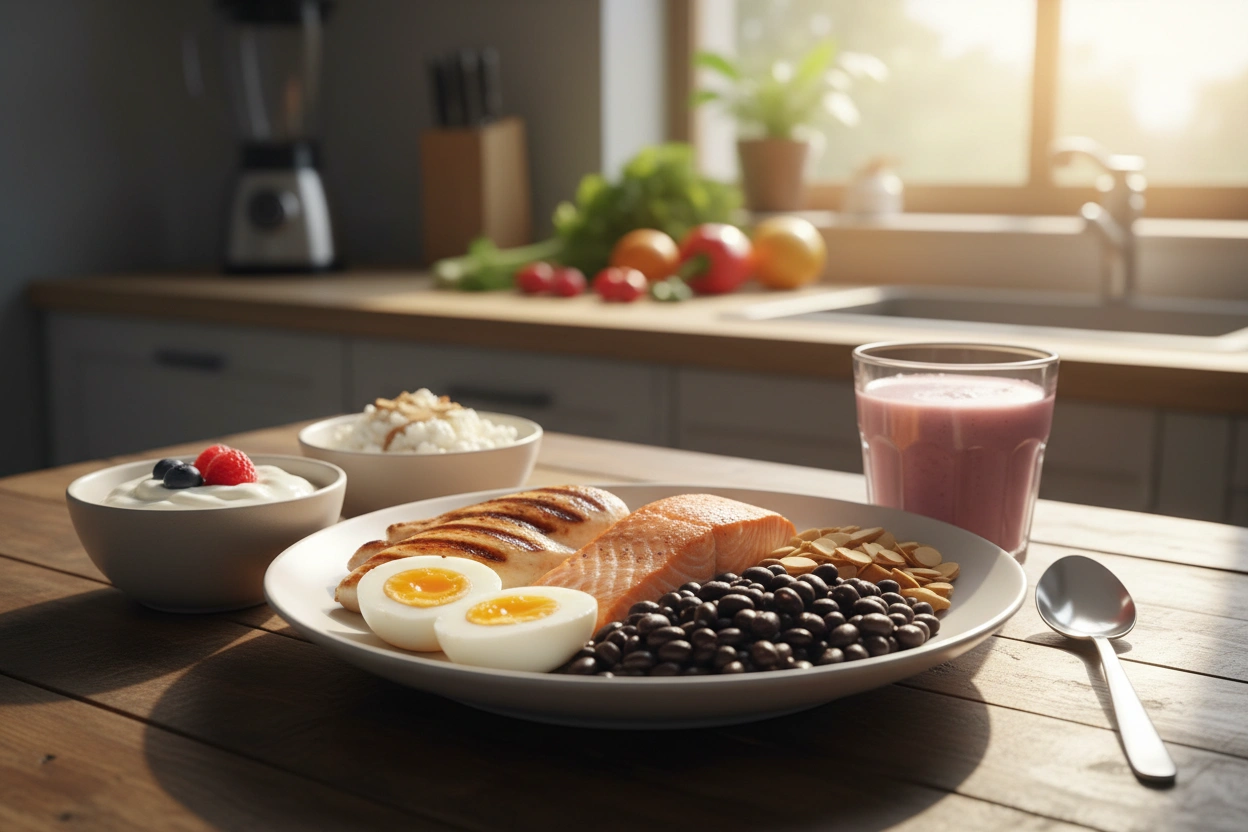
For those using medications like Ozempic, Wegovy, and Mounjaro, focusing on high-protein foods can greatly assist in managing hunger and supporting overall health. Here’s a list of some of the top high-protein foods that can easily fit into your diet:
Lean Meats
- Chicken breast
- Turkey
- Lean cuts of beef and pork
Fish and Seafood
- Salmon
- Tuna
- Shrimp
Dairy Products
- Greek yogurt
- Cottage cheese
- Skim milk
Legumes and Pulses
- Lentils
- Chickpeas
- Black beans
Nuts and Seeds
- Almonds
- Chia seeds
- Pumpkin seeds
Eggs
- Whole eggs
- Egg whites
Protein-Rich Grains
- Quinoa
- Buckwheat
- Amaranth
Understanding Protein Sources
Each of these food sources offers unique benefits that can enhance your diet. Lean meats are not only rich in protein but also low in fat, making them an excellent choice for those looking to maintain a healthy weight. Fish, particularly fatty types like salmon, provide omega-3 fatty acids, which are beneficial for heart health.
Dairy products, especially Greek yogurt and cottage cheese, are high in protein and can be used in various meals, from breakfast to snacks. Legumes are an excellent plant-based protein source, and they also offer dietary fiber, which contributes to satiety.
Nuts and seeds, while energy-dense, provide healthy fats along with protein. Eggs are a versatile protein source that can be prepared in numerous ways, making them easy to incorporate into meals. Lastly, protein-rich grains like quinoa are not only high in protein but also provide essential amino acids, making them a complete protein source.
High Protein Shakes to Enhance Satiety
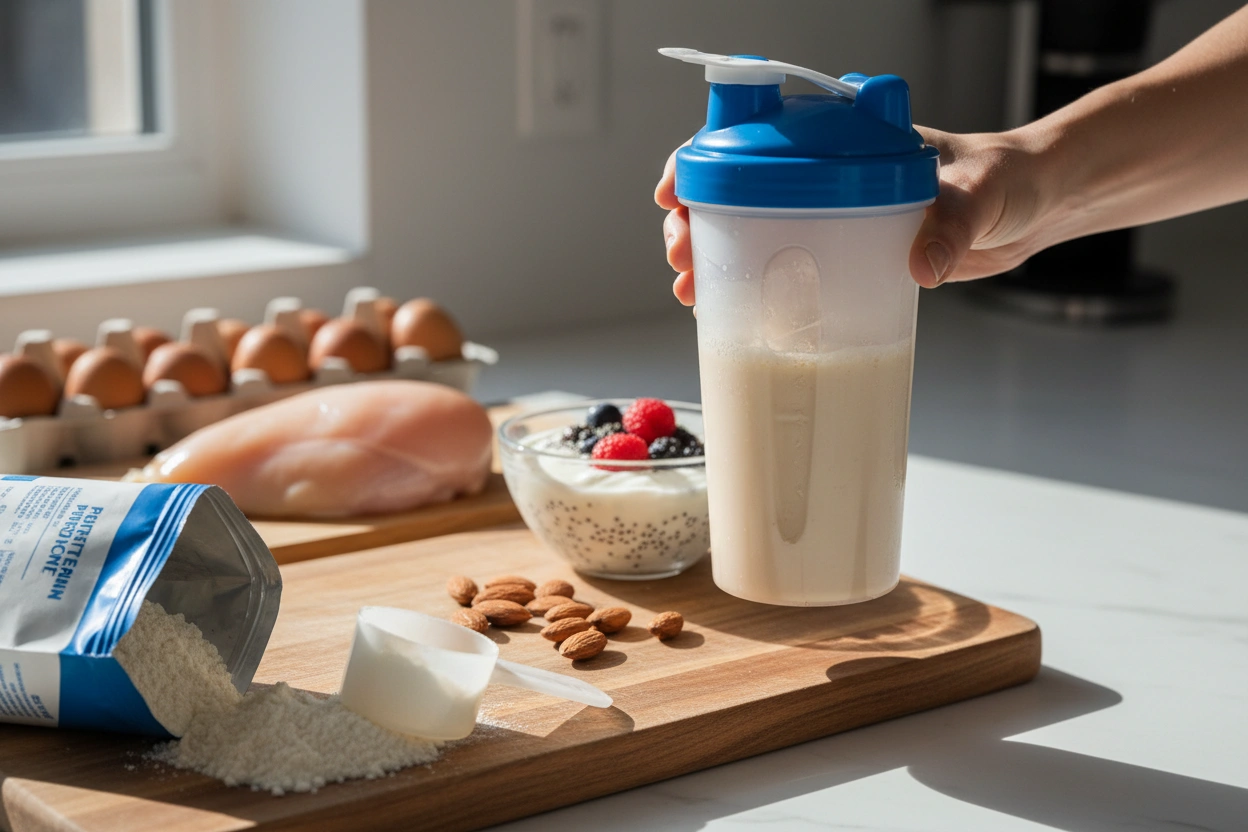
In addition to whole foods, high-protein shake recipes can be an effective way to increase your protein intake, especially for those on the go or looking for a quick meal option. Here are some of the most effective high-protein shake recipes that can help support your satiety goals:
Classic Protein Shake
- 1 scoop protein powder
- 1 cup almond milk
- 1 tablespoon peanut butter
- 1 banana
Berry Blast Protein Shake
- 1 scoop protein powder
- 1 cup mixed berries (fresh or frozen)
- 1 cup Greek yogurt
- 1 tablespoon honey
Green Protein Shake
- 1 scoop protein powder
- 1 cup spinach
- 1 small avocado
- 1 cup coconut water
Chocolate Almond Delight
- 1 scoop chocolate protein powder
- 1 cup unsweetened almond milk
- 1 tablespoon almond butter
- 1 tablespoon cacao powder
Tropical Protein Smoothie
- 1 scoop protein powder
- 1 cup pineapple chunks
- 1 cup coconut milk
- 1 tablespoon chia seeds
Tips for Making High-Protein Shakes
Creating a satisfying high-protein shake is not just about adding protein powder. Here are some tips to enhance the nutritional profile and taste:
- Incorporate healthy fats: Adding nut butter or avocado can improve satiety and provide essential nutrients.
- Use whole fruits: Fresh or frozen fruits can add natural sweetness and fiber, making your shake more filling.
- Experiment with greens: Adding spinach or kale can increase the nutrient density without significantly affecting the taste.
- Choose the right protein powder: Opt for a high-quality protein powder that fits your dietary preferences, whether it's whey, casein, or plant-based.
Common Mistakes to Avoid
While increasing your protein intake can be beneficial, there are common pitfalls that individuals may encounter:
- Relying solely on protein shakes: Whole foods should still be the primary source of protein to ensure a balanced intake of nutrients.
- Ignoring portion sizes: Even protein-rich foods can contribute to excess calorie intake if consumed in large quantities.
- Neglecting hydration: High protein diets can increase the need for hydration; ensure you are drinking enough water throughout the day.
Strategies for Meeting Daily Protein Needs
To effectively meet your daily protein needs, consider the following strategies:
- Plan your meals: Integrate protein sources into every meal and snack to spread your intake throughout the day.
- Snack smart: Choose high-protein snacks like Greek yogurt, nuts, or protein bars to help maintain energy and satiety.
- Track your intake: Use apps or journals to monitor your protein consumption, ensuring you meet your goals.
The Role of FlowWell in Your Protein Journey
As you navigate your dietary changes, it’s essential to find support that aligns with your health goals. FlowWell — Finally Feel Good on Your GLP offers resources and products designed to enhance your wellness journey. By focusing on your protein intake and overall nutrition, you can make strides towards effective weight management and improved satiety.
The Intersection of Protein and Your Health Goals
Understanding the role of protein in your diet is fundamental to achieving your satiety goals. With the right high-protein foods and shakes, you can effectively manage hunger while supporting your overall health. FlowWell — Finally Feel Good on Your GLP is committed to helping you maximize your protein intake and optimize your dietary choices for lasting health benefits.
For further support and resources on optimizing your protein intake, visit FlowWell — Finally Feel Good on Your GLP. Embrace the journey towards better health and discover how strategic protein consumption can enhance your life.