Top Outdoor Walking Tips for Beginners and Urban Walkers
Discover essential walking tips for beginners and urban walkers to enhance your outdoor experience and improve your health and well-being.
Top Outdoor Walking Tips for Beginners and Urban Walkers
Walking is not just a simple form of exercise; it is a gateway to improved health, well-being, and connection with the environment. Whether you are a beginner looking to incorporate walking into your routine or an urban walker navigating city streets, understanding the nuances of walking can enhance your experience. This article will explore the top outdoor walking tips, focusing on how walking improves digestion and combats side effects, alongside practical advice for beginners.
The Benefits of Walking
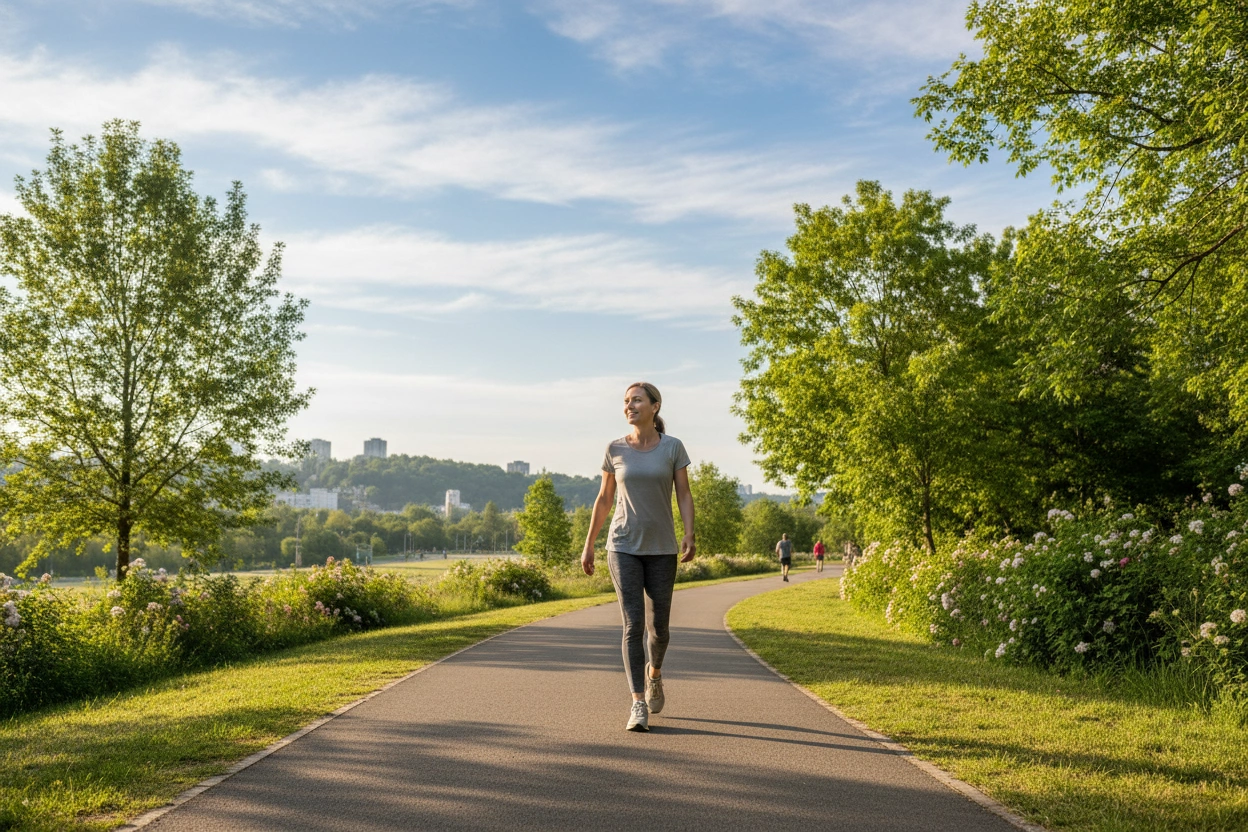
Walking is a low-impact activity that offers numerous health benefits. Engaging in regular walking can lead to significant improvements in physical and mental health. Below are some key benefits that make walking an essential part of a healthy lifestyle.
Physical Health Benefits
- Weight Management: Walking is an effective way to burn calories, making it a beneficial activity for weight loss. Studies show that brisk walking can help burn around 300 calories per hour, depending on body weight and walking speed.
- Cardiovascular Health: Regular walking strengthens the heart, improving circulation and reducing the risk of heart disease. It can lower blood pressure and improve cholesterol levels, contributing to overall heart health.
- Bone and Joint Health: Walking helps maintain bone density and strengthens muscles, which can prevent osteoporosis and reduce the risk of falls among older adults.
Mental Health Benefits
- Stress Reduction: Walking outdoors can significantly reduce stress and anxiety levels. Exposure to nature and fresh air boosts mood and promotes relaxation.
- Cognitive Function: Engaging in regular walking has been linked to improved cognitive function, enhancing memory and concentration.
- Social Connections: Walking can be a social activity, allowing you to connect with friends or family, which can further enhance mental well-being.
Walking for Weight Loss
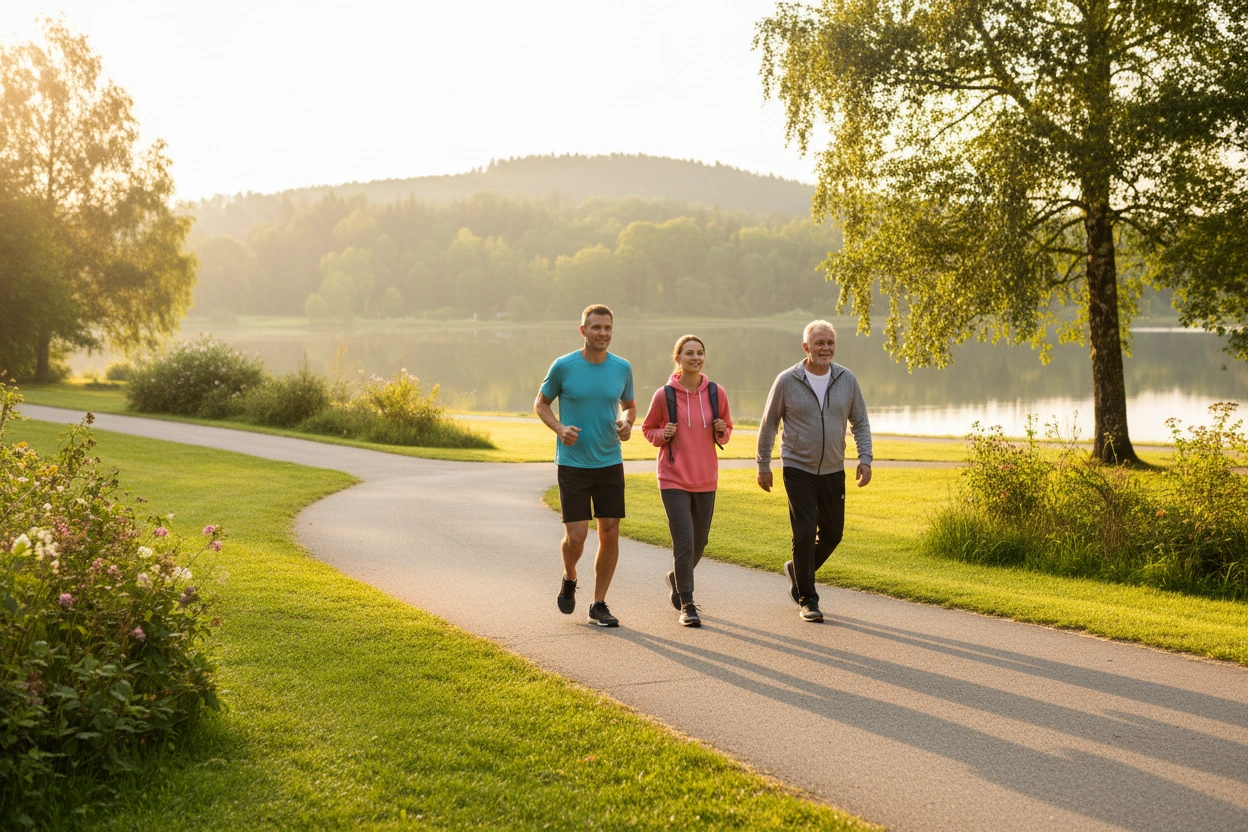
When it comes to weight loss, walking can be a highly effective strategy. However, there are specific approaches and techniques to maximize its effectiveness.
Setting Realistic Goals
- Start Small: If you are new to walking, begin with short distances and gradually increase your pace and duration. Aim for at least 30 minutes of walking most days of the week.
- Track Your Progress: Use a pedometer or fitness app to monitor your steps and set achievable targets. This can help keep you motivated.
Incorporating Interval Training
- Walk Faster in Intervals: Incorporating intervals of brisk walking can increase calorie burn. For example, alternate between one minute of fast walking and two minutes of moderate pace.
- Add Inclines: If possible, find hilly routes or use a treadmill with an incline feature. Walking uphill increases the intensity and helps build strength.
Mindful Walking
- Focus on Your Form: Pay attention to your posture while walking. Keep your head up, shoulders back, and arms swinging naturally. This not only improves efficiency but also helps prevent injuries.
- Stay Present: Engage in mindful walking by concentrating on your breath and the environment around you. This practice can enhance the mental benefits of walking and make the activity more enjoyable.
How Walking Improves Digestion and Combats Side Effects

Walking is not just beneficial for physical fitness; it also plays a crucial role in improving digestion. Understanding this connection can motivate you to incorporate walking into your daily routine.
Enhanced Digestive Health
Walking aids digestion by promoting the movement of food through the digestive tract. This can help alleviate common digestive issues such as bloating and constipation.
- Stimulates Intestinal Activity: Gentle movement encourages peristalsis, the wave-like muscle contractions that move food through the intestines.
- Reduces Bloating: A post-meal walk can help reduce the feeling of fullness and discomfort by accelerating the digestive process.
Combating Side Effects of Sedentary Lifestyles
In today's society, many people lead sedentary lifestyles, which can lead to various health issues. Walking serves as an antidote to these side effects.
- Mitigating Back Pain: Regular walking can strengthen back muscles and improve posture, reducing the risk of chronic back pain associated with prolonged sitting.
- Improving Energy Levels: Walking boosts circulation and increases oxygen flow to the brain, enhancing energy levels and combating fatigue.
Essential Tips for Beginners and Urban Walkers
For beginners and those navigating urban environments, certain strategies can make walking more enjoyable and effective.
Choosing the Right Gear
- Comfortable Footwear: Invest in a good pair of walking shoes that provide support and cushioning. This is crucial to prevent injuries and ensure comfort during longer walks.
- Weather-Appropriate Clothing: Dress in layers if walking in varying weather conditions. Breathable fabrics can help regulate body temperature.
Selecting Your Walking Route
- Explore Local Parks: Look for parks or trails that offer a scenic walking experience. Natural environments can enhance the mood and make walking more enjoyable.
- Plan Safe Routes: In urban areas, choose well-lit and populated paths to ensure safety. Consider routes that offer sidewalks or designated walking paths.
Building a Walking Routine
- Schedule Walks: Treat walking like any other appointment by scheduling it into your daily routine. Consistency is key to forming a lasting habit.
- Incorporate Walking into Daily Activities: Look for opportunities to walk more, such as taking the stairs instead of the elevator or walking to nearby locations instead of driving.
Staying Motivated
- Join a Walking Group: Consider joining a local walking group or community. This can provide social interaction and keep you accountable.
- Set Challenges: Participate in walking challenges or events, such as charity walks, to maintain motivation and track progress.
Common Misconceptions About Walking
Despite the numerous benefits of walking, there are still some misconceptions that can deter individuals from fully embracing this activity.
Walking Isn't Enough for Weight Loss
One common belief is that walking alone is insufficient for weight loss. While it is true that walking may not burn as many calories as high-intensity workouts, it can still contribute significantly to calorie expenditure, especially when combined with a healthy diet.
Walking Is Only for the Elderly
Another misconception is that walking is primarily for older adults. In reality, walking is beneficial for all ages. It is a versatile form of exercise that can be adapted to fit any fitness level.
You Need to Walk for Long Distances
Some people think that only long walks are effective. In fact, shorter, more frequent walks can be just as beneficial. Breaking up walking sessions throughout the day can enhance overall activity levels.
The Path Forward: Walking as a Lifestyle
Walking should be viewed not just as an exercise but as a lifestyle choice that promotes overall health and well-being. By incorporating the tips and strategies outlined in this article, beginners and urban walkers can enhance their walking experience and enjoy the myriad benefits it offers.
Embracing the Journey
Incorporating walking into your life can lead to improved health, better mood, and increased energy levels. It is essential to approach walking with an open mind and a willingness to explore new routes, methods, and communities.
FlowWell — Finally Feel Good on Your GLP
Walking is a powerful tool for achieving a healthier lifestyle, and with the right mindset and strategies, anyone can reap its benefits. As you embark on this journey, remember that FlowWell — Finally Feel Good on Your GLP is here to support you. Whether you need tips on maintaining your routine or resources to enhance your walking experience, we are committed to helping you thrive.
Take the first step towards a healthier you by exploring walking today. Contact FlowWell — Finally Feel Good on Your GLP for more information on how to integrate walking and other healthy habits into your daily routine.