Top Plant-Based Protein Options for Nutrient-Rich Diets
Discover the best plant-based protein sources to enhance your nutrient-rich diet and support your health goals.
Top Plant-Based Protein Options for Nutrient-Rich Diets
Protein is a fundamental macronutrient essential for numerous bodily functions, including muscle repair, enzyme production, and hormone regulation. In recent years, the interest in plant-based diets has surged, prompting many individuals to seek out high protein foods that are not derived from animal sources. This article aims to explore various plant-based protein options that can enrich your diet, along with practical strategies for incorporating more protein into your daily meals.
As we delve into the world of plant-based proteins, it’s important to understand the nutritional value they bring and how they can fit into a balanced diet.
Understanding Protein and Its Importance
What is Protein?
Protein is made up of amino acids, which are the building blocks of life. There are 20 different amino acids that the body uses to create proteins, and nine of these are considered essential, meaning they must be obtained through diet. Protein plays a crucial role in building and repairing tissues, supporting immune function, and producing enzymes and hormones.
The Role of Protein in a Plant-Based Diet
Many assume that a plant-based diet lacks sufficient protein. However, with the right choices, it is entirely possible to meet and even exceed protein requirements through plant sources. Plant-based proteins often come with additional nutrients such as fiber, vitamins, and minerals, making them a superior choice for many.
Top Plant-Based Protein Sources
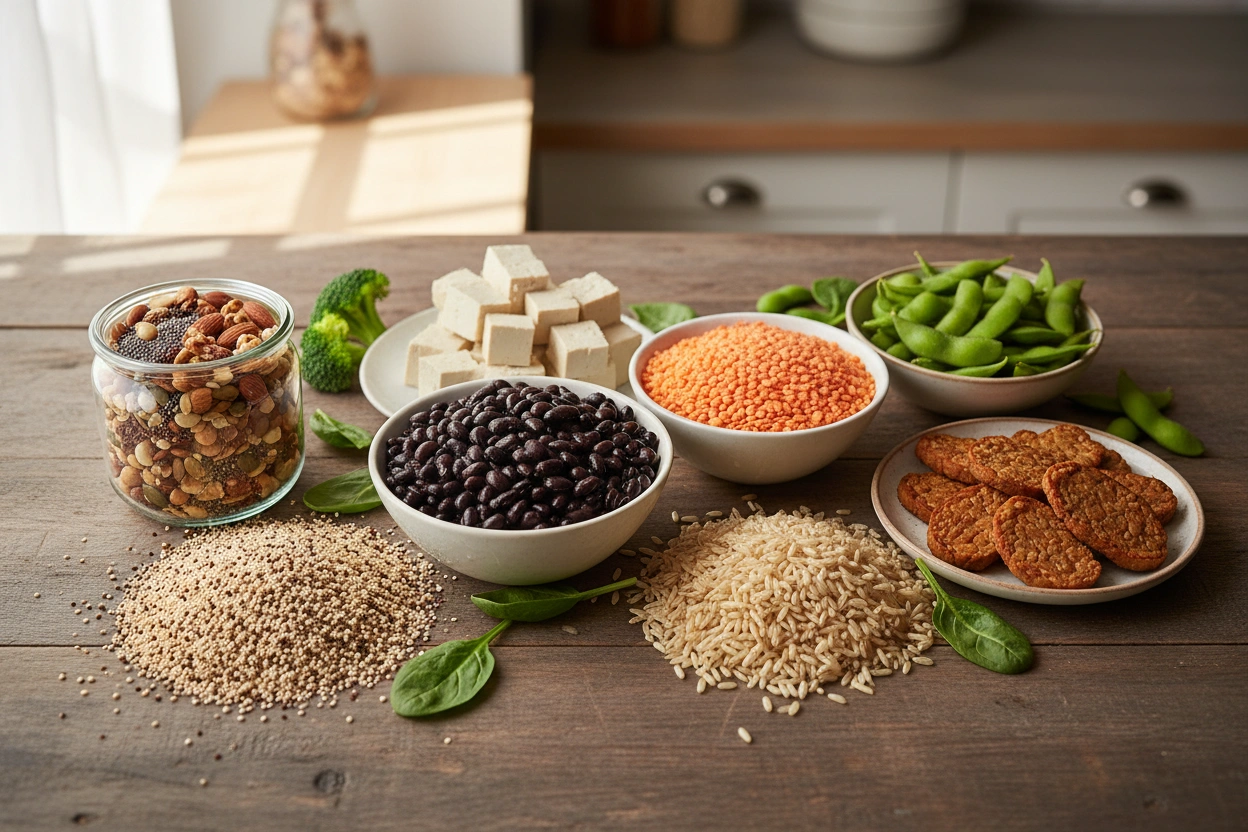
When it comes to incorporating high protein foods into a plant-based diet, several options stand out due to their nutrient density and versatility. Here are some of the top plant-based protein sources:
1. Legumes
Legumes are a powerhouse of protein and can be easily integrated into various dishes.
- Lentils: Approximately 18 grams of protein per cooked cup.
- Chickpeas: About 15 grams of protein per cooked cup.
- Black beans: Roughly 15 grams of protein per cooked cup.
Legumes are also high in fiber, which aids digestion and promotes satiety, making them an excellent choice for those looking to maintain a healthy weight.
2. Quinoa
Quinoa is a complete protein, meaning it contains all nine essential amino acids. It provides about 8 grams of protein per cooked cup, along with a wealth of nutrients including magnesium, iron, and fiber.
Quinoa is incredibly versatile; it can be used in salads, as a side dish, or even in breakfast bowls. Its nutty flavor pairs well with both savory and sweet ingredients.
3. Tofu and Tempeh
Tofu and tempeh are derived from soybeans and are excellent sources of protein.
- Tofu: Contains about 20 grams of protein per cup.
- Tempeh: Offers around 31 grams of protein per cup.
Both tofu and tempeh can be marinated, grilled, stir-fried, or added to soups, making them incredibly versatile in meal preparation.
4. Nuts and Seeds
Nuts and seeds are not only rich in protein but also healthy fats, which are beneficial for heart health.
- Chia seeds: Provide about 5 grams of protein per ounce.
- Hemp seeds: Contain around 10 grams of protein per ounce.
- Almonds: Offer approximately 6 grams of protein per ounce.
Incorporating a variety of nuts and seeds into your diet can enhance both the flavor and nutritional content of your meals.
5. Whole Grains
Whole grains are another significant source of plant-based protein. They provide essential nutrients and are often high in fiber.
- Brown rice: Contains about 5 grams of protein per cooked cup.
- Oats: Provide approximately 6 grams of protein per cooked cup.
Whole grains can be used in numerous dishes, from breakfast porridge to grain bowls, making them a staple in a nutrient-rich diet.
How to Incorporate More Protein into Your Daily Diet
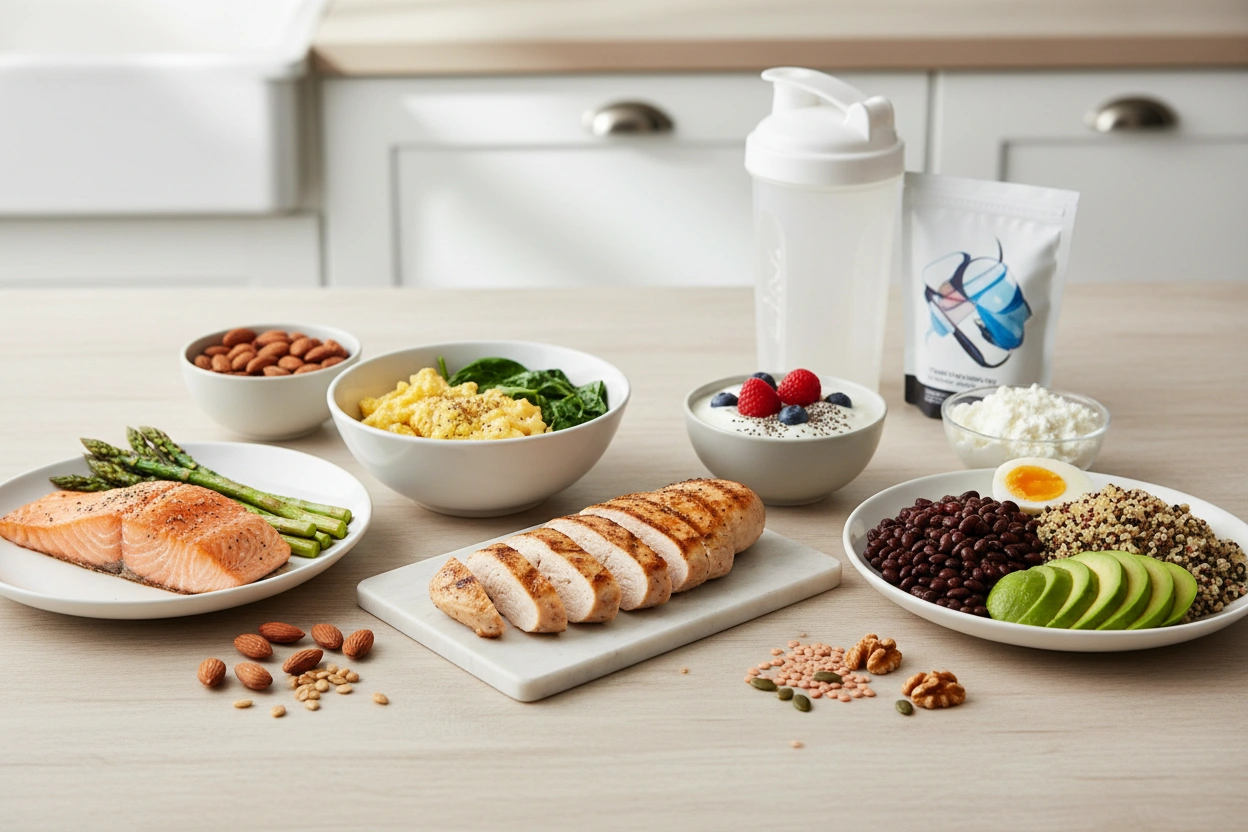
Incorporating more protein into your daily meals does not have to be a daunting task. Here are some practical strategies to increase your protein intake effectively:
1. Start with Breakfast
Breakfast is a great opportunity to load up on protein. Consider options like:
- Smoothies: Add a scoop of plant-based protein powder or nut butter.
- Overnight oats: Mix oats with chia seeds and almond milk, topped with nuts and fruits.
- Tofu scramble: Sauté tofu with vegetables and spices for a hearty start to your day.
2. Snack Wisely
Choosing high protein snacks can help you reach your daily protein goals. Some great snack ideas include:
- Hummus with veggies: Chickpeas provide protein, while vegetables add fiber.
- Trail mix: Combine nuts, seeds, and a bit of dried fruit for a nutritious snack.
- Edamame: A great source of protein, offering around 17 grams per cup.
3. Enhance Your Meals
Adding protein to your main meals can be as simple as:
- Adding legumes: Toss beans or lentils into salads, soups, or casseroles.
- Using whole grains: Substitute white rice with quinoa or farro for added protein.
- Topping with seeds: Sprinkle chia, hemp, or pumpkin seeds on salads or grain bowls.
Common Misconceptions About Plant-Based Protein
Despite the growing popularity of plant-based diets, several misconceptions still persist regarding protein intake.
Misconception 1: Plant Proteins are Incomplete
While many plant proteins are considered incomplete, combining different sources can create a complete amino acid profile. For instance, pairing rice and beans provides all essential amino acids.
Misconception 2: Plant-Based Diets Lack Sufficient Protein
Research has shown that individuals following a plant-based diet can easily meet their protein needs through a well-rounded intake of legumes, grains, nuts, and seeds.
Misconception 3: Protein Supplements are Necessary
While protein supplements can be beneficial for some, they are not essential for everyone. A well-planned diet featuring diverse plant-based protein sources can provide adequate protein without the need for supplementation.
The Nutritional Benefits of Plant-Based Protein
In addition to being a source of protein, plant-based foods offer a myriad of health benefits:
1. Rich in Nutrients
Plant-based proteins often come packed with vitamins, minerals, and antioxidants that support overall health.
2. High in Fiber
Fiber is crucial for digestive health and can help regulate blood sugar levels. Many high protein foods from plant sources are also high in fiber, promoting a feeling of fullness.
3. Heart Health
Plant-based diets have been linked to lower cholesterol levels and reduced risk of heart disease, making them a heart-healthy choice.
The Intersection of Plant-Based Protein and Wellness
As more individuals recognize the benefits of plant-based diets, the demand for high protein foods continues to rise. By selecting nutrient-rich plant proteins, you not only support your health but also contribute to sustainability efforts by reducing reliance on animal agriculture.
Incorporating plant-based proteins into your diet is an excellent way to enhance your nutritional intake and support overall well-being.
Embracing a Nutrient-Rich Plant-Based Diet with FlowWell
In summary, protein is a vital component of our diets, and plant-based options provide a wealth of choices for those looking to enrich their meals. By exploring the various sources of plant-based protein and incorporating them into daily meals, you can enjoy a nutrient-rich diet that supports your health goals.
FlowWell — Finally Feel Good on Your GLP is committed to helping you navigate your dietary needs and incorporate these valuable insights into your lifestyle. Whether you are a seasoned plant-based eater or just beginning to explore this dietary approach, our resources can support you on your journey to optimal health. meal planning.