Understanding GLP-1 Mechanisms: What Patients Should Know
Explore the mechanisms of GLP-1 medications and their impact on diabetes and obesity treatment. Essential info for patients seeking effective solutions.
Understanding GLP-1 Mechanisms: What Patients Should Know
The emergence of GLP-1 medications has revolutionized the treatment landscape for conditions like type 2 diabetes and obesity. As more patients seek effective solutions, understanding the mechanisms of these medications becomes vital. This article aims to provide comprehensive insights into GLP-1 medications, their workings, and essential considerations for patients.
What Are GLP-1 Medications?
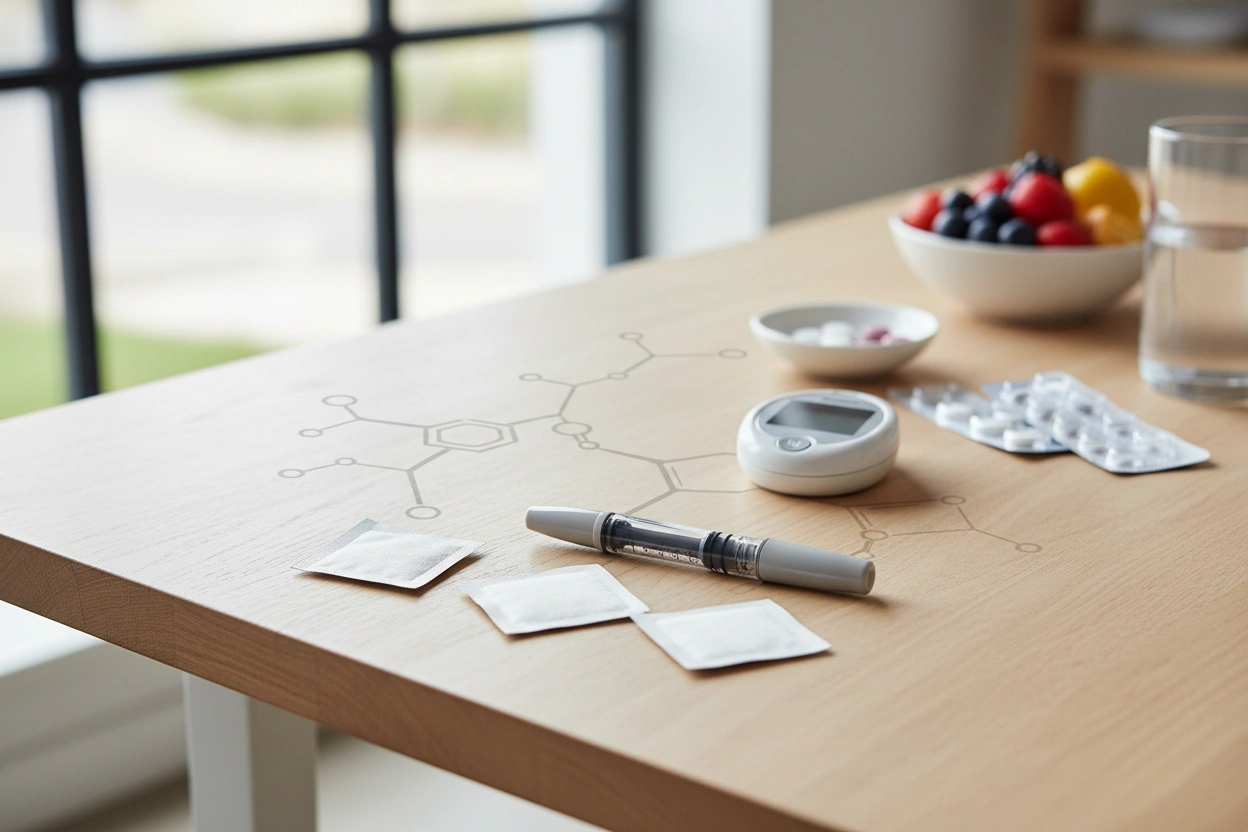
GLP-1, or glucagon-like peptide-1, is a hormone that plays a crucial role in glucose metabolism. GLP-1 medications mimic this hormone to enhance insulin secretion, reduce glucagon levels, and promote satiety. These medications are primarily used for managing type 2 diabetes and aiding weight management.
Mechanisms of Action
- Insulin Secretion: GLP-1 medications stimulate the pancreas to release insulin in response to food intake. This helps lower blood sugar levels effectively.
- Glucagon Suppression: By reducing the secretion of glucagon, GLP-1 medications prevent the liver from releasing excess glucose into the bloodstream.
- Slowed Gastric Emptying: These medications delay gastric emptying, which helps patients feel full longer and reduces overall food intake.
- Weight Management: By promoting feelings of fullness and reducing appetite, GLP-1 medications can aid in weight loss, making them valuable for patients struggling with obesity.
Common GLP-1 Medications
Several GLP-1 medications are currently available, each with unique properties and dosing schedules. Some of the most commonly prescribed include:
- Semaglutide (marketed as Ozempic and Wegovy)
- Liraglutide (marketed as Saxenda and Victoza)
- Dulaglutide (marketed as Trulicity)
- Exenatide (marketed as Byetta and Bydureon)
Understanding the specific properties and indications of these medications can help patients make informed decisions about their treatment options.
Ozempic Usage Guide
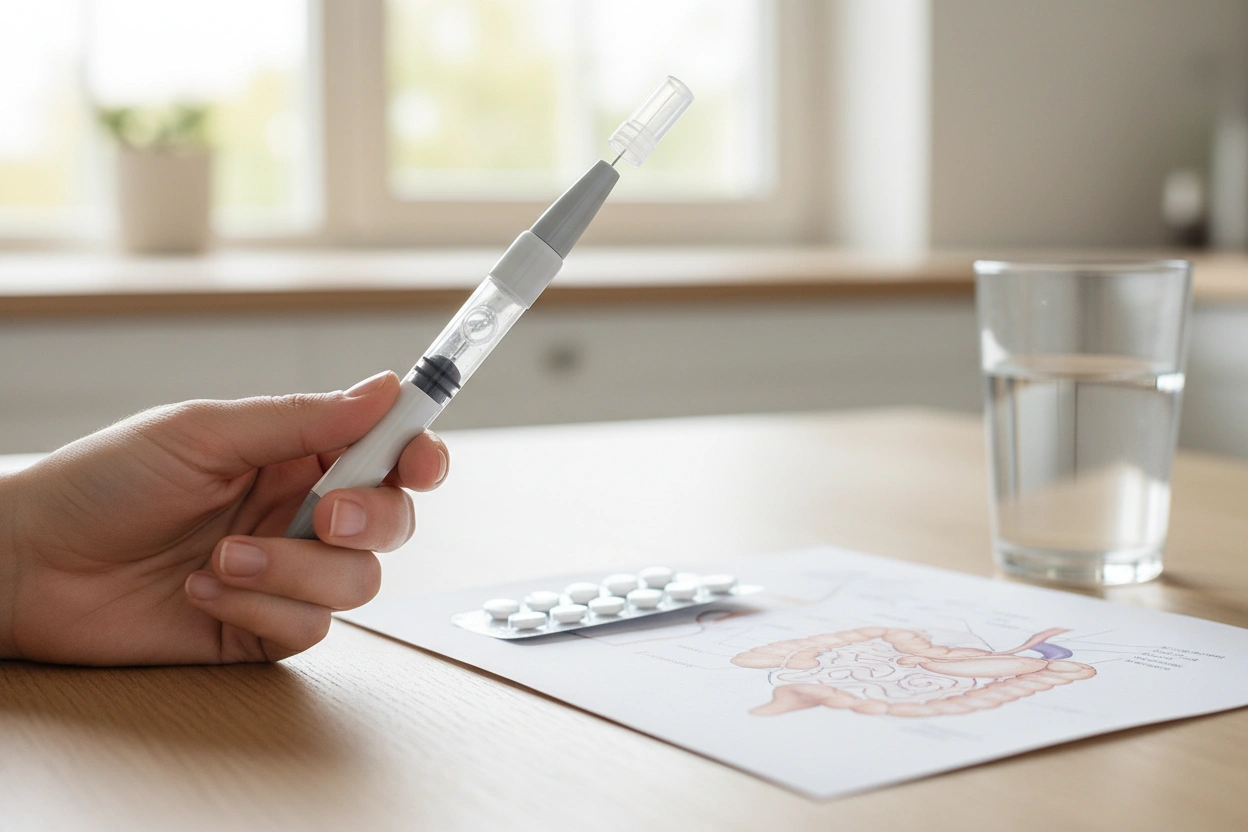
Ozempic is one of the leading GLP-1 medications, primarily used for managing type 2 diabetes. Its efficacy in promoting weight loss has also led to its popularity among patients looking to manage obesity.
How to Use Ozempic
- Dosage: Ozempic is typically administered once a week via subcutaneous injection. The initial dose is often 0.25 mg for the first four weeks, which may be increased to 0.5 mg or higher based on the patient’s needs and tolerance.
- Administration: Patients should be instructed on proper injection techniques to minimize discomfort and ensure accurate dosing. Ozempic can be injected in the abdomen, thigh, or upper arm.
- Monitoring: Regular monitoring of blood sugar levels is essential to ensure the medication is working effectively and to adjust dosages as needed.
Potential Side Effects
While Ozempic is generally well-tolerated, some patients may experience side effects. Common side effects include:
- Nausea
- Vomiting
- Diarrhea
- Constipation
- Abdominal pain
Patients should be aware of these potential side effects and communicate with their healthcare providers about any concerns.
Patient Testimonials

Understanding the experiences of others can provide valuable insights into the use of GLP-1 medications, particularly Ozempic. While individual experiences can vary, several common themes emerge from patient testimonials.
Positive Experiences
Many patients report significant improvements in their blood sugar control and weight management. Some notable points include:
- Increased Energy Levels: Patients often express feeling more energetic and less fatigued after starting GLP-1 medications.
- Weight Loss Success: Several testimonials highlight successful weight loss journeys, with many patients achieving their weight goals within a few months.
- Improved Quality of Life: Many patients note enhanced overall well-being and quality of life, attributing this to better management of their diabetes and weight.
Challenges Faced
Not all experiences are positive. Some patients share challenges they encountered, such as:
- Initial Side Effects: Many patients mention experiencing nausea or gastrointestinal discomfort in the early stages of treatment, which can be discouraging.
- Adjustment Period: Some individuals find it challenging to adjust to the weekly injection schedule and require time to get used to the medication.
Addressing these challenges through proper education and support can significantly enhance the patient experience.
Common Misconceptions About GLP-1 Medications
Despite their growing popularity, several misconceptions about GLP-1 medications persist. Addressing these misconceptions can help patients make informed decisions.
Misconception 1: GLP-1 Medications are Only for Diabetes
While GLP-1 medications are primarily used for managing type 2 diabetes, their efficacy in weight management has led to their approval for obesity treatment. Patients seeking weight management solutions may benefit significantly from these medications.
Misconception 2: GLP-1 Medications are a Quick Fix
Some patients may view GLP-1 medications as a quick solution for weight loss or diabetes management. However, these medications are most effective when combined with lifestyle changes, including diet and exercise.
Misconception 3: All Patients Will Experience Significant Weight Loss
While many patients do experience weight loss with GLP-1 medications, results can vary based on individual factors such as baseline weight, adherence to treatment, and lifestyle changes. It's important for patients to have realistic expectations.
Actionable Insights for Patients
As patients consider GLP-1 medications, there are several actionable insights to keep in mind.
Educate Yourself
- Research GLP-1 medications thoroughly, including their mechanisms, benefits, and potential side effects.
- Stay informed about ongoing clinical studies and emerging research related to GLP-1 therapy.
Communicate with Healthcare Providers
- Maintain open communication with healthcare providers regarding any concerns or side effects experienced while on GLP-1 medications.
- Discuss any changes in lifestyle or dietary habits that may impact treatment outcomes.
Establish a Support System
- Engage with support groups or online communities to share experiences and gain insights from others using GLP-1 medications.
- Consider involving family members in the treatment journey to foster encouragement and accountability.
The Role of Lifestyle Changes
While GLP-1 medications can significantly aid in managing diabetes and obesity, they are not standalone solutions. Integrating healthy lifestyle changes is crucial for maximizing the benefits of these medications.
Dietary Considerations
- Balanced Nutrition: Focus on a well-rounded diet rich in whole foods, including fruits, vegetables, lean proteins, and whole grains.
- Portion Control: Utilize the satiety effects of GLP-1 medications to practice portion control and mindful eating.
- Hydration: Stay hydrated to support overall health and well-being.
Physical Activity
- Incorporate regular physical activity into your routine, aiming for at least 150 minutes of moderate exercise per week.
- Consider activities that you enjoy to make exercise more sustainable and enjoyable.
The Future of GLP-1 Medications
As research continues to evolve, the future of GLP-1 medications looks promising. New formulations, dosing schedules, and combination therapies are being explored to enhance efficacy and patient adherence.
Emerging Research
Ongoing studies are investigating the long-term effects of GLP-1 medications on cardiovascular health and their potential role in preventing diabetes-related complications. Staying abreast of these developments can provide valuable insights into the evolving landscape of diabetes and obesity management.
FlowWell — Finally Feel Good on Your GLP
Understanding GLP-1 mechanisms is essential for patients seeking effective management of diabetes and obesity. With the right information and support, patients can navigate their treatment journeys confidently.
FlowWell — Finally Feel Good on Your GLP is dedicated to providing patients with the resources and knowledge they need to optimize their health outcomes with GLP-1 medications. For more information on how we can assist you on your journey to better health, visit FlowWell — Finally Feel Good on Your GLP.
By taking informed steps and embracing a holistic approach to treatment, patients can unlock the full potential of GLP-1 medications and enhance their quality of life.