Understanding GLP-1 vs GLP-2: Impacts on Weight Regulation and Metabolism
Explore the difference between GLP-1 and GLP-2 and their impacts on weight regulation and metabolism for effective health management.
Understanding GLP-1 vs GLP-2: Impacts on Weight Regulation and Metabolism
The rise of obesity and metabolic disorders has led to increased interest in the roles of hormones in weight regulation and metabolism. Among these hormones, GLP-1 (Glucagon-Like Peptide-1) and GLP-2 (Glucagon-Like Peptide-2) have emerged as significant players. Understanding the difference between GLP-1 and GLP-2 is crucial for both healthcare professionals and individuals seeking to manage their weight and metabolic health. This article delves into the distinct functions of these peptides, their impacts on weight loss and metabolism, and the potential benefits of GLP-1 receptor agonists.
The Fundamental Differences Between GLP-1 and GLP-2

GLP-1 and GLP-2 are both incretin hormones derived from the same precursor protein, but they serve different physiological functions.
1. Origin and Structure
GLP-1 and GLP-2 are produced in the intestines, specifically in the L-cells of the ileum and colon. While they share a common precursor, their amino acid sequences differ, leading to variations in their biological activity.
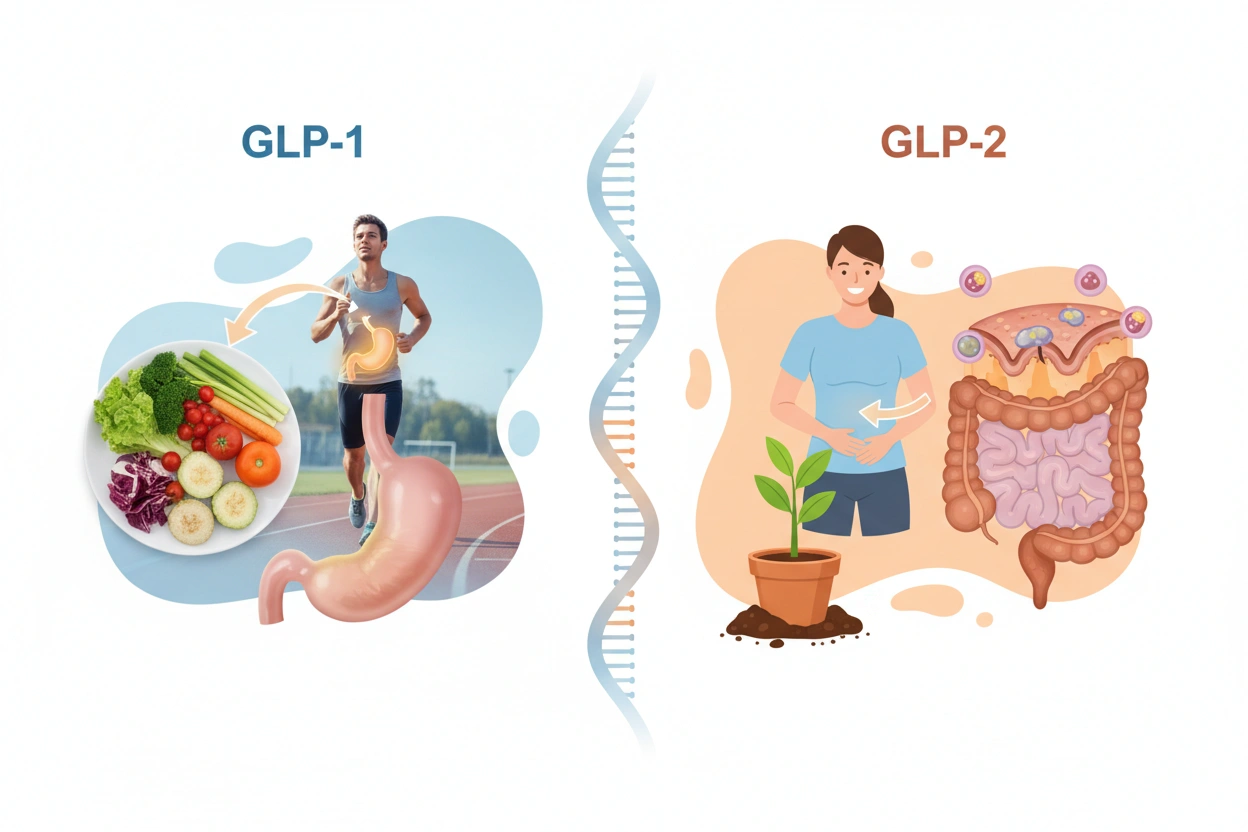
GLP-1: This peptide consists of 30 amino acids and is primarily known for its role in insulin secretion. It enhances glucose-dependent insulin release, inhibits glucagon secretion, and slows gastric emptying. These actions contribute to its effectiveness in promoting weight loss.
GLP-2: Comprising 33 amino acids, GLP-2's primary role is to maintain and enhance intestinal health. It promotes mucosal growth, increases nutrient absorption, and plays a role in gut motility.
Understanding these structural differences is essential for comprehending how each peptide impacts metabolism and weight regulation.
2. Biological Functions
The distinct biological functions of GLP-1 and GLP-2 further illustrate the difference between GLP-1 and GLP-2.
GLP-1 Functions:
- Stimulates insulin secretion in response to food intake.
- Reduces appetite by acting on the brain's satiety centers.
- Slows gastric emptying, which helps regulate postprandial blood glucose levels.
GLP-2 Functions:
- Enhances intestinal mucosal growth and repair.
- Increases nutrient absorption by promoting the growth of intestinal villi.
- Modulates gut motility, which can influence overall digestive health.
These functions highlight GLP-1's role in weight management and GLP-2's importance in maintaining a healthy digestive system.
How GLP-1 and GLP-2 Affect Weight Loss and Metabolism
The impact of GLP-1 and GLP-2 on weight loss and metabolism is profound, especially in the context of obesity and related metabolic disorders.
1. Role of GLP-1 in Weight Loss
GLP-1 has gained prominence in weight management strategies, especially with the advent of GLP-1 receptor agonists. These medications mimic the action of natural GLP-1, providing various benefits:
Appetite Suppression: GLP-1 receptor agonists can significantly reduce appetite, leading to decreased caloric intake. Studies have shown that individuals using these medications experience substantial weight loss compared to those not using them.
Improved Glycemic Control: By enhancing insulin secretion and reducing glucagon levels, GLP-1 helps stabilize blood sugar levels. This is particularly beneficial for individuals with type 2 diabetes, who often struggle with weight management.
Reduced Gastric Emptying: The slowing of gastric emptying not only prolongs feelings of fullness but also aids in better post-meal glucose control.
These mechanisms demonstrate how GLP-1 plays a critical role in addressing obesity and metabolic health.
2. The Impact of GLP-2 on Metabolism
While GLP-2 is not directly involved in weight loss, its influence on gut health and nutrient absorption is vital for overall metabolic function.
Intestinal Health: GLP-2 promotes the growth and maintenance of the intestinal lining, which is essential for effective nutrient absorption. A healthy gut can enhance metabolic efficiency and support weight management indirectly.
Nutrient Utilization: By improving nutrient absorption, GLP-2 can help the body make better use of the calories consumed, which can be advantageous in managing weight.
Understanding how GLP-2 contributes to metabolic health highlights its supportive role alongside GLP-1 in weight management strategies.
GLP-1 Receptor Agonists: A New Frontier in Weight Management

The development of GLP-1 receptor agonists has transformed the landscape of obesity treatment. These medications offer a viable option for individuals struggling to lose weight through traditional means.
1. Mechanisms of Action
GLP-1 receptor agonists, such as liraglutide and semaglutide, work by mimicking the effects of natural GLP-1. Their mechanisms include:
Enhanced Insulin Secretion: They stimulate the pancreas to release more insulin, particularly in response to elevated blood glucose levels.
Appetite Regulation: By acting on the central nervous system, they promote satiety and reduce hunger, leading to lower food intake.
Slowed Gastric Emptying: This action prolongs the feeling of fullness after meals, which can help with weight loss.
2. Clinical Evidence and Efficacy
Numerous clinical trials have demonstrated the effectiveness of GLP-1 receptor agonists for weight loss:
In a pivotal study, participants using semaglutide lost an average of 15% of their body weight over a 68-week period compared to those receiving a placebo.
Another study showed that liraglutide not only led to significant weight loss but also improved metabolic markers such as HbA1c and lipid profiles.
The clinical evidence supports the use of GLP-1 receptor agonists as a powerful tool in the fight against obesity and metabolic disorders.
Common Misconceptions About GLP-1 and GLP-2
While the roles of GLP-1 and GLP-2 are becoming more widely recognized, several misconceptions persist. Addressing these can help individuals make informed decisions about their health.
1. GLP-1 and GLP-2 Are Interchangeable
One of the most common misconceptions is that GLP-1 and GLP-2 can be used interchangeably. While they share similarities, their functions and effects on the body are distinct.
- GLP-1 is primarily focused on regulating blood sugar and appetite, whereas GLP-2 is essential for gut health and nutrient absorption.
2. GLP-1 Receptor Agonists Are a "Quick Fix"
Another misconception is that GLP-1 receptor agonists provide an instant solution for weight loss. While these medications can be effective, they are most beneficial when combined with lifestyle changes such as diet and exercise.
- Sustainable weight loss requires a comprehensive approach that includes healthy eating and regular physical activity alongside medication.
By clarifying these misconceptions, individuals can approach their weight management strategies with a more informed perspective.
Practical Tips for Harnessing the Benefits of GLP-1 and GLP-2
To maximize the benefits of GLP-1 and GLP-2 in weight management and metabolic health, consider the following strategies:
1. Incorporate GLP-1 Enhancing Foods
Certain foods can naturally enhance GLP-1 production, helping to regulate appetite and blood sugar levels. Consider including:
- High-fiber foods such as fruits, vegetables, and whole grains.
- Protein-rich foods, which can stimulate GLP-1 secretion.
- Healthy fats, like those found in avocados and nuts, which can also promote satiety.
2. Focus on Gut Health
Since GLP-2 plays a crucial role in gut health, incorporating probiotics and prebiotics into your diet can support its function.
- Foods like yogurt, kefir, and fermented vegetables can promote a healthy gut microbiome, enhancing nutrient absorption and overall metabolic health.
3. Regular Physical Activity
Exercise not only aids in weight loss but can also improve GLP-1 sensitivity. Aim for a combination of aerobic and strength-training exercises to optimize metabolic health.
- Engage in at least 150 minutes of moderate-intensity aerobic activity weekly, along with strength training on two or more days.
Implementing these practical tips can help leverage the benefits of GLP-1 and GLP-2 for better weight management and metabolic health.
The Intersection of GLP-1 and GLP-2 in Weight Management
Understanding the difference between GLP-1 and GLP-2 is essential for anyone interested in weight regulation and metabolic health. While GLP-1 is pivotal in appetite control and glucose management, GLP-2 supports gut health and nutrient absorption. Together, they create a synergistic effect that can enhance overall well-being.
For those looking to explore these benefits further, FlowWell — Finally Feel Good on Your GLP offers resources and support to help individuals understand and apply these insights to their health journey.
By incorporating the knowledge gained about the difference between GLP-1 and GLP-2 into your lifestyle, you can take meaningful steps toward better weight management and metabolic health.
To learn more about how you can optimize your health with GLP, visit FlowWell — Finally Feel Good on Your GLP for tailored guidance and support.