Understanding Mounjaro Side Effects: How to Stop GLP1 Constipation
Learn how to stop GLP1 constipation caused by Mounjaro and other medications. Discover effective strategies to manage this common side effect.
Understanding Mounjaro Side Effects: How to Stop GLP1 Constipation
In recent years, GLP-1 receptor agonists like Mounjaro, Ozempic, and Wegovy have gained popularity as effective treatments for weight management and type 2 diabetes. While these medications offer significant benefits, they can also lead to various side effects, notably gastrointestinal issues such as constipation. Understanding how to stop GLP1 constipation is crucial for those undergoing treatment. This article will delve into the digestive side effects associated with GLP-1 medications and provide actionable insights to help manage constipation effectively.
The Mechanism of GLP-1 Medications
What Are GLP-1 Receptor Agonists?
GLP-1 (glucagon-like peptide-1) receptor agonists are a class of medications designed to mimic the action of the naturally occurring hormone GLP-1. This hormone plays a crucial role in glucose metabolism and appetite regulation. By stimulating insulin secretion and inhibiting glucagon release, GLP-1 medications help lower blood sugar levels and promote weight loss.
How Do They Affect Digestion?
The impact of GLP-1 medications on the gastrointestinal tract can be profound. These drugs slow gastric emptying, which means food remains in the stomach longer, leading to feelings of fullness. While this can aid in weight management, it can also contribute to digestive issues, including constipation. The slower movement through the digestive system can lead to harder stools and infrequent bowel movements, creating discomfort for many patients.
Understanding the Digestive Side Effects of Ozempic, Wegovy, and Mounjaro
Common Side Effects of GLP-1 Medications
Patients using GLP-1 medications often report a range of gastrointestinal side effects. Some of the most common include:
- Nausea
- Vomiting
- Diarrhea
- Constipation
- Abdominal pain
While nausea and diarrhea may be more widely recognized, constipation is a significant concern that can impact a patient's quality of life.
Why Does Constipation Occur?
The primary reason for constipation in patients taking GLP-1 medications is the delayed gastric emptying mentioned earlier. When food moves slowly through the digestive tract, it can lead to increased water absorption in the intestines, resulting in harder stools. Additionally, dietary changes that accompany weight loss efforts—such as increased fiber intake without adequate hydration—can exacerbate the problem.
How to Stop GLP1 Constipation: Effective Strategies
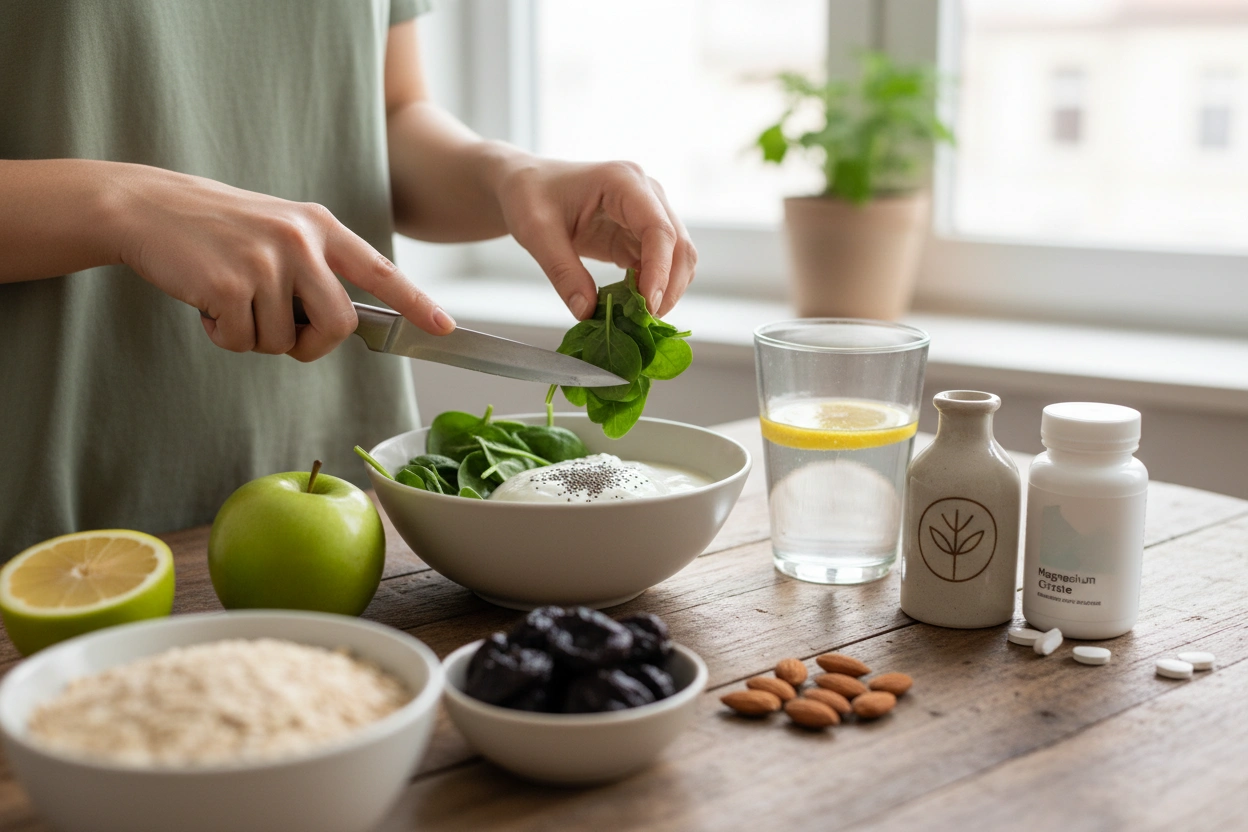
Managing constipation while on GLP-1 medications requires a multifaceted approach. Here are some strategies to consider:
1. Increase Fiber Intake
A high-fiber diet is essential for promoting regular bowel movements. Fiber adds bulk to the stool and helps it retain water, making it easier to pass. Here are some effective ways to increase fiber intake:
- Include more fruits and vegetables in your meals, such as apples, pears, carrots, and broccoli.
- Choose whole grains over refined grains, such as brown rice, whole wheat bread, and oats.
- Incorporate legumes like beans, lentils, and chickpeas into your diet.
2. Stay Hydrated
Adequate hydration is critical when increasing fiber intake. Water helps soften stools and prevents constipation. Aim to drink at least eight glasses of water a day, adjusting based on your activity level and dietary fiber intake.
3. Regular Physical Activity
Engaging in regular physical activity can stimulate intestinal function and promote regular bowel movements. Consider the following:
- Aim for at least 150 minutes of moderate aerobic activity each week.
- Incorporate strength training exercises at least two days a week.
- Simple activities like walking can significantly improve digestive health.
4. Monitor Medication Timing
The timing of medication intake can also affect digestive health. Some patients find that taking GLP-1 medications at a specific time of day helps mitigate gastrointestinal side effects. Speak with your healthcare provider about the best timing for your medication.
5. Discuss with Your Healthcare Provider
If constipation persists despite lifestyle changes, consult your healthcare provider. They may recommend:
- Over-the-counter fiber supplements
- Laxatives, if appropriate
- Adjustments to your current GLP-1 medication dosage or regimen
Common Misconceptions About GLP-1 Medications
Misconception 1: All Side Effects Are Severe
Many patients worry that side effects from GLP-1 medications will be severe or intolerable. While gastrointestinal issues can be uncomfortable, they are often manageable with dietary changes and proper hydration. Most side effects tend to diminish over time as the body adjusts to the medication.
Misconception 2: Once Constipation Starts, It Cannot Be Managed
Another common misconception is that once constipation occurs, it is a permanent issue. In reality, with proactive management strategies and lifestyle adjustments, many patients can successfully alleviate constipation and improve their overall digestive health.
Misconception 3: All Fiber Sources Are Equal
Not all fiber sources are created equal. Soluble fiber, found in foods like oats and beans, is particularly effective at softening stools, while insoluble fiber, found in whole grains and vegetables, adds bulk. A balanced intake of both types is essential for optimal digestive health.
The Role of Diet in Managing GLP-1 Medication Side Effects
Foods to Include
In addition to increasing fiber intake, certain foods can support digestive health and alleviate constipation:
- Fermented foods such as yogurt, kefir, and sauerkraut can promote gut health by introducing beneficial bacteria.
- Foods rich in magnesium, like nuts, seeds, and dark chocolate, can help relax the muscles in the intestines.
- Healthy fats, such as those found in avocados and olive oil, can aid in smooth digestion.
Foods to Avoid
Certain foods may exacerbate constipation and should be consumed in moderation:
- Processed foods that are low in fiber, such as white bread and sugary snacks.
- High-fat foods, especially those rich in saturated fats, can slow digestion.
- Dairy products in excess can lead to digestive discomfort for some individuals.
The Importance of Routine and Mindfulness
Establishing a Routine
Creating a consistent routine can help regulate bowel movements. Here are some tips to develop a healthy routine:
- Set a specific time each day for bowel movements, ideally after meals when the digestive system is most active.
- Avoid rushing the process; take your time to relax and allow your body to respond naturally.
Mindfulness Practices
Incorporating mindfulness practices can also enhance digestive health. Techniques such as yoga or meditation can reduce stress, which is known to impact digestion negatively.
The Intersection of Lifestyle and Medication
Integrating Changes with GLP-1 Medications
Managing constipation effectively often requires integrating lifestyle changes with medication use. This holistic approach not only helps alleviate gastrointestinal side effects but also enhances the overall effectiveness of GLP-1 medications.
The Role of Healthcare Providers
Engaging with healthcare providers is essential for developing a personalized plan that addresses both the benefits and side effects of GLP-1 medications. Ongoing communication can lead to adjustments that optimize treatment outcomes and improve quality of life.
Embracing a Healthier Future with FlowWell
Practical Takeaways for Managing GLP-1 Constipation
Understanding how to stop GLP1 constipation is crucial for those on GLP-1 medications like Mounjaro. By adopting a fiber-rich diet, staying hydrated, maintaining regular physical activity, and engaging with healthcare providers, patients can effectively manage this side effect.
FlowWell — Finally Feel Good on Your GLP is dedicated to supporting individuals in their health journeys. By focusing on holistic strategies and personalized care, patients can navigate the complexities of GLP-1 medications while achieving their health goals.
Take Action Today
For more guidance on managing GLP-1 medication side effects and to explore personalized solutions, visit FlowWell — Finally Feel Good on Your GLP. Empower yourself with the knowledge and tools to enhance your well-being and overcome challenges associated with GLP-1 medications.