Understanding the Difference Between GLP-1 and GLP-2 in Constipation Relief
Explore the difference between GLP-1 and GLP-2 in constipation relief and discover how these peptides can improve digestive health.
Understanding the Difference Between GLP-1 and GLP-2 in Constipation Relief
Constipation is a common gastrointestinal issue that affects millions of people worldwide. While there are numerous treatment options available, the role of glucagon-like peptides (GLP-1 and GLP-2) in digestive health is gaining attention. Understanding the difference between GLP-1 and GLP-2 is crucial for those seeking effective relief from constipation. This article will delve into the distinct characteristics, functions, and potential benefits of both peptides, particularly in the context of constipation relief.
The Basics of GLP-1 and GLP-2
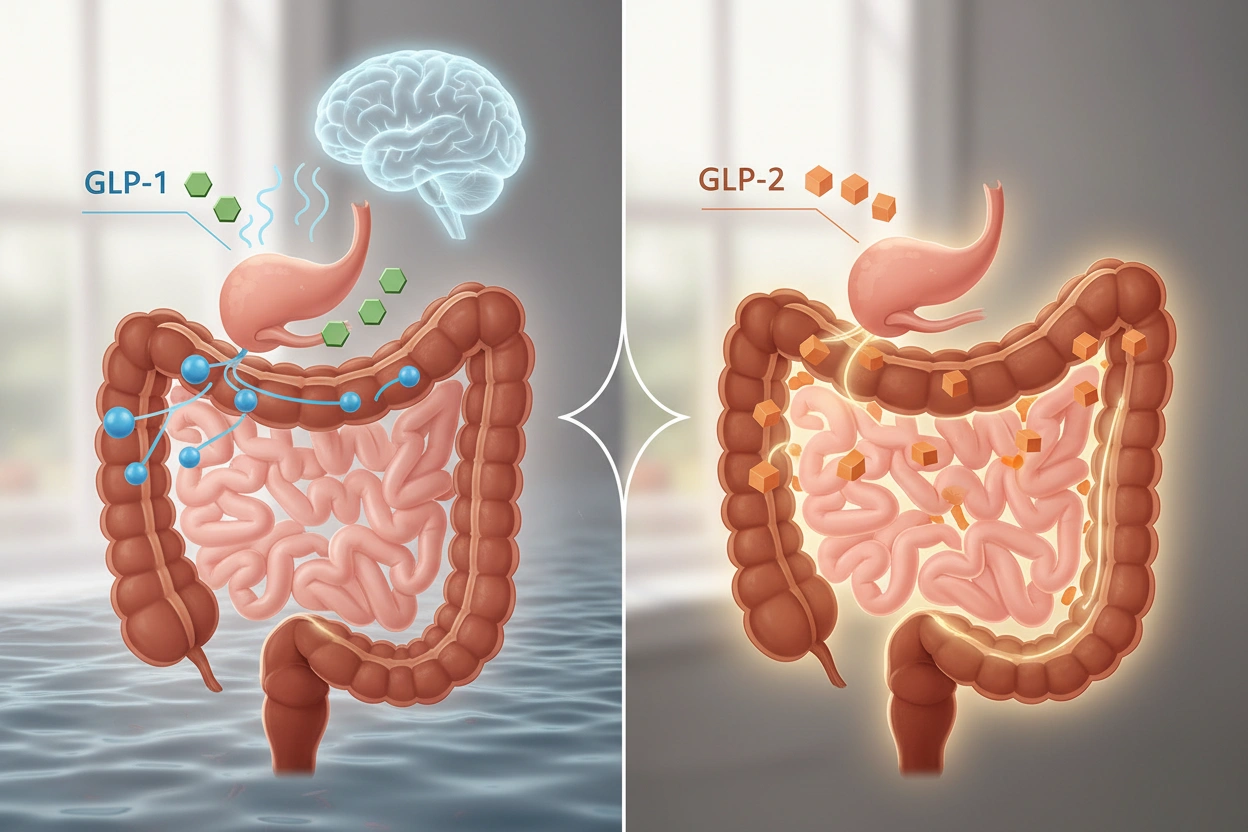
What are GLP-1 and GLP-2?
GLP-1 and GLP-2 are hormones produced in the intestines, part of the incretin family, which play significant roles in regulating various physiological processes.
GLP-1 (glucagon-like peptide-1) is primarily known for its effects on glucose metabolism. It enhances insulin secretion, inhibits glucagon release, and slows gastric emptying, which can lead to weight loss and improved glycemic control.
GLP-2 (glucagon-like peptide-2), on the other hand, is more focused on gut health. It promotes intestinal growth, enhances nutrient absorption, and helps maintain the integrity of the intestinal barrier.
The Role of GLP-1 and GLP-2 in the Digestive System
Both GLP-1 and GLP-2 are secreted in response to food intake, but their roles diverge significantly.
GLP-1 has a more systemic impact, influencing metabolic processes beyond the gastrointestinal tract. It helps regulate appetite and food intake, which can indirectly affect bowel movements.
GLP-2 is more localized, acting primarily within the gut to improve digestion and absorption. This peptide supports the health of intestinal cells, promoting a healthy gut environment and potentially alleviating issues like constipation.
The Difference Between GLP-1 and GLP-2 in Constipation Relief
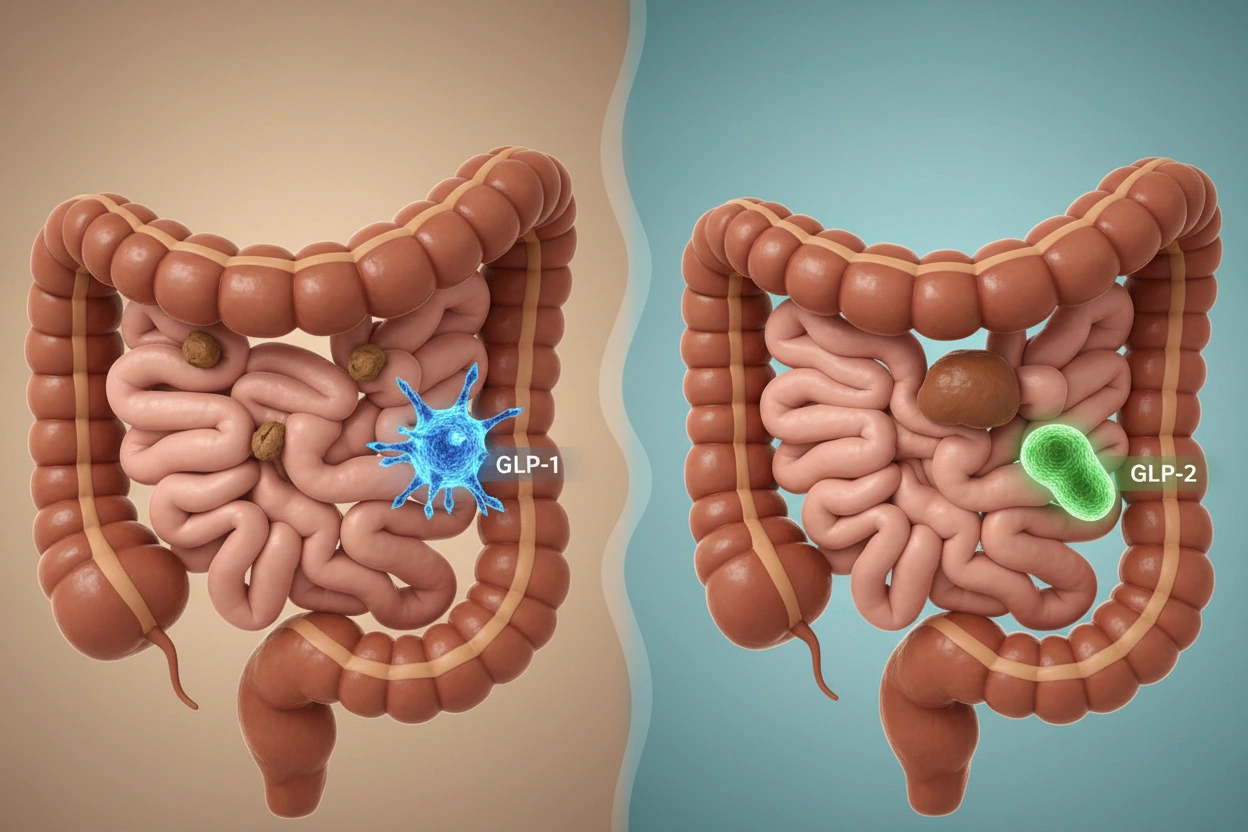
Mechanisms of Action
Understanding the mechanisms of action is essential to grasp the differences between GLP-1 and GLP-2 in the context of constipation relief.
GLP-1 and Constipation
While GLP-1 is not primarily associated with bowel motility, its role in delaying gastric emptying can lead to constipation in some individuals. The following points summarize its effects:
- Slows gastric emptying, which can prolong the time food takes to pass through the intestines.
- Inhibits gastric acid secretion, which may impact digestive efficiency and comfort.
GLP-2 and Constipation Relief
GLP-2 plays a more direct role in enhancing digestive health, particularly in alleviating constipation relief. Its mechanisms include:
- Promoting intestinal growth, which can lead to improved bowel function and regularity.
- Enhancing nutrient absorption, ensuring that the gut is functioning optimally.
- Supporting the integrity of the intestinal barrier, reducing inflammation and promoting a healthier gut microbiome.
Clinical Implications
The clinical implications of understanding the difference between GLP-1 and GLP-2 are significant, especially for patients suffering from constipation.
GLP-1 Agonists: While these medications can be effective for weight management and diabetes control, they may inadvertently contribute to constipation due to their mechanism of delaying gastric emptying. Patients should be monitored for gastrointestinal side effects when using GLP-1 agonists.
GLP-2 Therapy: Emerging research suggests that GLP-2 may offer therapeutic benefits for individuals with functional gastrointestinal disorders. Its ability to promote gut health could make it a valuable option for those suffering from constipation.
Exploring the Benefits of GLP-2 in Digestive Health
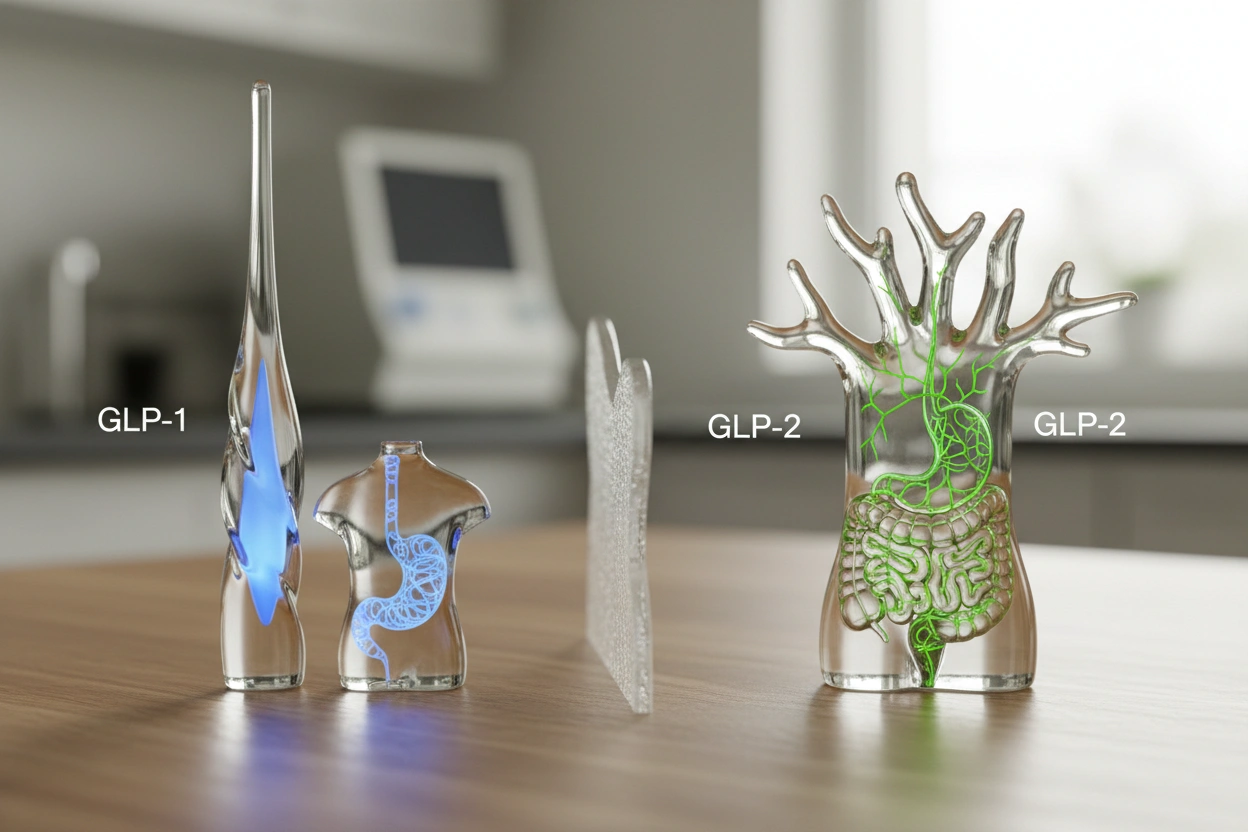
Enhancing Gut Motility
One of the critical benefits of GLP-2 in digestive health is its potential to enhance gut motility.
- GLP-2 has been shown to stimulate the secretion of mucus and other protective factors in the intestines, which can facilitate smoother passage of stool.
- By promoting healthy intestinal cell function, GLP-2 may help reduce the incidence of constipation and other motility disorders.
Supporting Intestinal Barrier Function
A healthy intestinal barrier is vital for overall digestive health. GLP-2 plays a crucial role in maintaining this barrier.
- It enhances the proliferation and survival of enterocytes, the cells that line the intestinal tract, which is essential for nutrient absorption and gut health.
- A robust intestinal barrier can prevent the translocation of harmful bacteria and toxins, which is critical for reducing inflammation that may exacerbate constipation.
Potential in Treating Gastrointestinal Disorders
Research into GLP-2's therapeutic potential is ongoing, and its role in treating gastrointestinal disorders is promising.
- Studies have indicated that GLP-2 may help improve symptoms in patients with conditions like short bowel syndrome and inflammatory bowel disease, both of which can lead to constipation.
- Its ability to promote gut healing and function suggests that GLP-2 could be a key player in developing new treatments for chronic constipation.
Common Misconceptions about GLP-1 and GLP-2
Misconception 1: GLP-1 and GLP-2 are Interchangeable
One common misconception is that GLP-1 and GLP-2 can be used interchangeably in treatment.
- While they share some similarities as incretin hormones, their functions and impacts on digestive health are markedly different. GLP-1 is more focused on glucose metabolism, while GLP-2 targets gut health directly.
Misconception 2: GLP-1 is Always Beneficial for Digestive Health
Another misconception is that GLP-1 is beneficial for all aspects of digestive health.
- While GLP-1 can aid in weight loss and glycemic control, its side effects, particularly in terms of gastrointestinal motility, can lead to constipation. Understanding this can help patients make informed choices about their treatment options.
Actionable Insights for Managing Constipation with GLP-1 and GLP-2
Dietary Considerations
Managing constipation effectively often involves dietary changes in conjunction with any hormonal therapies. Consider the following:
- Increase fiber intake through fruits, vegetables, and whole grains to promote bowel regularity.
- Stay hydrated by drinking plenty of water throughout the day to help soften stool.
- Limit processed foods that can exacerbate constipation.
Monitoring and Adjustment of Medications
If you are using GLP-1 agonists and experiencing constipation, it may be beneficial to:
- Consult with your healthcare provider about adjusting the dosage or switching medications.
- Monitor your bowel habits and report any significant changes to your physician.
- Consider complementary therapies, such as probiotics, which may support gut health.
Exploring GLP-2 Options
If you are struggling with chronic constipation, discuss the potential of GLP-2 therapy with your healthcare provider.
- Research into GLP-2 is ongoing, and it may offer a new avenue for managing digestive health.
- Your provider may refer you to a specialist in gastrointestinal health for a more tailored approach.
The Intersection of GLP-1 and GLP-2 in Constipation Relief
Understanding the difference between GLP-1 and GLP-2 is essential for anyone dealing with constipation. While GLP-1 plays a vital role in metabolic regulation, its implications for bowel motility can complicate digestive health. In contrast, GLP-2 offers a more direct approach to improving gut health and alleviating constipation.
With ongoing research into the therapeutic benefits of GLP-2, there is hope for those who seek effective relief from constipation.
FlowWell — Finally Feel Good on Your GLP can provide support and resources to help you navigate your journey toward better digestive health. Explore your options and find out how you can incorporate the knowledge of GLP-1 and GLP-2 into your health regimen.
Take Action Today
If you're ready to explore how GLP-1 and GLP-2 can impact your digestive health, contact FlowWell — Finally Feel Good on Your GLP for more information. We are here to help you make informed decisions about your health and well-being.