Wegovy vs. Ozempic: Choosing the Right GLP-1 Medication
Explore the differences between Wegovy and Ozempic, two leading GLP-1 medications for weight loss and diabetes management.
Wegovy vs. Ozempic: Choosing the Right GLP-1 Medication
In recent years, the landscape of weight management and diabetes treatment has evolved significantly with the introduction of GLP-1 medications. Among these, Wegovy and Ozempic have garnered considerable attention for their efficacy in promoting weight loss and managing blood sugar levels. This article will delve into the distinctions between these two medications, explore their mechanisms of action, and provide valuable tips for maximizing their effectiveness, particularly focusing on long-term effects of GLP-1 medications, diet and lifestyle changes.
Understanding GLP-1 Medications

GLP-1 medications, or glucagon-like peptide-1 receptor agonists, work by mimicking the action of the incretin hormone, which is involved in the regulation of glucose metabolism and appetite. These medications are primarily used in the treatment of type 2 diabetes, but they have also been found to facilitate significant weight loss, which is why they are increasingly prescribed for obesity management.
Mechanisms of Action
GLP-1 medications function through several key mechanisms:
- Appetite Suppression: These drugs help reduce appetite by increasing feelings of fullness and decreasing hunger signals to the brain.
- Insulin Secretion: They stimulate the pancreas to release insulin when blood sugar levels are elevated, thus aiding in blood glucose control.
- Slowed Gastric Emptying: By slowing the emptying of food from the stomach, these medications prolong the sensation of fullness after eating.
The unique combination of these actions makes GLP-1 medications a powerful tool for individuals struggling with weight management and diabetes.
The Role of Wegovy and Ozempic
Both Wegovy and Ozempic are formulations of semaglutide, but they are prescribed for different primary uses. Wegovy is specifically approved for chronic weight management in adults with obesity or overweight with at least one weight-related condition. Ozempic, while also effective for weight loss, is primarily indicated for the treatment of type 2 diabetes. Ozempic usage guide.
Wegovy vs. Ozempic: Key Differences
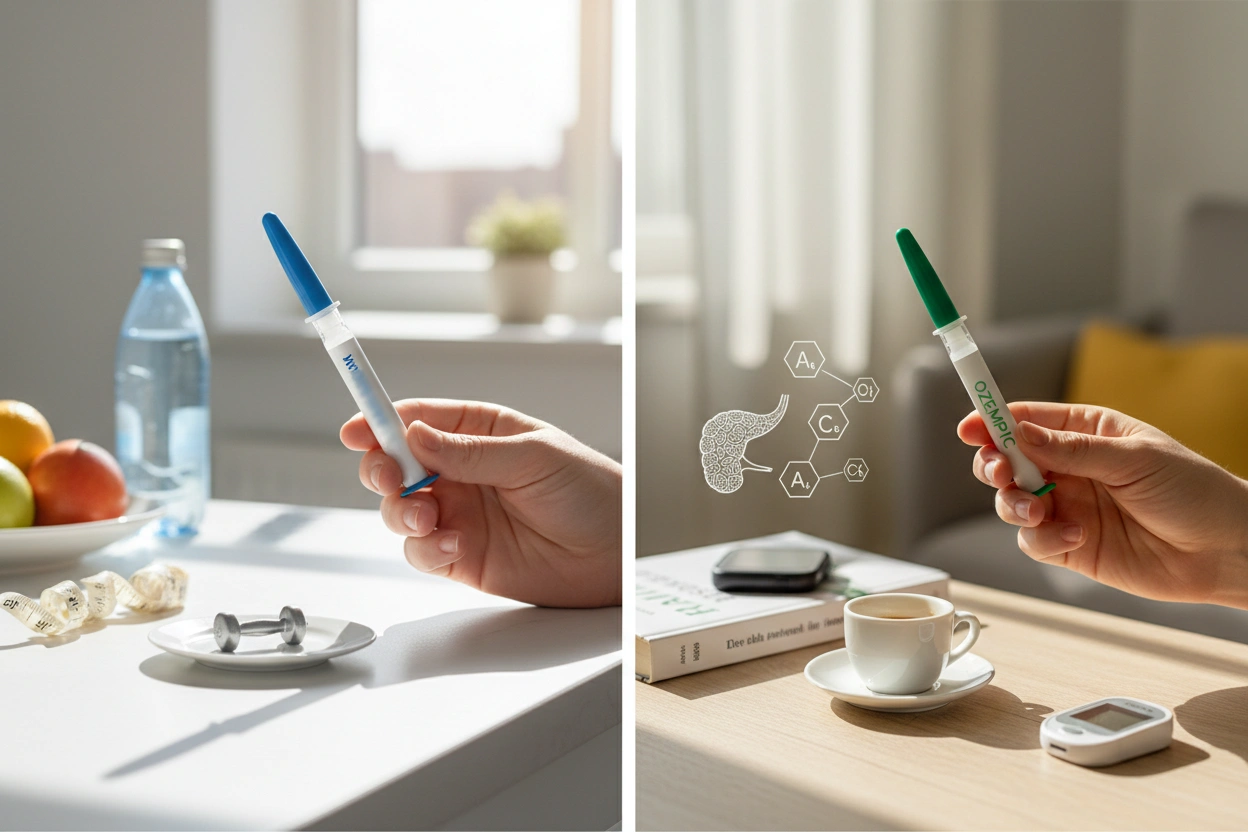
When choosing between Wegovy and Ozempic, it is crucial to understand their differences in dosage, administration, and intended use.
Dosage and Administration
Wegovy:
- Administered once weekly via subcutaneous injection.
- Dosing typically starts at a lower dose to mitigate potential gastrointestinal side effects, gradually increasing to a maintenance dose of 2.4 mg.
Ozempic:
- Also administered once weekly through subcutaneous injection.
- The initial dose is 0.25 mg, which can be increased to 1 mg or 2 mg depending on the patient's response and tolerance.
Indications for Use
Wegovy: Specifically designed for weight management, Wegovy is recommended for adults with a body mass index (BMI) of 30 or higher, or a BMI of 27 or higher with at least one weight-related health condition such as hypertension or dyslipidemia.
Ozempic: Primarily used for blood sugar control in adults with type 2 diabetes, Ozempic can also lead to weight loss but is not officially indicated for obesity treatment.
Side Effects and Considerations
While both medications share similar side effects, including nausea, vomiting, and diarrhea, the intensity and occurrence may vary based on individual patient responses and dosage levels.
- Wegovy: Side effects may be more pronounced due to the higher maintenance dose aimed at weight loss.
- Ozempic: Generally tolerated well at lower doses, but may also lead to gastrointestinal discomfort.
Diet and GLP-1 Medications

Diet plays an essential role in enhancing the effectiveness of GLP-1 medications. Combining these drugs with a healthy, balanced diet can maximize weight loss and improve overall health outcomes. diet plays an essential role.
Recommended Dietary Approaches
Focus on Whole Foods:
- Incorporate plenty of fruits, vegetables, whole grains, and lean proteins into your diet. These foods are nutrient-dense and can help sustain energy levels while promoting satiety.
Portion Control:
- Utilize smaller plates and mindful eating practices to prevent overeating. GLP-1 medications can help reduce appetite, but portion control reinforces the effects.
Limit Processed Foods:
- Reduce the intake of sugary and high-fat processed foods, which can undermine weight loss efforts and negatively impact overall health.
Stay Hydrated:
- Drinking adequate water throughout the day can help manage hunger and support metabolic processes.
Wegovy Weight Loss Tips
For those using Wegovy, the following tips can enhance weight loss results:
- Meal Planning: Plan meals ahead of time to avoid impulse eating and ensure healthy options are readily available.
- Regular Exercise: Incorporate both aerobic and strength-training exercises into your routine to boost metabolism and support weight loss.
- Track Progress: Keep a food diary or use mobile applications to monitor food intake and physical activity. This can help identify patterns and areas for improvement.
Common Misconceptions about GLP-1 Medications
There are several misconceptions surrounding the use of GLP-1 medications that can lead to confusion and misinformation.
Misconception 1: GLP-1 Medications Are Only for Diabetics
While it is true that these medications are primarily prescribed for type 2 diabetes management, their efficacy in weight loss has led to their approval for obesity treatment as well. This dual application highlights their versatility in addressing metabolic health.
Misconception 2: Weight Loss Is Guaranteed
While many patients experience significant weight loss with GLP-1 medications, results can vary widely based on individual factors such as adherence to prescribed dosages, dietary habits, and lifestyle changes. It is essential to approach weight loss as a multifaceted endeavor rather than solely relying on medication.
Misconception 3: Once You Stop Taking Them, Weight Will Not Return
Discontinuing GLP-1 medications without implementing sustainable lifestyle changes can result in weight regain. Long-term success hinges on maintaining a balanced diet and regular physical activity even after stopping the medication.
Making an Informed Choice
When considering Wegovy or Ozempic, it is crucial to consult with a healthcare provider who can tailor recommendations based on individual health needs, weight loss goals, and any pre-existing conditions.
Factors to Consider
- Health Status: Assess any pre-existing conditions that may influence the choice of medication.
- Weight Loss Goals: Determine whether the primary focus is weight management or blood sugar control.
- Side Effects: Discuss potential side effects and how they may impact your daily life.
The Intersection of GLP-1 Medications and Healthy Living
Incorporating GLP-1 medications into a comprehensive health strategy can yield impressive results in managing weight and diabetes. Understanding the differences between Wegovy and Ozempic empowers individuals to make informed decisions that align with their health objectives. digestive health during weight loss.
FlowWell — Finally Feel Good on Your GLP can assist you in navigating the complexities of GLP-1 medications. By providing tailored guidance and resources, we help you implement effective strategies that complement your medication regimen.
To learn more about how we can support your journey with GLP-1 medications, visit FlowWell — Finally Feel Good on Your GLP. Together, we can pave the way to achieving your health and wellness goals.