What Patients Wish They Knew About GLP-1 Medications
Discover the benefits, side effects, and dietary tips for GLP-1 medications in weight management and diabetes treatment.
What Patients Wish They Knew About GLP-1 Medications
The landscape of weight management and diabetes treatment has evolved significantly with the advent of GLP-1 medications. These medications, originally designed for diabetes management, have gained popularity for their weight loss benefits. However, many patients remain unaware of the full spectrum of advantages, potential side effects, and dietary considerations associated with these drugs. This article delves into the essential information surrounding GLP-1 medications, addressing common misconceptions and offering insights that can empower patients in their health journeys.
Understanding GLP-1 Medications
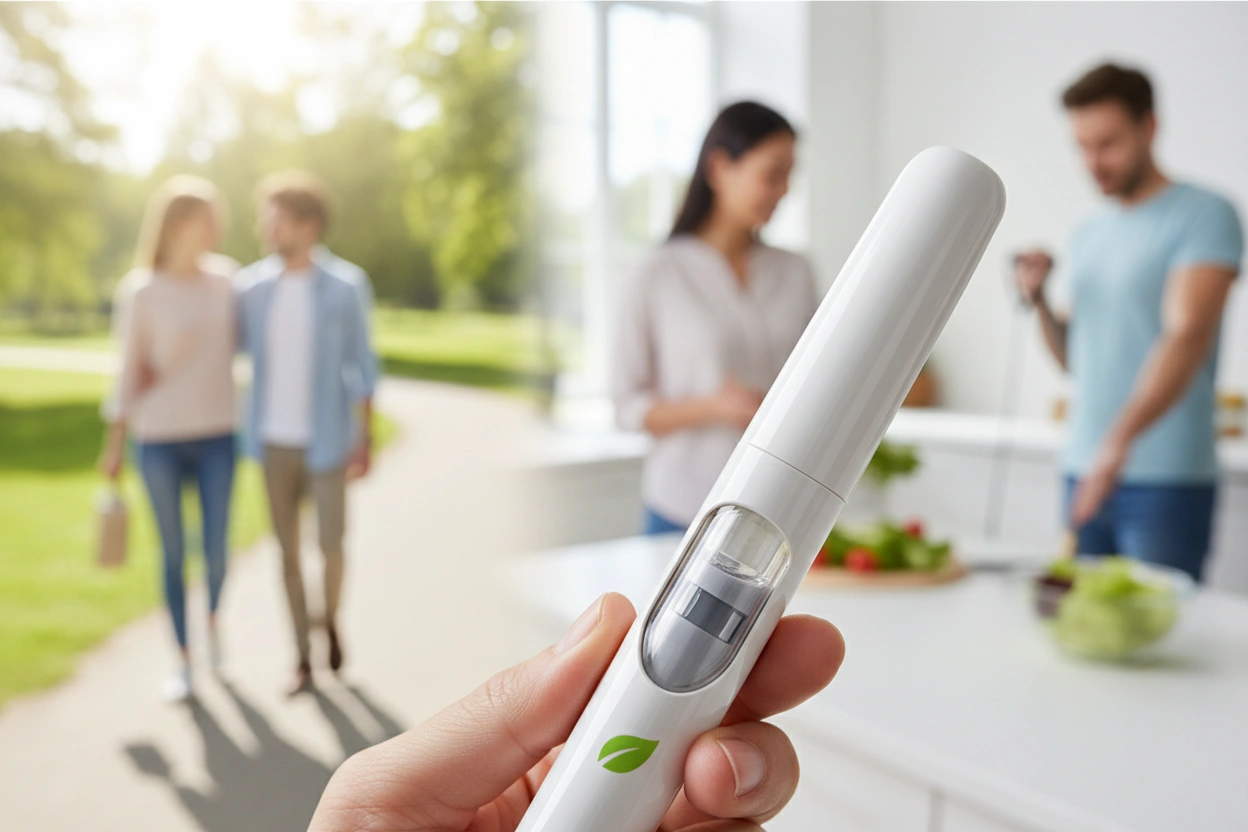
GLP-1 medications, or glucagon-like peptide-1 receptor agonists, mimic the action of the natural hormone GLP-1, which plays a crucial role in glucose metabolism and appetite regulation. By enhancing insulin secretion and inhibiting glucagon release, these medications help lower blood sugar levels and promote satiety, making them effective for both diabetic and non-diabetic patients seeking weight management solutions.
Mechanism of Action
GLP-1 medications work primarily by:
- Stimulating insulin secretion in response to meals
- Slowing gastric emptying, which helps maintain a feeling of fullness
- Reducing appetite by acting on the brain's appetite centers
This multifaceted approach not only aids in controlling blood sugar levels but also supports weight loss, making GLP-1 medications a dual-purpose option for many patients.
Common GLP-1 Medications
Several GLP-1 medications are currently available on the market, each with unique features. Some of the most notable include:
- Semaglutide (Wegovy, Ozempic): Known for its significant weight loss effects, Wegovy is approved specifically for chronic weight management.
- Liraglutide (Saxenda): Another popular choice for weight loss, it is also used for type 2 diabetes under the name Victoza.
- Dulaglutide (Trulicity): Primarily prescribed for diabetes management but can also aid in weight loss.
Understanding the differences between these medications can help patients make informed choices about their treatment options.
Diet and GLP-1 Medications
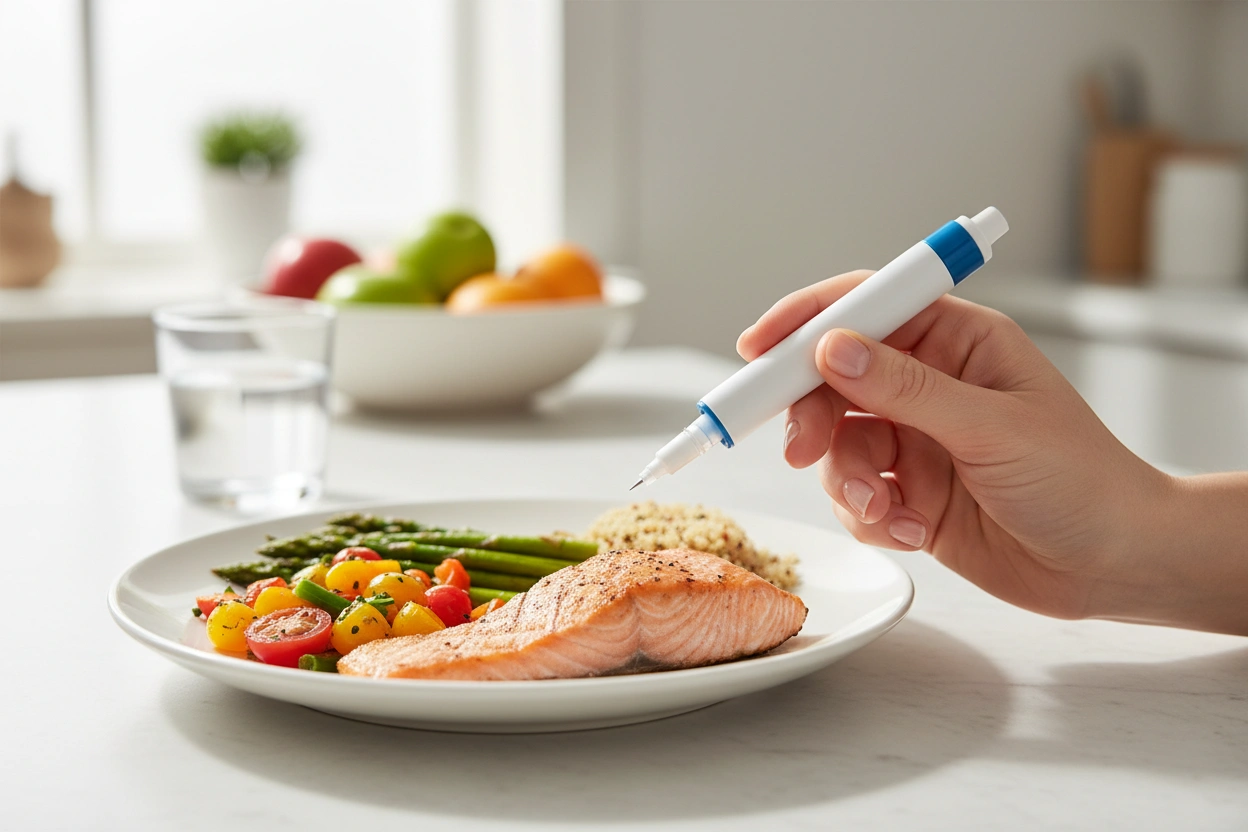
The effectiveness of GLP-1 medications can be significantly influenced by dietary choices. While these medications assist in appetite regulation and weight loss, patients can enhance their outcomes by adopting specific dietary strategies.
Key Dietary Strategies
Prioritize Whole Foods: Focus on incorporating whole, unprocessed foods such as fruits, vegetables, whole grains, lean proteins, and healthy fats. These foods are nutrient-dense and can help maintain satiety while providing essential vitamins and minerals.
Monitor Portion Sizes: Even with the appetite-suppressing effects of GLP-1 medications, portion control remains crucial. Patients should be mindful of serving sizes to avoid overeating.
Limit Sugary and Processed Foods: Reducing intake of high-sugar and highly processed foods can enhance the efficacy of GLP-1 medications, as these foods can lead to spikes in blood sugar and increased cravings.
Stay Hydrated: Drinking plenty of water throughout the day can help manage hunger and improve overall health. Aim for at least eight glasses of water daily, adjusting as necessary for activity levels.
Plan Balanced Meals: Each meal should ideally include a balance of macronutrients—proteins, fats, and carbohydrates—to promote sustained energy levels and prevent hunger pangs.
Common Mistakes to Avoid
Patients often make several dietary mistakes that can hinder the effectiveness of GLP-1 medications:
Skipping Meals: Some patients believe that skipping meals will enhance weight loss. However, this can lead to overeating later and can counteract the appetite-regulating effects of GLP-1 medications.
Ignoring Nutritional Labels: Not paying attention to food labels can result in unintentional consumption of high-calorie, low-nutrient foods. Patients should learn to read labels to make informed choices.
Underestimating Liquid Calories: Beverages can contribute significantly to daily caloric intake. Patients should be cautious with high-calorie drinks, including sugary sodas, alcoholic beverages, and even specialty coffee drinks.
What Patients Wish They Knew

Understanding the nuances of GLP-1 medications can greatly enhance patient outcomes. Here are some insights that many patients wish they had known before starting treatment:
Side Effects and Management
While GLP-1 medications are generally well-tolerated, they can cause side effects such as nausea, vomiting, and gastrointestinal discomfort. To manage these side effects effectively:
Start with a Low Dose: Gradually increasing the dosage can help the body adjust to the medication, minimizing side effects.
Eat Smaller, More Frequent Meals: This approach can help mitigate nausea and improve tolerance of the medication.
Consult Healthcare Providers: Open communication with healthcare providers about side effects can lead to adjustments in dosage or medication type if necessary. patient experiences.
The Importance of Regular Monitoring
Patients often overlook the importance of regular monitoring while on GLP-1 medications. This includes:
Regular Blood Sugar Checks: Monitoring blood sugar levels helps ensure that the medication is working effectively and allows for timely adjustments.
Weight Tracking: Keeping track of weight changes can provide insights into the medication's effectiveness and help motivate patients to stay on track with their dietary and lifestyle modifications.
Routine Medical Check-Ups: Regular appointments with healthcare providers can help address any concerns and ensure that the medication is appropriate for the patient's ongoing health needs.
The Role of Support Networks
Many patients underestimate the value of support networks when starting GLP-1 medications. Engaging with:
Healthcare Professionals: Regular consultations with doctors, dietitians, and diabetes educators can provide essential guidance and support.
Support Groups: Connecting with others who are on similar journeys can foster motivation and accountability.
Family and Friends: Involving loved ones in dietary changes and lifestyle modifications can create a supportive environment that enhances success.
The Intersection of Diet and GLP-1 Medications
The relationship between diet and the effectiveness of GLP-1 medications cannot be overstated. A balanced diet complements the appetite-suppressing effects of these drugs, leading to improved weight loss outcomes and better overall health.
Practical Tips for Combining Diet with GLP-1 Medications
Meal Prep: Preparing meals in advance can help patients stick to their dietary goals, making it easier to avoid unhealthy choices when time is tight.
Use a Food Diary: Keeping track of food intake can increase awareness of eating habits and help identify areas for improvement.
Incorporate Physical Activity: Regular exercise not only supports weight loss but can also enhance the effectiveness of GLP-1 medications.
Mindful Eating Practices: Engaging in mindful eating—focusing on the experience of eating and recognizing hunger cues—can improve satisfaction and prevent overeating.
Moving Forward with GLP-1 Medications
As patients navigate their journey with GLP-1 medications, it is essential to remain informed and proactive. The combination of medication, a balanced diet, and a supportive network can lead to significant improvements in health and well-being.
Embracing Change with FlowWell
Understanding the complexities of GLP-1 medications is vital for patients seeking effective weight management and diabetes control. As you explore the benefits of these medications, consider how FlowWell — Finally Feel Good on Your GLP can assist you on your journey. With the right support, patients can effectively manage their health and achieve their goals.
For more insights and personalized support, visit FlowWell — Finally Feel Good on Your GLP.