When to Seek Help if GLP1 Constipation Doesn't Go Away
Struggling with GLP-1 constipation? Learn when to seek help and find answers to the question: does GLP-1 constipation go away?
When to Seek Help if GLP-1 Constipation Doesn't Go Away
Constipation can be an uncomfortable and distressing experience, particularly for those using GLP-1 receptor agonists for weight management or diabetes control. These medications, while effective in managing blood sugar levels and promoting weight loss, can also lead to gastrointestinal side effects, including constipation. One of the most frequently asked questions is, Does GLP-1 constipation go away? Understanding when to seek help is crucial for maintaining overall health and well-being. This article will explore the nature of GLP-1 constipation, its management, and when it is essential to consult a healthcare professional.
Understanding GLP-1 Receptor Agonists and Constipation

What Are GLP-1 Receptor Agonists?
GLP-1 receptor agonists are a class of medications that mimic the action of the glucagon-like peptide-1 hormone. They play a vital role in managing type 2 diabetes and aiding weight loss. These medications enhance insulin secretion, suppress glucagon release, and slow gastric emptying, which can lead to feelings of fullness. Commonly prescribed GLP-1 receptor agonists include semaglutide and liraglutide.
The Connection Between GLP-1 and Constipation
While GLP-1 receptor agonists offer significant benefits, they can also disrupt the normal functioning of the gastrointestinal tract. The delay in gastric emptying can lead to constipation, which may be mild or severe, depending on the individual. It's essential to recognize that not everyone will experience constipation, but for those who do, the condition can significantly impact quality of life.
Symptoms and Severity of GLP-1 Constipation
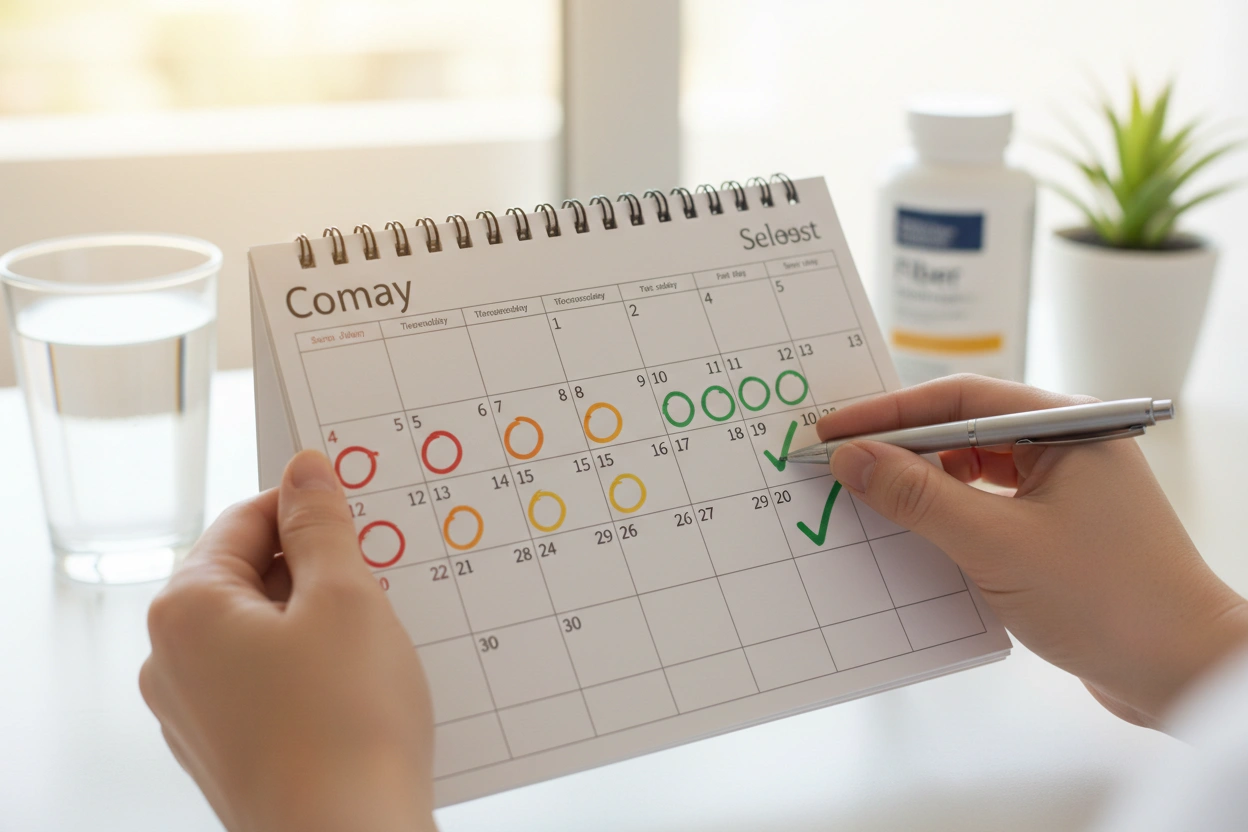
Recognizing the Symptoms
Constipation related to GLP-1 medications may present with various symptoms, including:
- Infrequent bowel movements (fewer than three times per week)
- Hard, dry stools
- Straining during bowel movements
- Abdominal discomfort or bloating
- A feeling of incomplete evacuation after a bowel movement
Assessing Severity
The severity of constipation can vary significantly among individuals. Some may experience mild discomfort, while others may face debilitating symptoms that require intervention. It is essential to assess the situation objectively and consider factors such as the duration of symptoms and the effectiveness of at-home treatments.
When Does GLP-1 Constipation Go Away?

Duration and Expectations
For many individuals, GLP-1 constipation may improve over time as the body adjusts to the medication. However, this is not always the case. Some individuals may find that their symptoms persist despite ongoing treatment. If you are asking, Does GLP-1 constipation go away? it is essential to understand that while some may experience relief, others may require medical assistance to resolve the issue.
Factors Influencing Resolution
Several factors can influence whether GLP-1 constipation resolves on its own, including:
- Duration of constipation
- Dietary habits
- Fluid intake
- Physical activity levels
- Concurrent medications
If constipation persists despite making lifestyle adjustments, it may be time to consult a healthcare professional.
When to Consult a Doctor About GLP-1 Constipation
Warning Signs to Watch For
Consulting a doctor is crucial when constipation becomes severe or chronic. Some warning signs that indicate the need for medical consultation include:
- Symptoms lasting longer than a few weeks
- Severe abdominal pain or cramping
- Blood in stools or rectal bleeding
- Unexplained weight loss
- Symptoms of bowel obstruction, such as severe bloating or vomiting
The Importance of Professional Guidance
Medical professionals can provide valuable insights and treatment options tailored to individual needs. They may recommend alternative medications, dietary changes, or additional therapies to alleviate constipation. tips to restore gut health can prevent complications and improve overall health outcomes.
Managing GLP-1 Constipation at Home
Dietary Adjustments
Making dietary changes can significantly impact bowel health. Consider incorporating the following into your diet: dietary changes can significantly impact bowel health.
- High-fiber foods such as fruits, vegetables, whole grains, and legumes
- Adequate hydration by drinking plenty of water throughout the day
- Probiotic-rich foods like yogurt or fermented products to support gut health
Lifestyle Modifications
In addition to dietary changes, certain lifestyle modifications can help manage constipation:
- Regular physical activity, such as walking or yoga, to promote bowel movements
- Establishing a routine for bowel habits, including setting aside time each day to relax and allow for a bowel movement
- Reducing stress through mindfulness techniques, as stress can exacerbate gastrointestinal issues
Common Misconceptions About GLP-1 Constipation
Misunderstanding the Side Effects
One common misconception is that all individuals taking GLP-1 receptor agonists will experience constipation. While it is a potential side effect, it does not occur universally. Understanding this can help individuals manage their expectations and seek help if they encounter issues.
Believing Over-the-Counter Solutions Are Sufficient
Another misconception is that over-the-counter laxatives will always resolve constipation. While they can provide temporary relief, they do not address the underlying cause. Consulting a healthcare professional for tailored advice is often more effective.
Conclusion: Addressing GLP-1 Constipation with Expert Guidance
In exploring the question, Does GLP-1 constipation go away? it becomes clear that while some individuals may find relief over time, persistent symptoms warrant professional consultation. Understanding when to seek help is crucial in managing your health effectively.
support your health journey is dedicated to providing you with the resources and support you need to navigate the challenges associated with GLP-1 receptor agonists. If you are experiencing ongoing constipation or have concerns about your health, reach out for expert guidance.
Visit FlowWell — Finally Feel Good on Your GLP to learn more about how we can support your health journey and help you feel your best.